
Vandaag of morgen in huis

Kwaliteit gegarandeerd

Welkomstaanbiedingen ontgrendelen: GRATIS bezorging | Tot 80% korting | Gratis 30 dagen JoyPlus-proefperiode
Download de app
The dog snack aisle can be overwhelming. Packaging screams for attention with claims like "natural" or "grain-free". But what do these terms really mean? As a dog owner, you want to make a good choice—a healthy reward for your dog—without falling into marketing traps.
Many owners only realise after purchase that their chosen treats aren't ideal. This is often due to a few common misconceptions:
grain-free dog snacks are a great solution for dogs with allergies, they are not an automatic guarantee of quality. Sometimes, grains are replaced with cheap alternatives like potato starch, without increasing the amount of nutritious meat.Making an informed choice is simpler than it seems. It's about understanding a few basic principles, not sifting through endless reviews.
Before you put a bag of dog treats in your basket, it's wise to check three key elements. This will help you separate marketing claims from facts.
The order of the ingredients is crucial. The ingredient listed first is the most abundant.
Natural dog snacks often contain just a few ingredients.healthy dog reward.Not every snack is suitable for every situation. Tailor your choice to its purpose.
dog training treats, you want something small, flavourful, and relatively low in calories. After all, you'll be giving several during a session. Soft meat snacks for dogs that you can easily break into pieces are ideal for this.dog chew bone is designed to keep your dog occupied and help clean their teeth. These are often harder and last longer. Pay attention to your dog's size to prevent choking hazards.On the packaging, you'll find a table of analytical constituents. This provides an objective view of the nutritional value.
Based on clear product specifications and the diverse needs of dog owners, we have highlighted a few popular choices.
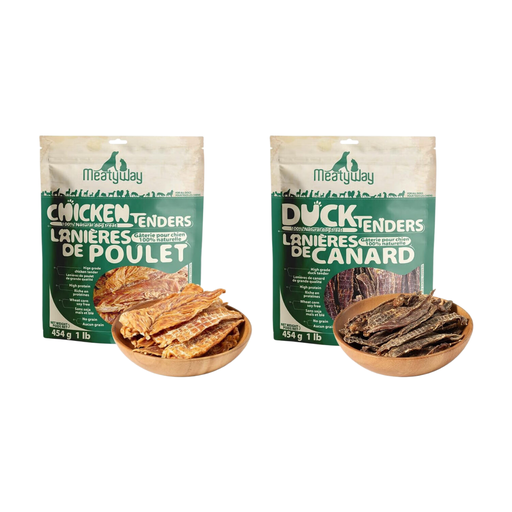
Why This Fits Their Persona: For owners who want to give their dog a pure, protein-rich treat without compromise. Ideal as a healthy reward or a special indulgence.
This snack avoids the vague ingredient trap. The list is extremely short and clear: duck breast and chicken. No fillers, no grains, no artificial additives.
High protein and low fat content. The soft jerky texture is easy to break into smaller portions.
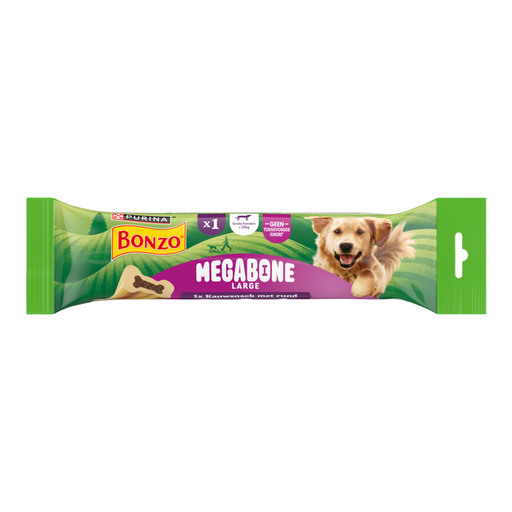
Why This Fits Their Persona: Suitable for owners of larger dogs looking for a sturdy chew that helps combat boredom and supports dental health.
This product isn't marketed as a pure health snack, but as a functional chew. Its purpose is clear: long-lasting chewing enjoyment. The feeding guidelines on the package help prevent overfeeding.
Sturdy, twisted shape for a longer chewing experience. According to the manufacturer, it has a low fat content and contains omega-3 and -6 fatty acids.
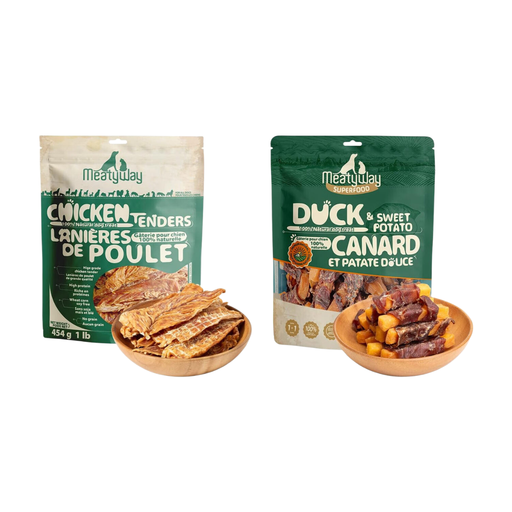
Why This Fits Their Persona: Ideal for dogs with a grain intolerance or for owners who consciously choose a grain-free diet but still want added nutritional value.
This snack tackles the "grain-free myth". It doesn't just remove grains; it adds a functional ingredient with sweet potato, which provides fibre and vitamins, instead of an empty filler.
The combination of real meat (chicken and duck) with sweet potato creates a protein-rich and fibre-rich treat. The formula is free from unnecessary additives.
We've compiled a complete, up-to-date list of products that meet these selection criteria.
A good rule of thumb is the 10% rule: treats should not make up more than 10% of your dog's daily calorie intake. This prevents obesity and ensures your dog still gets enough nutrients from their main meals. The exact amount depends on your dog's size, age, and activity level, as well as the treat itself. Always check the packaging for feeding advice.
Not necessarily. Grain-free snacks are essential for dogs with a diagnosed grain allergy or intolerance. For most dogs, however, grains are not a problem and can be a source of energy. The overall quality of the snack is more important. A snack with high-quality meat and a small amount of whole grains can be more nutritious than a grain-free snack full of potato starch and little meat.
Choose snacks specifically developed for puppies. These are often softer for their developing teeth and tailored to their nutritional needs. Avoid hard chews that could damage their teeth. Dog training treats are ideal for puppies, as they are small and can be given frequently during socialisation and training. Always supervise your puppy when they are having a treat.
