
Vandaag of morgen in huis

Kwaliteit gegarandeerd

Welkomstaanbiedingen ontgrendelen: GRATIS bezorging | Tot 80% korting | Gratis 30 dagen JoyPlus-proefperiode
Download de app
As a dog owner, you love to spoil or reward your four-legged friend. However, the dog snack aisle can be overwhelming. The packaging makes all sorts of promises, but what can you really give your dog with peace of mind? Many owners unwittingly fall for common traps, leading them to buy snacks that aren't ideal for their dog.
Before you make a choice, it's wise to be aware of a few marketing tricks and hidden downsides:
To avoid making a bad purchase, you can pay attention to a few specific details. This will help you see past the marketing and make an informed choice.
The order of ingredients is crucial: what comes first is what’s most abundant.
Not every snack is suitable for every moment. Think about what you want to use the snack for:
To help you get started, we've highlighted a few products that suit different needs and profiles. This selection is based on clear product specifications.

Why This Fits Their Persona: Ideal for owners looking for pure, natural dog snacks with a very short ingredient list. Perfect for dogs with sensitive digestion or if you simply want to know what you're feeding them.
The ingredient list is extremely clear: according to the manufacturer, the product only contains duck and sweet potato. No vague fillers, grains, or artificial additives.
High protein content from a single source (duck dog snacks) and grain-free. The soft texture makes it easy to break into pieces for training.

Why This Fits Their Persona: Suitable for dogs that love a long-lasting chew. This dog chew keeps them occupied while also supporting dental care. This version is specifically for smaller dogs.
This isn't a treat that's gone in one bite. The tough rawhide is designed for extended chewing pleasure, with an appropriate hardness that reduces the risk of dental damage.
The combination of rawhide and chicken strips makes it extra tasty. According to the manufacturer, chewing on the rawhide helps prevent tartar buildup.
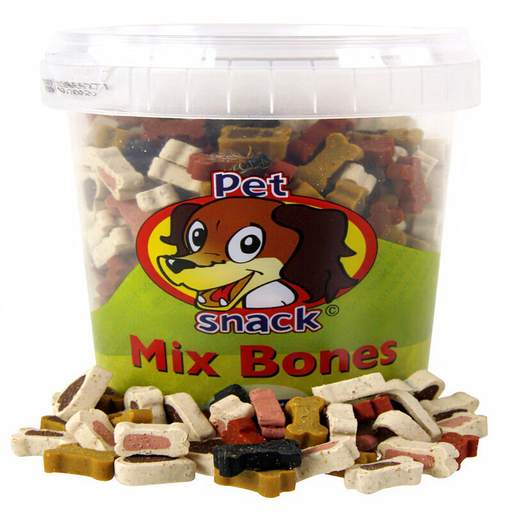
Why This Fits Their Persona: For those who reward frequently during puppy training or obedience classes. These soft dog training treats are practical, and the bulk pack is budget-friendly.
These treats are specifically designed for quick rewards. They are soft and small, so the dog doesn't have to chew for long, keeping the focus on the training session.
The soft texture and variety of flavours keep the dog motivated. The manufacturer states they are also suitable for hiding in dog toys.
We've compiled a complete, up-to-date list of products that meet these selection criteria and current regulations.
A good rule of thumb is that treats should not make up more than 10% of your dog's daily calorie intake. Their main meal should remain the primary source of nutrients. Check the packaging for a feeding guide and adjust the amount based on your dog's size, age, and activity level.
Not necessarily for every dog. Grain-free snacks are a great solution for dogs with a diagnosed grain allergy or intolerance. For most dogs, grains in small amounts are not a problem. A snack with a high meat content and no unnecessary fillers is generally a better indicator of quality than just the "grain-free" label.
Most puppies can start having soft, small training treats from around 8 to 10 weeks of age. Their teeth are still developing, so avoid hard chews and bones. Choose snacks that are specifically developed for puppies or are soft and easy to chew. Always start with small amounts to see how their digestive system reacts.
