
Vandaag of morgen in huis

Kwaliteit gegarandeerd

Welkomstaanbiedingen ontgrendelen: GRATIS bezorging | Tot 80% korting | Gratis 30 dagen JoyPlus-proefperiode
Download de app
As a dog owner, you love spoiling your pet with a tasty treat. But the sheer variety of dog snacks can be overwhelming. Packaging makes all sorts of promises, but what is genuinely a good choice for your four-legged friend? Many owners unknowingly fall into common traps, spending money on snacks that are unsuitable or even unhealthy.
Before you put another bag of dog biscuits in your basket, it's wise to consider a few key points. We've outlined the most common mistakes so you can avoid them.
To see through the marketing fluff, it's best to focus on a few objective specifications. These core points will help you make an informed choice that suits your dog's needs.
The ingredient list is your most important tool. Ingredients are listed in order of weight; the first ingredient is the most abundant.
healthy dog snacks contain no added sugars, artificial colours and flavours, or large amounts of salt.Not every snack serves the same purpose. Think about what you want to use the treat for.
Dog chew sticks with a specific shape and texture can help mechanically clean teeth. The abrasive action during chewing helps reduce plaque. Brands like Pedigree state that their Pedigree Dentastix, when used daily, can significantly reduce tartar formation.training treats are ideal. They are quick to eat, which helps keep the dog's focus on the training.Every dog and owner is different. That's why we've highlighted a few popular choices that fit various needs and budgets, based on their product specifications.
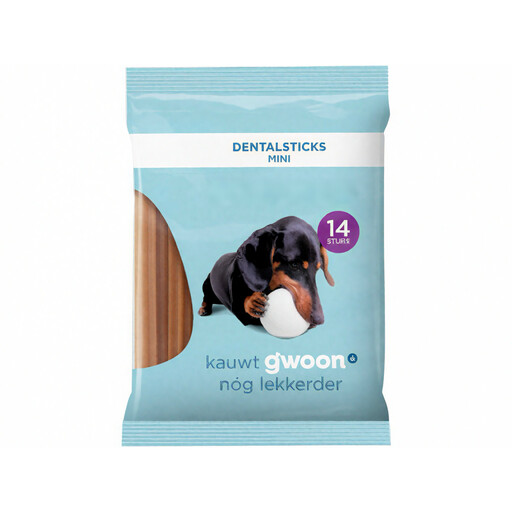
Why This Fits Their Persona: Ideal for owners of small dogs looking for an affordable, daily snack to support dental health without breaking the bank. A no-frills product at a fair price.
This product avoids the 'one-size-fits-all' pitfall by being specifically designed for small dogs. The packaging makes no exaggerated claims, focusing instead on its function: supporting good oral hygiene.
Excellent value for daily use. Specifically sized for small dog breeds.
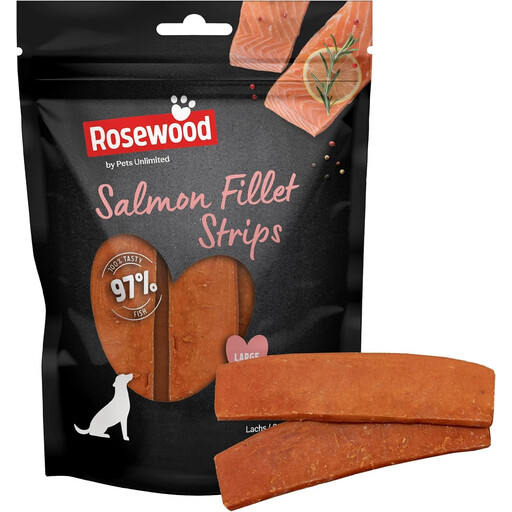
Why This Fits Their Persona: For the owner who scrutinises ingredient lists and opts for pure, protein-rich options. This snack is a responsible treat, ideal for active dogs or as a special indulgence.
This product cuts through the marketing trap of vague claims. The ingredient list is extremely clear and short: the snack contains an impressive 97% salmon. No hidden fillers or ambiguous by-products.
Very high meat content (97% salmon), rich in protein, and low in fat. Free from artificial colours, flavours, and preservatives.
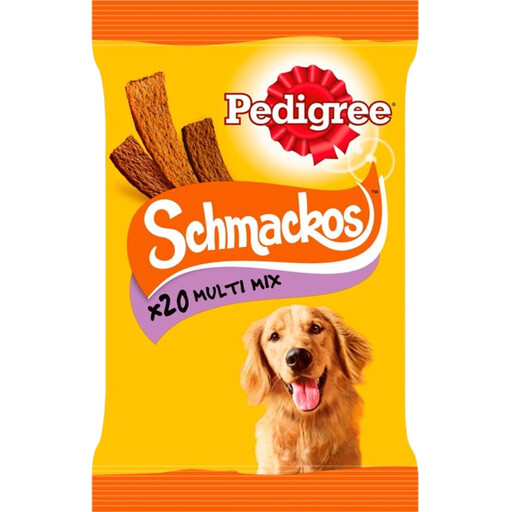
Why This Fits Their Persona: Perfect for owners who actively train their dogs. These soft, flavourful strips (Schmackos) are easy to break into small pieces and have a strong scent that keeps the dog's attention.
This product is honest about its purpose: it's a pure reward, not a health snack. The packaging provides clear feeding guidelines based on the dog's size, so you know exactly how much to give without unbalancing their diet.
Soft texture, easy to portion for training purposes. Strong meat flavour and scent that dogs find appealing.
We've compiled a complete, up-to-date list of products that fully meet these strict selection criteria and local regulations.
The general guideline is that snacks should not make up more than 10% of your dog's total daily calorie intake. This is important to prevent obesity. Always check the packaging for the manufacturer's specific feeding advice and adjust your dog's main meal accordingly if you give a lot of treats.
This largely depends on the type of snack. Many harder dog chew sticks are only suitable for puppies from 4 to 9 months old, once their adult teeth have come in. For younger puppies, there are special, softer puppy snacks available that are tailored to their milk teeth and digestive system. Always read the age recommendation on the packaging.
Not necessarily for every dog. Grain-free snacks are an excellent choice for dogs with a diagnosed grain allergy or sensitivity. For most dogs, however, grains in moderation are a perfectly good source of energy and fibre. The overall quality of the ingredients, such as a high meat content and the absence of artificial additives, is often a more important factor to consider.
