
Vandaag of morgen in huis

Kwaliteit gegarandeerd

Welkomstaanbiedingen ontgrendelen: GRATIS bezorging | Tot 80% korting | Gratis 30 dagen JoyPlus-proefperiode
Download de app
The dog snack aisle can be overwhelming. The packaging makes all sorts of promises, but what can you actually give your dog with peace of mind? As a Product Recommendation Officer at Joybuy, I see the challenges pet owners face every day. Many snacks look appealing but hide pitfalls that are not only a waste of money but can also be unsuitable for your dog. Let's cut through the marketing jargon and see what you really need to look for.
The most common mistakes when choosing dog snacks are:
To avoid a bad purchase, it's helpful to follow three basic principles. These will help you quickly assess the quality of dog treats, regardless of the brand or price.
The ingredient list is your most important tool. Ingredients are listed in order of weight; whatever is at the top is the most abundant.
Not every snack serves the same purpose. Ask yourself what you want to use the treat for.
Your dog's safety is paramount. A hard snack that is too small can be swallowed whole and cause choking. A snack that is too large or hard can damage teeth, especially in puppies or senior dogs. The rule is simple: the snack should be large enough that the dog has to chew it, but not so hard that it could break their teeth. Always supervise your dog when giving a new chew snack.
To help you get started, we've highlighted a few options that suit different needs and budgets, based on their product specifications.
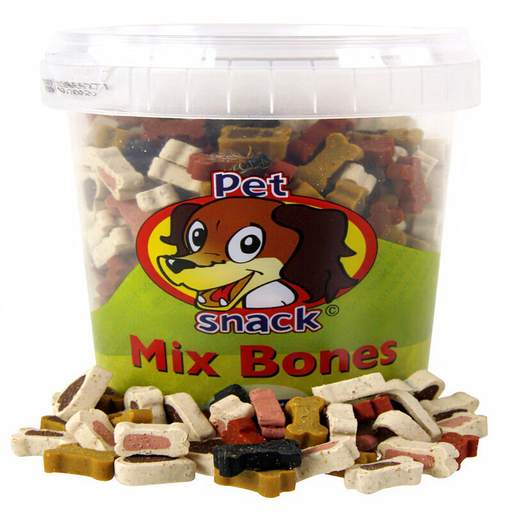
Why This Fits Their Persona: Ideal for owners who need a lot of small dog training treats for puppy classes or daily training. The bulk packaging makes it a very economical choice for frequent use.
This product is transparent about its ingredients (grains and sugar). It doesn't pretend to be a premium health snack. You get a large quantity for a low price, which avoids the pitfall of expensive, small bags with similar fillers.
Very large quantity (12x500g) for a competitive price. The soft texture is perfect for quick rewards during training.
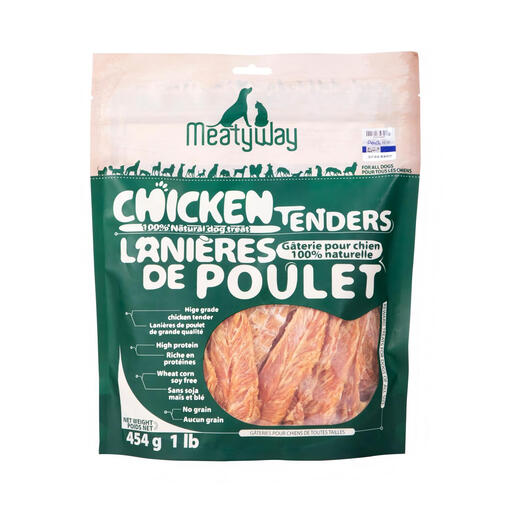
Why This Fits Their Persona: Perfect for owners who prioritise healthy dog snacks with a simple, recognisable ingredient list. Suitable for dogs with sensitive stomachs or if you just want to know exactly what you're feeding them.
This snack completely bypasses the "natural" trap. The ingredient list is as short as it gets: chicken. No hidden fillers, grains, or sugars. These are pure natural dog snacks.
High protein content (min. 30%) and grain-free. The soft jerky texture is easy to break into smaller pieces for smaller dogs or as a training treat.

Why This Fits Their Persona: Suitable for owners of smaller dogs looking for a durable dog chew snack. It helps combat boredom while supporting dental care.
This is more than a quick treat; it's a functional snack. It avoids the pitfall of snacks that are gone in a minute. The combination of rawhide and chicken offers long-lasting chewing satisfaction and a clear function: dental cleaning.
The manufacturer states that chewing on the rawhide helps prevent tartar buildup. The snack is grain-free and provides long-lasting occupation for your dog.
We have compiled a complete, up-to-date list of products that meet these selection criteria and comply with current regulations.
A good rule of thumb is that snacks should not make up more than 10% of your dog's daily calorie intake. This is a general guideline. Always check the feeding advice on the packaging and adjust your dog's main meal slightly if necessary. The exact amount depends on your dog's size, age, and activity level.
Not for every dog. Grain-free dog snacks are an excellent choice for dogs with a diagnosed grain allergy or sensitivity. However, for most dogs, good quality grains in limited amounts are perfectly digestible. It's more important to look at the overall quality of the ingredients and whether meat or fish is the main ingredient, rather than fixating on "grain-free."
Puppies can have snacks from a fairly young age, usually from 8 to 10 weeks old. However, it is crucial to choose snacks specifically developed for puppies. These are often softer and smaller, tailored to their milk teeth and digestive system. Avoid hard chew snacks until their adult teeth have fully come in. Always check the label for the recommended age and provide supervision.
