
Vandaag of morgen in huis

Kwaliteit gegarandeerd

Welkomstaanbiedingen ontgrendelen: GRATIS bezorging | Tot 80% korting | Gratis 30 dagen JoyPlus-proefperiode
Download de app
As a dog owner, you love to spoil or reward your four-legged friend. But the vast selection of dog snacks can be overwhelming. Packaging makes all sorts of promises, but what are you really buying? Many owners unknowingly fall into common traps, wasting money on snacks that are unsuitable or packed with unnecessary additives.
Before you fill your shopping cart, it's wise to consider a few key points. We'll outline the most common missteps and provide you with practical advice to make the right choice.
You don't need to be a nutritionist to avoid these pitfalls. By paying attention to a few core principles, you can make a much better choice for your dog.
The ingredient list is your most important tool. Ingredients are listed in order of quantity. Is meat (like chicken, beef, or lamb) listed first? That's a good sign. Be wary of vague descriptions like "meat and animal derivatives" without specification, or if grains and sugars are at the top of the list. If you're specifically looking for grain-free dog snacks, check that they don't contain wheat, corn, or rice. Natural dog snacks typically have a short, understandable ingredient list.
Consider what you'll be using the snack for. We can broadly divide them into three categories:
A Jack Russell has a different chewing power and needs than a Great Dane. Pay attention to the recommendations on the packaging. Don't give small dogs snacks that are too large or hard to prevent choking hazards. For puppies, there are special, softer snacks suitable for their puppy teeth.
To help you get started, we've highlighted some popular choices and matched them to specific needs.
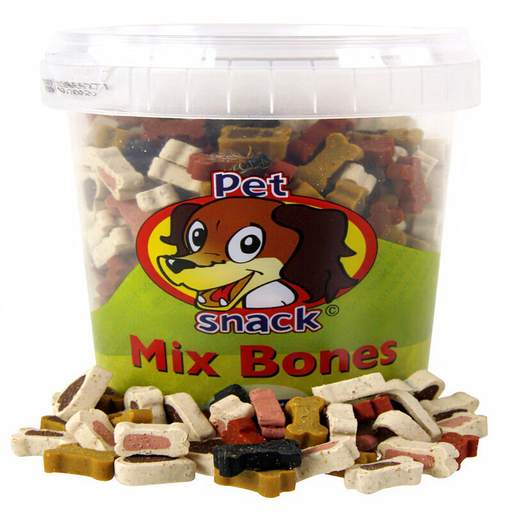
Why This Fits Their Persona: Ideal for owners who train daily and need a lot of small rewards. This value pack ensures you have a large supply without constantly buying new bags. The soft texture makes them perfect as a quick reward.
This product tackles the 'wrong snack for the wrong moment' pitfall. They are specifically soft, small treats intended for training, and the bulk packaging is economically smart for frequent use.
Large value pack (12x500g) for a competitive price. Soft treats in various flavours, suitable for all dog breeds and ages.
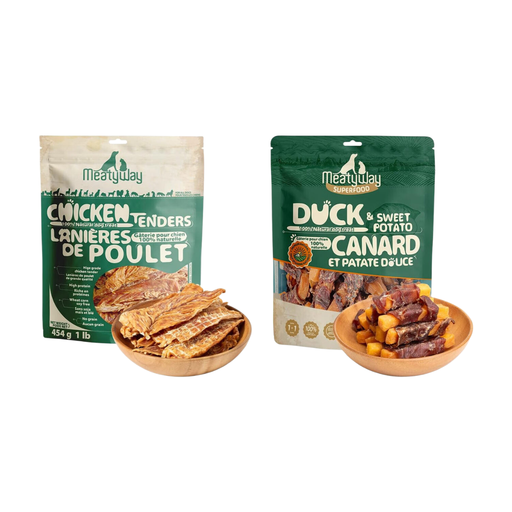
Why This Fits Their Persona: For owners who meticulously study the ingredient list. These snacks are made with real meat as the main ingredient, supplemented with sweet potato. They are grain-free and contain no artificial additives.
This snack bypasses the 'hidden fillers' pitfall. The ingredient list is short and clear: chicken, duck, and sweet potato. No grains, no sugar, no vague descriptions.
High in protein and low in fat. The jerky texture is soft enough to break into pieces for training, but also substantial enough for an indulgent treat.
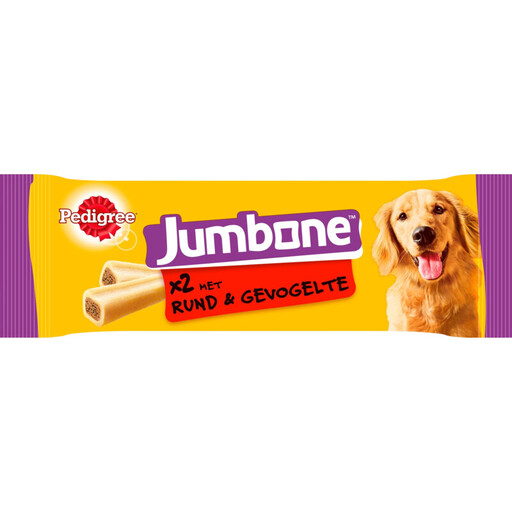
Why This Fits Their Persona: For dogs that love to chew. The Pedigree Jumbone is a well-known chew snack specially designed to last longer. The outside is crunchy and the inside has a soft, meaty filling, which makes chewing extra interesting.
This is a clearly positioned chew snack, not a training reward. It prevents the mistake of buying a snack that's gone in seconds when you were looking for a long-lasting activity for your dog.
Satisfies the natural chewing instinct and helps combat boredom. According to the manufacturer, Pedigree, the snack is enriched with omega-3 and vitamins and contains no artificial colours.
We have compiled a complete, up-to-date list of products that meet these selection criteria. Find the perfect snack for your dog, from dog biscuits to chew sticks.
A good rule of thumb is that snacks should not make up more than 10% of your dog's daily caloric intake. The main meal remains the most important source of nutrients. Always check the packaging for specific feeding advice and adjust the amount of main food if you give a lot of snacks.
Not necessarily. Grain-free is primarily important for dogs with a diagnosed grain allergy or intolerance. Most dogs can digest grains just fine. The focus on "grain-free" is sometimes a marketing angle. More important is the overall quality of the ingredients: a snack with high-quality grains can be better than a grain-free snack full of potato starch and other fillers.
Most manufacturers recommend waiting to give snacks until a puppy is at least 3 to 4 months old. Their digestive system is better developed by then. Always choose special puppy snacks. These are smaller, softer, and tailored to their nutritional needs and teeth. Avoid hard chew snacks until their adult teeth have come in.
