
Vandaag of morgen in huis

Kwaliteit gegarandeerd

Welkomstaanbiedingen ontgrendelen: GRATIS bezorging | Tot 80% korting | Gratis 30 dagen JoyPlus-proefperiode
Download de app
As a Product Recommendation Officer at Joybuy, I see the vast selection of dog snacks available every day. The shelves are packed, and the online options are endless. But how do you choose the right treat for your dog without falling into the usual traps? Many packages make big promises, but not every snack is what it seems. This guide will help you see through the marketing jargon and make an informed choice.
Before you put a bag of dog treats in your basket, it's wise to be aware of a few common deceptions.
You don't need to be a nutritionist to make a good choice. By paying attention to the following three points, you'll be well on your way.
Always look beyond the front of the package. A clear ingredient list is your most important tool.
Not every snack serves the same purpose. Consider what you want to use the treat for.
Choose a snack that matches your dog's size and chewing strength. A snack that is too small can be a choking hazard for a large dog, while a snack that is too hard can damage the teeth of a small or older dog. The feeding advice on the packaging often provides a good guideline for this.
To help you get started, we've highlighted some popular choices and matched them to the different needs of owners and dogs.
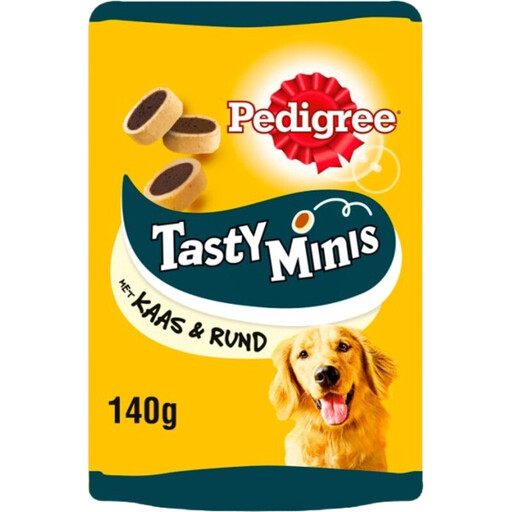
Why This Fits Their Persona: Ideal for owners who train frequently. These small, soft bites are perfect as a quick reward that doesn't interrupt the training flow. The resealable packaging keeps the treats fresh, even on the go.
This product is specifically designed as a training snack. The packaging provides clear feeding advice per weight class, helping you avoid the "one-size-fits-all" pitfall and adjust the portion size.
Small and soft, easy to portion. The cheese flavour is an attractive reward for many dogs.
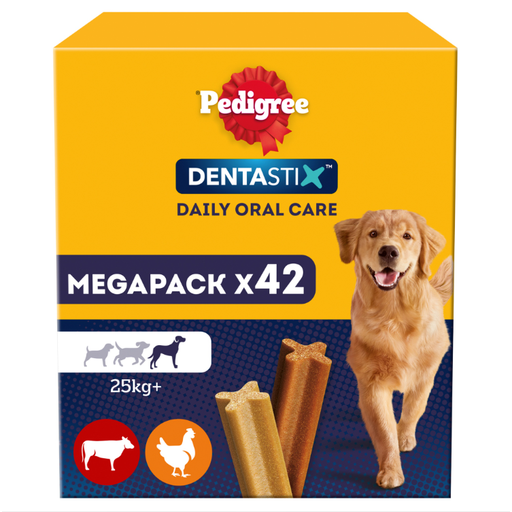
Why This Fits Their Persona: For owners who take their dog's dental care seriously. These sticks are a fixed part of the daily routine, combining a treat with a functional purpose.
This is not a vague "healthy" snack. According to Pedigree, the unique X-shape and texture are scientifically proven to help reduce tartar build-up by up to 80%. The claim is specific and functional.
Specifically designed for daily dental care. Contains no added sugars and is low in fat.
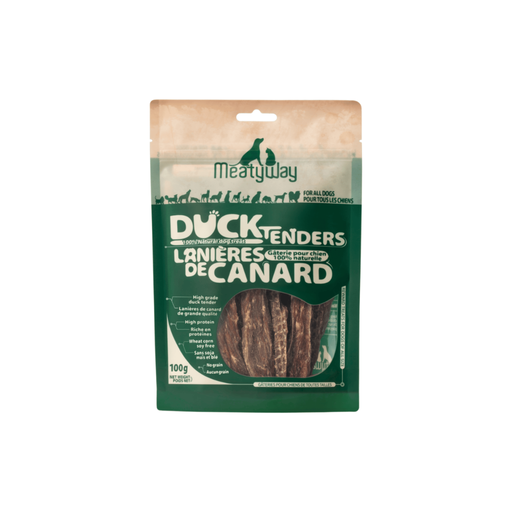
Why This Fits Their Persona: Perfect for the owner who wants to know exactly what's in the snack. Suitable for dogs with allergies or a sensitive stomach, or for owners who want to give the most natural snack possible.
This snack completely bypasses the "with meat" trap. The ingredient list is as short as it gets: 100% duck. No hidden grains, sugars, or fillers. This is a prime example of a transparent, natural dog snack.
Consists of a single ingredient. Rich in protein, grain-free, and without artificial additives.
We've compiled a complete, up-to-date list of products that meet these selection criteria and current regulations.
A good rule of thumb is that snacks should not make up more than 10% of your dog's daily calorie intake. The exact amount depends on your dog's size, weight, age, and activity level, and of course, on the snack itself. The feeding guidelines on the packaging provide a good starting point. You may need to slightly adjust your dog's main meal if you give a lot of snacks.
Not necessarily. Grain-free dog snacks are a great solution for dogs with a diagnosed grain allergy or intolerance. For most dogs, however, grains in limited quantities are not a problem. The focus should be more on the overall quality of the ingredients. A snack with high-quality grains can be better than a grain-free snack full of sugar or ambiguous fillers.
Most manufacturers recommend waiting to give snacks until a puppy is at least 3 to 4 months old. Their digestive system is more developed by then. Start with small, soft training treats made specifically for puppies. Avoid hard chew snacks until their adult teeth have fully come in to prevent damage.
With this information, you can approach the snack aisle with more confidence. By critically examining the ingredients, purpose, and size, you can ensure you choose a treat that is not only delicious but also appropriate for your loyal four-legged friend.
Joybuy Product Recommendation Officer
