
Vandaag of morgen in huis

Kwaliteit gegarandeerd

Welkomstaanbiedingen ontgrendelen: GRATIS bezorging | Tot 80% korting | Gratis 30 dagen JoyPlus-proefperiode
Download de app
As a Joybuy Product Recommendation Officer, I see the sheer variety of dog snacks available every day. The shelves are lined with promises of happy, healthy dogs. But how do you choose the right treat without falling into common marketing traps? Many owners unknowingly overspend on snacks that aren't suitable for their dogs. Let's look at the most common pitfalls.
By understanding these points, you can make a more targeted choice that truly suits your dog and your budget.
Before you add a bag of snacks to your cart, it's wise to check three key points. This will help you make an informed decision that goes beyond the packaging.
Not all snacks are created equal. Consider what you'll be using the treat for:
The ingredient list is ordered by quantity. The first ingredient listed is the most abundant.
This is crucial for safety. A treat that's too large can be frustrating for a small dog, while one that's too small poses a choking hazard for a large dog. Most packaging provides a clear indication of the appropriate dog size (small, medium, large). Always supervise your dog when they are given a new or hard chew.
To help you get started, we've matched some popular choices to the different needs of pet owners.
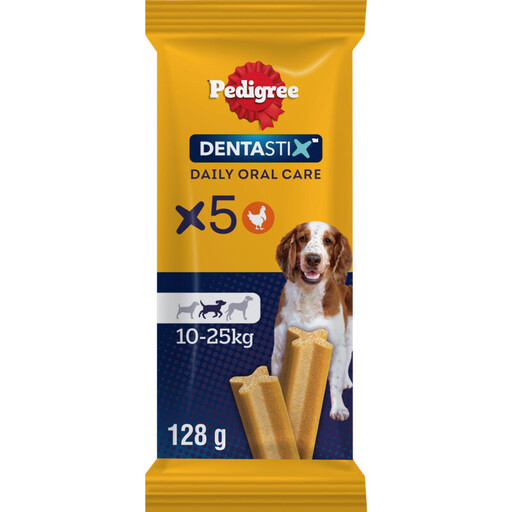
Why This Fits Their Persona: This is a no-nonsense choice for owners seeking an affordable and functional daily snack for their medium-sized dog's dental care. It's a well-known and trusted product.
The product is specifically designed for medium-sized dogs, avoiding the 'one-size-fits-all' pitfall. Its purpose is clear: daily dental care, without pretending to be a 'gourmet' snack.
According to Pedigree, daily use can reduce tartar buildup by up to 80%. The snack is low in fat and contains no added sugars.
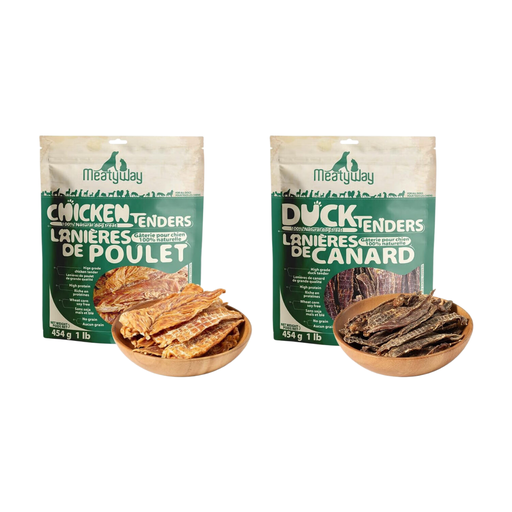
Why This Fits Their Persona: Perfect for owners who want to know exactly what their dog is eating. This snack is made with real meat, is grain-free, and contains no artificial additives, making it a popular choice for those seeking healthy dog snacks.
This snack tackles the pitfall of vague ingredients. The list is short and clear: duck breast and chicken. This is more transparent than a generic 'natural' claim and is ideal for dogs with sensitive stomachs.
High in protein and low in fat. Its soft texture makes it easy to break into smaller pieces, making it highly suitable as dog training treats.
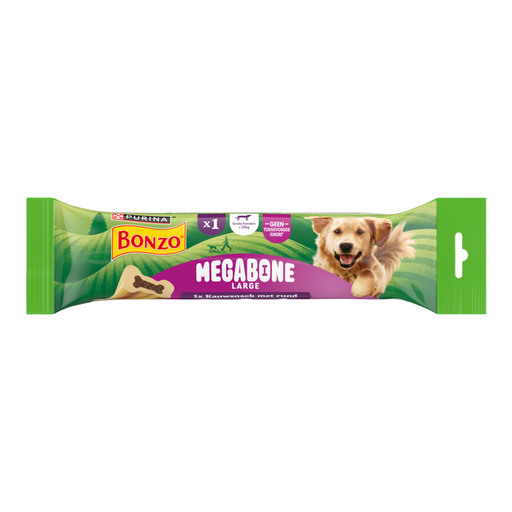
Why This Fits Their Persona: For dogs that love a challenge. This large, sturdy dog chew is designed to last longer and satisfy dogs with a strong need to chew.
The product is clearly positioned as a large chew, not a small training treat. This prevents you from buying an unsuitable type of snack for your intended purpose.
The twisted shape with a beef-flavoured filling makes it extra appealing. The product contains omega-3 and -6 fatty acids and is low in fat.
We have compiled a complete, up-to-date list of products that meet these selection criteria and local regulations.
A good rule of thumb is that snacks should not make up more than 10% of your dog's daily calorie intake. Their main meal should remain the primary source of nutrients. Adjust the amount of their main food if you give a lot of treats. The feeding guidelines on the packaging often provide a good starting point.
Not necessarily. Grain-free dog snacks are an excellent choice for dogs with a diagnosed grain allergy or sensitivity. For most dogs, however, grains are a perfectly good source of energy and nutrients. The choice depends on your dog's individual needs and tolerances.
This varies by snack. Many products are suitable for puppies from 3 or 4 months old, but this is always stated on the packaging. Start with soft, small treats made specifically for puppies. Avoid very hard chews until their adult teeth are fully developed to prevent damage.
