
Vandaag of morgen in huis

Kwaliteit gegarandeerd

Welkomstaanbiedingen ontgrendelen: GRATIS bezorging | Tot 80% korting | Gratis 30 dagen JoyPlus-proefperiode
Download de app
The dog snack aisle can be overwhelming. Packaging promises everything from sparkling teeth to a happy dog. But how do you know which treat is truly right for your four-legged friend? Many owners unknowingly fall into common traps, spending money on snacks that don't deliver on their promises or are even unsuitable.
As a Joybuy Product Recommendation Officer, I'm here to help you cut through the marketing jargon. We'll look at what really matters so you can make an informed choice. Let's examine the three most common missteps when buying dog snacks.
Pitfall 1: The Vague Promise of "Natural" The term "natural" is not legally protected for pet food. A snack can be labelled as natural dog snacks but still contain unwanted fillers, sugars, or a low percentage of meat. The focus is often on what's not in it (like artificial colours), while what is in it remains unclear.
Pitfall 2: The "One-Size-Fits-All" Chew Stick A dog chew snack that works for a Jack Russell isn't necessarily suitable for a Great Dane. The size, shape, and hardness of dental care dog snacks are crucial. A snack that's too small can pose a choking hazard for a large dog, while one that's too hard can damage the teeth of a small or senior dog.
Pitfall 3: The Calorie Bomb Reward Small dog training treats or reward snacks for dogs seem harmless, but the calories can add up quickly. Many soft, tasty snacks contain more fat and sugar than you might think, which can contribute to obesity if you're not careful.
To avoid these pitfalls, it's helpful to know what to look for. By checking three key points, you can make a much better choice.
The ingredients on a package are always listed in order of weight.
grain-free dog snacks can be a great solution.Not every snack serves the same purpose. Match the texture to the occasion.
dog chew snacks that massage the gums and help remove plaque through abrasive action. The shape can also play a role here.Soft dog snacks that you can easily break into small pieces are ideal. Your dog can eat them quickly without getting distracted.The right size is essential for safety and effectiveness.
Based on these criteria, we've highlighted several products that suit the different needs of dog owners.

Why This Fits Their Persona: This product is specifically aimed at owners who prioritise daily dental care for their small dog (5-10 kg). It's a practical, daily supplement to their diet.
This product bypasses the "one-size-fits-all" trap by offering a specific variant for small dogs. The size and texture are tailored to their jaws.
According to the manufacturer, Pedigree, daily use can reduce tartar buildup by up to 80%. The snack is sugar-free, low in fat, and contains no artificial colours or flavours.
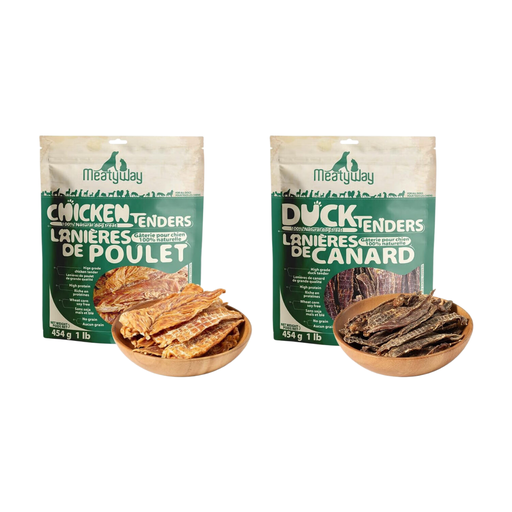
Why This Fits Their Persona: Ideal for owners looking for a high-protein, grain-free snack with a very short and clear ingredient list. Suitable as healthy dog snacks for conscious eaters.
This snack tackles the "natural" trap with maximum transparency. The ingredients are simply duck breast and chicken. No fillers, no grains, no artificial additives.
Made from 100% real meat, ensuring a high protein and low-fat content. The soft jerky texture is easy to break into pieces for training.
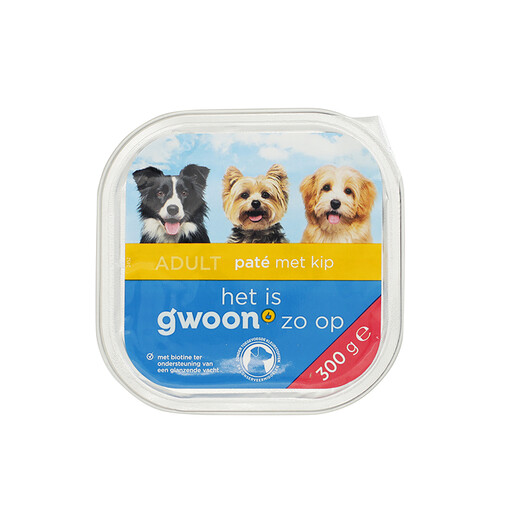
Why This Fits Their Persona: An excellent choice for those looking for a soft, tasty reward during training sessions. Also very suitable for senior dogs or dogs that have difficulty with hard snacks.
This snack helps manage the "calorie bomb" pitfall. The soft p?té texture allows you to give very small amounts as a reward, keeping calorie intake low during a training session.
The soft texture is easy to eat and digest. Made with real chicken meat as a base and free from artificial colours and flavours.
We have compiled a complete, up-to-date list of products that meet these selection criteria and current regulations.
A good rule of thumb is that snacks and treats should not make up more than 10% of your dog's daily calorie intake. This is a general guideline. Always consult the feeding advice on the snack's packaging and adjust your dog's main meal accordingly.
Not for every dog. Grain-free dog snacks are an excellent choice for dogs with a diagnosed grain allergy or sensitivity. For most dogs that have no issues with grains, a snack with high-quality grains in limited amounts is not harmful. It's more about the overall quality and balance of the ingredients than completely avoiding one ingredient group.
This varies by product. Many snacks are suitable for puppies from 3 or 4 months old, but it's crucial to always check the packaging. Start with soft dog snacks specifically developed for puppies. Their teeth are still developing, and snacks that are too hard can cause damage. Never give snacks intended for adult dogs to a very young puppy.
