
Vandaag of morgen in huis

Kwaliteit gegarandeerd

Welkomstaanbiedingen ontgrendelen: GRATIS bezorging | Tot 80% korting | Gratis 30 dagen JoyPlus-proefperiode
Download de app
A dog seat belt may seem like a simple product at first: clip the strap to your dog’s harness and to the car’s fastening point. In practice, models vary considerably in length, fastening type, material and ease of use. The wrong choice could mean a strap that doesn’t fit your car, doesn’t give your dog enough room to move or isn’t suitable for dogs at all.
These three pitfalls come up regularly:
A dog seat belt needs to fit securely at both ends. The car end is usually a seat belt clip or a fitting for an easy-clip system. At the dog’s end, you attach a metal hook to a harness.
Before you buy, check:
A dog seat belt with a safety buckle sounds appealing, but look beyond the name. The quality of the metal, the width of the strap and the way the buckle fastens matter more than a general claim on the packaging.
An adjustable dog seat belt should give your dog enough room to sit or lie down comfortably, but shouldn’t be so long that they can move around the car. Measure the distance between the fastening point and the spot where your dog normally sits.
According to the product specifications, the Oxerbog belt can be adjusted from 47 to 70 cm. It has a 2.5 cm-wide nylon strap. This makes it possible to adjust the length to suit different seats and dog sizes. The right setting will still depend on your car, your dog’s harness and their sitting position.
Nylon is lightweight and commonly used for dog leads and car fittings. Look for:
According to Oxerbog’s product information, the belt has reflective stitching. This can make it easier to see in low light, but it doesn’t replace lighting or a reflective dog harness.
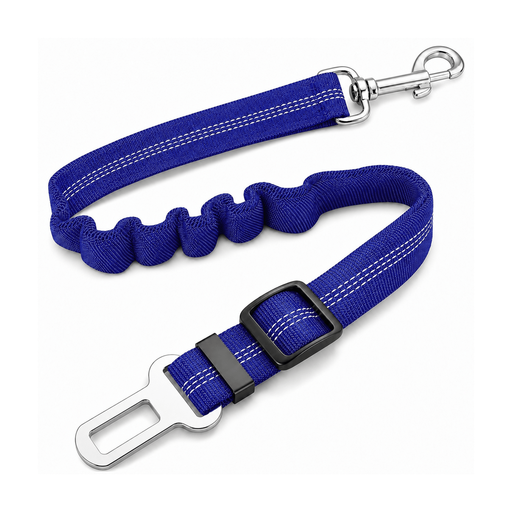
Why it suits this profile: This adjustable dog seat belt is designed for everyday journeys, trips to the vet and longer car journeys. It adjusts from 47 to 70 cm and is designed to fit easy-clip seat belt fastenings.
The adjustable length means you don’t have to rely on a fixed size. Follow the manufacturer’s warning and use the belt with a dog harness, not around your dog’s neck alone.
2.5 cm nylon strap, 360° swivel hook, elastic middle section and reflective stitching, according to the product specifications.
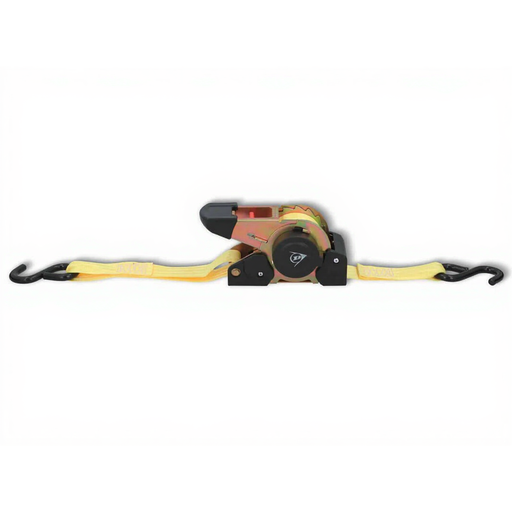
Why it suits this profile: This isn’t a dog seat belt, but a tie-down strap for heavy loads. It’s a good option for drivers who want to secure luggage, a crate or other items in a trailer or load space as well as travelling with their dog.
Its stated load capacity and strap width make it clear how it differs from a dog seat belt. Don’t use this strap to secure a dog.
38 mm-wide nylon strap, 4 metres long, ratchet mechanism and a stated load capacity of 500 kg.
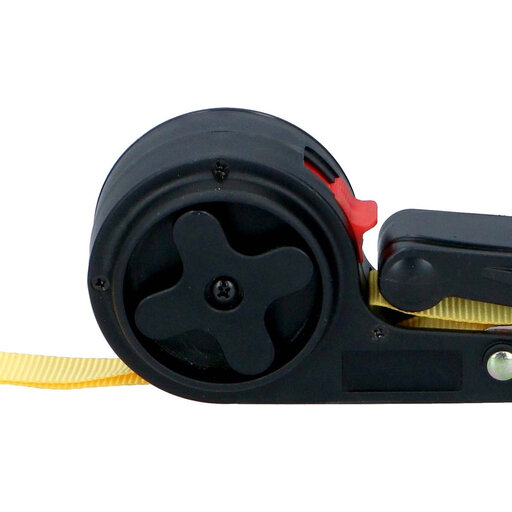
Why it suits this profile: For transporting boxes, furniture or luggage regularly, this strap offers a separate solution to a dog seat belt. It isn’t designed to secure a dog in a car.
Making its intended use clear helps prevent a load strap from being mistaken for a dog seat belt with a safety buckle.
4 metres long, nylon material, ratchet mechanism, automatic retraction function and a stated load capacity of 250 kg.
We’ve put together a complete, up-to-date list of products that meet these strict selection criteria and the applicable European safety regulations.
It’s a good idea to stop regularly on longer car journeys. Never leave your dog alone in a parked car. Check the strap and metal parts for fraying, rust, distortion or a hook that doesn’t close properly. According to Oxerbog’s product information, the nylon strap shouldn’t be exposed to direct sunlight for long periods, and cleaning it with a damp cloth is recommended.
There isn’t one prescribed type of dog seat belt for every situation. However, the driver must be able to operate the car safely, and an animal must not cause a dangerous distraction. A well-fitting dog seat belt or another suitable travel solution can help keep your dog in place. You should also check the current traffic rules and your vehicle’s instructions.
This isn’t recommended. Use the car belt for your dog with a sturdy harness that’s suitable for attaching to a seat belt. Oxerbog’s product information also recommends using the belt with a harness and says it shouldn’t be used around the neck alone.
Its lifespan depends on how it’s used, your dog’s size, pulling, sunlight and maintenance. Replace the belt as soon as you notice fraying, damaged stitching, bent metal parts or a fastening that no longer clicks securely into place. According to the manufacturer, the elastic section is designed to cushion the connection during sudden braking, not to withstand constant strong pulling from large dogs.
