
Vandaag of morgen in huis

Kwaliteit gegarandeerd

Welkomstaanbiedingen ontgrendelen: GRATIS bezorging | Tot 80% korting | Gratis 30 dagen JoyPlus-proefperiode
Download de app
The dog food aisle can be overwhelming. Packaging makes all sorts of promises, using terms like "premium," "natural," and "holistic." As an owner, you want what's best for your dog, but how do you filter the marketing hype from the facts? Many owners unwittingly fall into a few common traps.
A common pitfall is the "one-size-fits-all" approach. A food that works for the neighbour's dog isn't automatically suitable for your puppy, senior, or dog with a sensitive stomach. Another trap is fixating on trendy ingredients. Exotic berries or rare herbs sound impressive, but the foundation of good nutrition often lies in proven, high-quality ingredients. Let's cut through the noise and focus on what really matters.
Before you add a bag of food to your shopping cart, there are a few key points to check. These specifications determine whether a food truly meets your dog's needs.
The most important building block in dog nutrition is protein, preferably from an animal source. Check the ingredient list. Is a clear animal source like chicken, lamb, fish, or beef listed as the first ingredient? That's a good sign. Vague descriptions like "meat and animal derivatives" are less transparent. Brands like Eukanuba dog food and Purina Beneful often specify the origin of their proteins, which helps you make an informed choice.
A dog's nutritional needs change throughout its life.
The size of the breed also matters. Small breed dog food has smaller kibble and a higher energy density, while large breed dog food often has larger kibble and contains ingredients that support the joints, which are under more strain in larger breeds.
Some dogs have specific dietary requirements.
hypoallergenic dog food, this type of food usually contains a limited number of ingredients and a single, easily digestible protein source (like lamb or fish) to minimise the risk of a reaction. Prebiotics (like FOS) are often added to support a healthy gut flora.To help you get started, we've matched several products to common dog owner profiles. These choices are based on their product specifications.
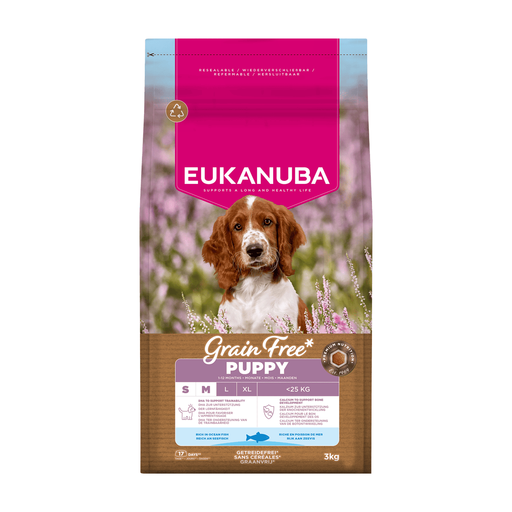
Why This Fits Their Persona: Ideal for owners of small to medium breed puppies who want to provide a grain-free start, for instance, due to digestive sensitivity in the litter or as a precaution.
This isn't a "one-size-fits-all" puppy food. The formula is specifically grain-free and chicken-free, using ocean fish as the protein source, which reduces the risk of common intolerances.
Contains DHA to support learning ability and calcium for bone development—two crucial elements for a growing puppy.
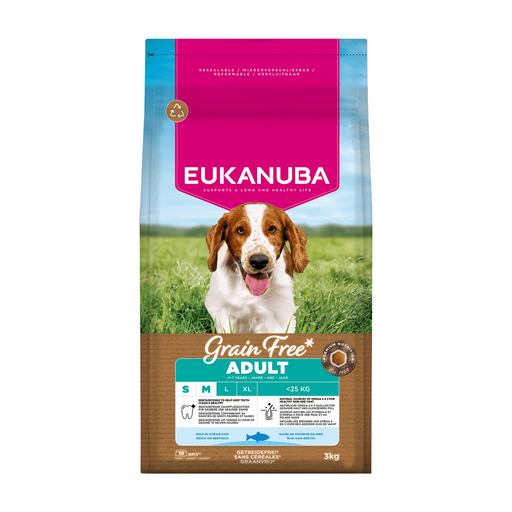
Why This Fits Their Persona: For the owner whose adult dog suffers from itching, a dull coat, or digestive issues and who is looking for a food with a low risk of allergic reactions.
This food avoids the trap of vague ingredients. It's a low-allergen recipe, free from grains and chicken, and uses sweet potato and peas as clear, alternative carbohydrate sources.
The formula contains prebiotics (FOS) and beet pulp to support healthy digestion. The omega fatty acids from ocean fish contribute to a healthy skin and coat.
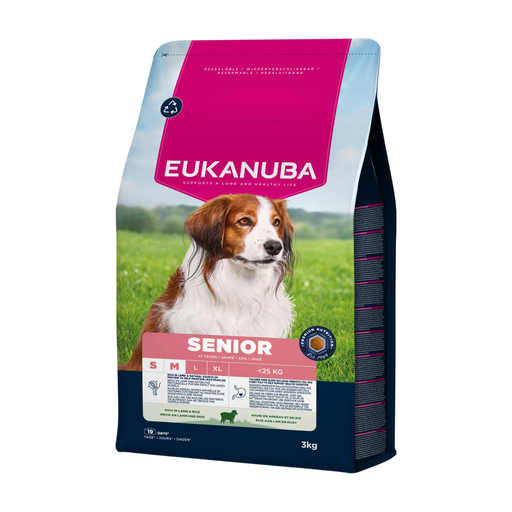
Why This Fits Their Persona: Suitable for owners of older dogs (7+ years) who notice their dog is getting a bit stiffer and has a more sensitive stomach. They are looking for a food that supports mobility and is easily digestible.
This is not a generic 'senior' food. It targets two common age-related issues: joint problems and sensitive digestion. The combination of lamb and rice is deliberately chosen for its digestibility.
According to the manufacturer, the food is enriched with glucosamine and chondroitin to help maintain healthy joints. The special hexagonal kibble shape with DentaDefense helps keep teeth clean.
We have compiled a complete, up-to-date list of products that meet these selection criteria and current guidelines.
A sudden change in food can disrupt your dog's digestion. Introduce the new kibble gradually over a period of 7 to 10 days. Start with a ratio of 75% old food and 25% new food. Increase the proportion of the new food every few days until you have fully transitioned.
Grain-free dog kibble does not contain any grains. This is useful for dogs with a specific grain allergy or intolerance. Hypoallergenic dog food is broader and designed to reduce the risk of allergic reactions in general. This is often achieved by using a single, novel protein source (like duck or venison) and a limited number of other ingredients. A food can be both grain-free and hypoallergenic, but this is not always the case.
Look at your dog. A healthy dog on the right diet is alert, has a stable weight, a shiny coat, and good, firm stools. If your dog suffers from lethargy, a dull coat, skin problems, or persistent digestive issues, it could be a sign that the current food is not optimal. When in doubt or if symptoms persist, always consult a veterinarian.
