
Vandaag of morgen in huis

Kwaliteit gegarandeerd

Welkomstaanbiedingen ontgrendelen: GRATIS bezorging | Tot 80% korting | Gratis 30 dagen JoyPlus-proefperiode
Download de app
The dog food aisle can be overwhelming. Packaging screams for attention with claims of "natural ingredients" and "premium recipes." But what do these terms really mean for your dog's health? As a Product Recommendation Officer at Joybuy, I'm here to help you cut through the noise and make an informed choice. We'll dive into the common pitfalls and the specifications that truly matter, so you can find the right dry food for your dog.
Before you add a bag of kibble to your shopping cart, it's wise to be aware of a few marketing tricks that often obscure more than they clarify.
To avoid the pitfalls, it's better to focus on a few objective criteria. These specifications provide a much clearer picture of the dog food's quality.
Dogs need animal proteins for muscle development and overall health. Look at the ingredient list: the first ingredient should be a specific, named meat or fish. This indicates it is the main component. Also, pay attention to the crude protein percentage in the analytical constituents. For an average adult dog, a percentage between 20% and 30% is a good guideline, depending on its activity level.
A puppy has different nutritional needs than a senior. The same goes for a Chihuahua versus a Great Dane.
Therefore, always choose a food that is specifically tailored to your dog's life stage and size.
Based on objective product specifications, we have selected a number of popular choices that suit different needs.
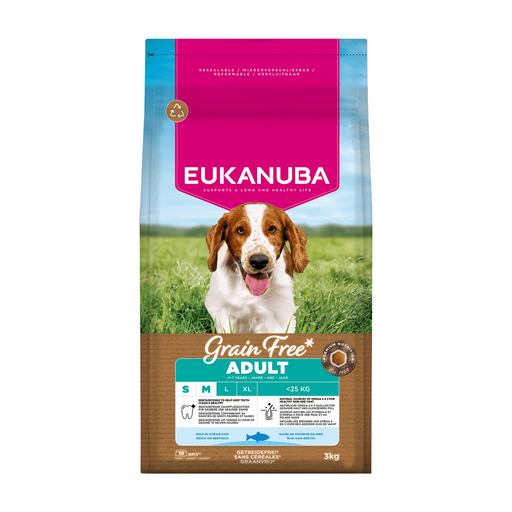
Why This Fits Their Persona: This food is specially formulated for dogs with a sensitivity to grains. The formula is chicken-free and uses ocean fish as the primary protein source, which reduces the likelihood of reactions.
This food bypasses the "grain-free hype" by replacing grains with functional alternatives like sweet potato and peas, which provide natural fibre and vitamins.
Low-allergen recipe with prebiotics (FOS) and beet pulp to support healthy digestion. Contains omega fatty acids for a healthy skin and coat.
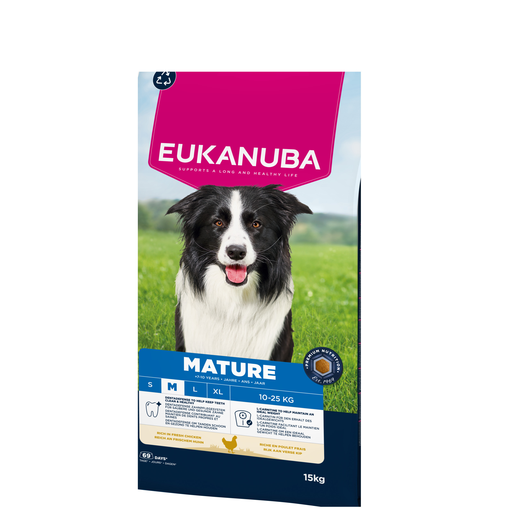
Why This Fits Their Persona: Specifically developed for medium-sized dogs aged 7 to 10 years. The composition is focused on supporting healthy ageing, with an emphasis on weight management and joint health.
This is not a 'one-size-fits-all' food. It is precisely tailored to the needs of older dogs, avoiding the pitfall of using a generic 'adult' food for a senior.
Contains L-Carnitine to help burn fat and manage weight. Glucosamine and calcium support healthy joints and strong bones.
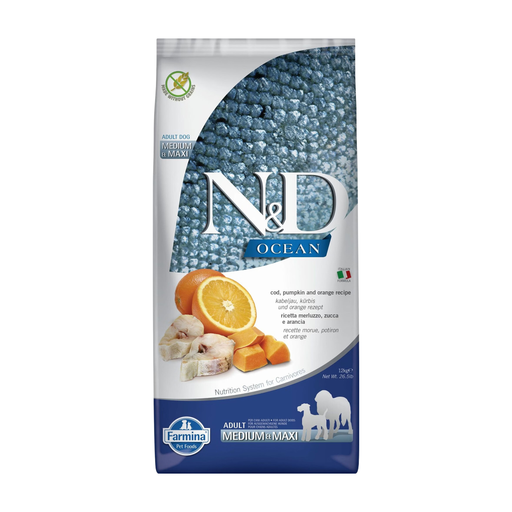
Why This Fits Their Persona: For the owner who meticulously studies the ingredient list. This food from Farmina has a high percentage of animal ingredients and a clear, transparent composition.
This product avoids the pitfall of vague ingredients. The list is specific (fresh cod, dehydrated cod), and the manufacturer claims that 98% of the proteins are of animal origin.
High protein content (32% crude protein) and a grain-free formula with pumpkin as a fibre source. Rich in omega-3 fatty acids from fish oil.
We have compiled a complete, up-to-date list of products that fully meet these strict selection criteria and local regulations.
A sudden change in diet can cause gastrointestinal upset. The recommended method is a gradual transition over a period of 7 to 10 days. Start by mixing a small amount (about 25%) of the new food with the old food. Increase the proportion of the new food every few days until you have completely switched over.
The primary difference lies in the nutritional composition. Senior dog food typically has:
Focus on the first five ingredients, as they make up the bulk of the product. Check if the first few ingredients are specific, high-quality protein sources (e.g., "chicken," "lamb," "salmon") instead of vague terms. Next, look at the "analytical constituents" for objective values like the percentage of crude protein, crude fat, and crude fibre. This gives a more reliable picture than the marketing claims on the front.
