
Vandaag of morgen in huis

Kwaliteit gegarandeerd

Welkomstaanbiedingen ontgrendelen: GRATIS bezorging | Tot 80% korting | Gratis 30 dagen JoyPlus-proefperiode
Download de app
Buying a new bag of dog food seems simple until you start comparing labels. One pack promises a high proportion of animal protein, while another calls itself grain-free or hypoallergenic. But a bold claim doesn’t automatically mean the food is right for your dog.
For dog owners in the Netherlands, there are three pitfalls to watch out for:
Puppy food is formulated for growth and has a different nutritional balance from food for adult dogs. The growth stage is especially important for large breeds. Check whether the pack says the food is intended for:
Kibble size matters too. Small-bite dry food may be more practical for a small dog. Larger kibble can sometimes be more suitable for a large dog, but acceptance and chewing habits vary from dog to dog.
Ingredients are generally listed in descending order by weight. Check the protein source: dog food with lamb, dog food with chicken, dog food with fish or a recipe containing several animal ingredients may each be a different option.
Also compare the analytical constituents:
A product labelled premium dog food doesn’t have a separate legal quality status. So assess the ingredients, feeding guidelines, packaging and price per daily portion.
For a sensitive digestive system, a simple recipe with a well-tolerated protein source may be a practical choice. Farmina N&D Quinoa Digestion Adult Mini lists lamb, quinoa, inulin and fructo-oligosaccharides, among other ingredients. The product information also gives an analytical protein content of 25% and a fat content of 12%.
That makes it an option to compare, but it’s no guarantee against vomiting, diarrhoea or food reactions. Hypoallergenic dog food shouldn’t be treated as a medical solution either. If symptoms persist, or your dog has itching or weight loss, it’s a good idea to speak to a vet.
“Dog food for skin and coat” often contains ingredients such as fish oil and omega-3 and omega-6 fatty acids. A brand’s own research or the product description may say these ingredients contribute to the recipe’s positioning, but results vary from dog to dog.
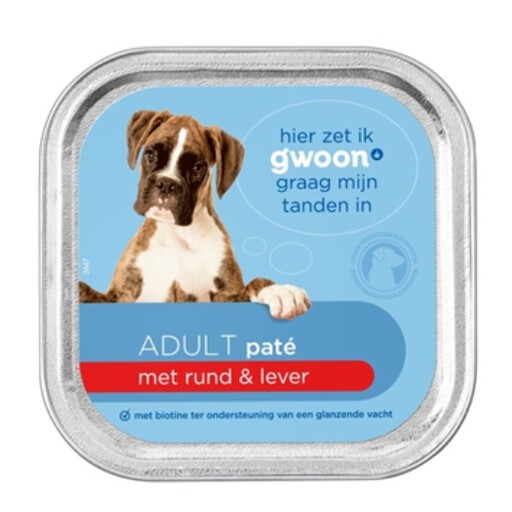
Why it suits this profile: A small portion of wet food for adult dogs whose owners want to vary their meals now and then, or who prefer a soft texture. The 150-gram pack is a handy size for households that don’t want to open a large pack.
The small cup helps reduce waste once opened. Check the label to see whether it should be used as a complete meal or as a topper.
Contains beef and liver, has a pâté-like texture and can be kept refrigerated for up to 48 hours after opening, according to the product information.
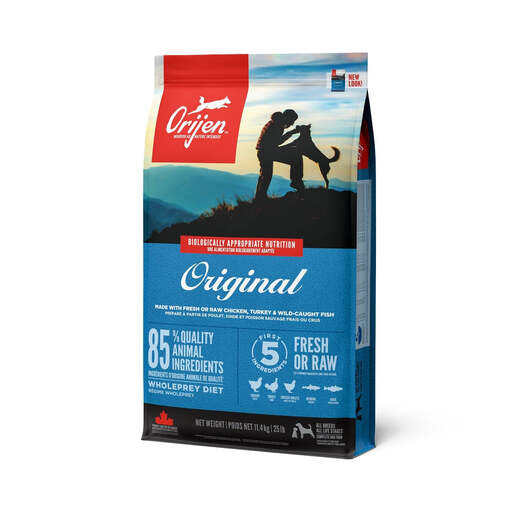
Why it suits this profile: For owners who want to compare an extensive ingredients list and a high analytical protein content. The formula is intended for dogs at all life stages, with the exceptions shown on the pack.
The ingredients list sets out individual animal ingredients and analytical values. This lets you compare the claim with the full ingredients list.
The product information lists 38% crude protein, 18% crude fat, fish ingredients and an 11.4 kg pack.
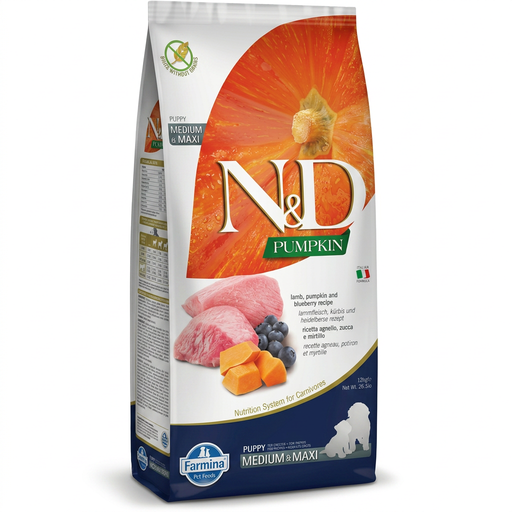
Why it suits this profile: Designed for puppies of medium and large breeds. The large bag suits households with a young dog that eats several meals a day.
The product information recommends a gradual transition over seven days and gives portion sizes by body weight. This helps prevent overfeeding during growth.
The ingredients include lamb, herring, pumpkin and pulses. The pack describes it as a complete food for puppies of medium and large breeds.
Dry dog food is easy to weigh out and generally simple to store. Once opened, keep the bag tightly sealed in a cool, dry place and check the use-by date. Wet dog food often has a higher moisture content and may appeal to dogs that aren’t keen on kibble. Once opened, it should be refrigerated according to the label.
You can combine the two, but make sure you add up the calories and portions. An extra cup of wet food alongside the usual amount of kibble can lead to overfeeding without you realising. If you’re introducing a new recipe, make the switch gradually over around seven to ten days, unless your vet advises otherwise.
We’ve put together a complete, up-to-date list of products that meet these strict selection criteria and the applicable European safety regulations.
Look for a clear ingredients list, a suitable protein source and appropriate nutritional values. Switch gradually and keep track of how your dog responds over a few days. If symptoms persist, you should consult a vet; a product claim about “sensitive digestion” is not a diagnosis or treatment.
It varies by brand and packaging. Always seal dry food airtight, store it somewhere cool and dry, and follow the instructions on the label. Wet food usually needs to be refrigerated after opening and used within the stated time.
Not always. Calculate the price per kilogram and per daily portion. Food with a higher energy density may require a smaller portion, but the right amount depends on your dog’s weight, age, activity level and body condition.
