
Vandaag of morgen in huis

Kwaliteit gegarandeerd

Welkomstaanbiedingen ontgrendelen: GRATIS bezorging | Tot 80% korting | Gratis 30 dagen JoyPlus-proefperiode
Download de app
A bag of dog food labelled “natural”, “grain-free” or “high in meat” can seem like an obvious choice. But these terms don’t always tell you whether it’s right for your dog. The recipe, nutritional information and portion size matter far more than the claims on the front of the pack.
The needs of adult dogs can vary considerably. A small, calm dog needs a different kibble size and amount of energy from a large, active dog. You’ll also need to compare products carefully if your dog has a sensitive digestive system or a suspected food sensitivity.
Grain-free dog food contains no grains, but that doesn’t mean every recipe is right for every dog. Ingredients such as peas, chickpeas, potatoes or sweet potatoes may be used instead. So check the full ingredients list, not just the claim on the front of the pack.
A claim such as “60% meat” can include different ingredients, such as fresh meat, dried meat, organs and animal derivatives. The moisture content of fresh meat also affects its final proportion in the kibble. So compare the crude protein, the full ingredients list and the product’s legal designation.
Claims such as “96% of proteins from animal sources” come from the brand’s product information. Don’t treat them as a universal guarantee of quality. Always check the label and nutritional analysis on the packaging.
Wet dog food, treats and individual types of meat aren’t always intended as complete daily meals. Look for the wording “complete pet food” if you want to serve the product as a main meal. A complementary product may work as a topping or reward, but it won’t automatically replace a balanced diet.
Choose dog food to suit your dog’s age and size. For example, Farmina N&D Quinoa Digestion Adult Mini is intended for adult dogs of small breeds. According to its product description, Farmina N&D Pumpkin Wild Boar Adult Medi/Maxi is intended for adult dogs of medium and large breeds.
Also check the feeding guide in grams per day. This is a starting point; activity level, body condition and whether your dog has been neutered or spayed can all affect the right amount. A large bag of dry dog food isn’t automatically better value if the daily portion is bigger.
If you’re looking for high-meat dog food, it’s worth checking the first ingredients listed. Their order indicates which ingredients come first in the recipe. Also check how many animal protein sources it contains.
Whether you’re considering dog food with lamb, duck or fish, a clearly identified protein source can be useful if you want to keep the ingredients list short. However, “single protein” only means something if the recipe actually contains just one animal protein source. Check the fats, stock, organs and any hydrolysed ingredients too.
Compare at least the following:
Hypoallergenic dog food doesn’t come with a general guarantee that it will prevent symptoms. If skin or digestive problems keep coming back, it’s wiser to speak to a vet than to keep switching brands.
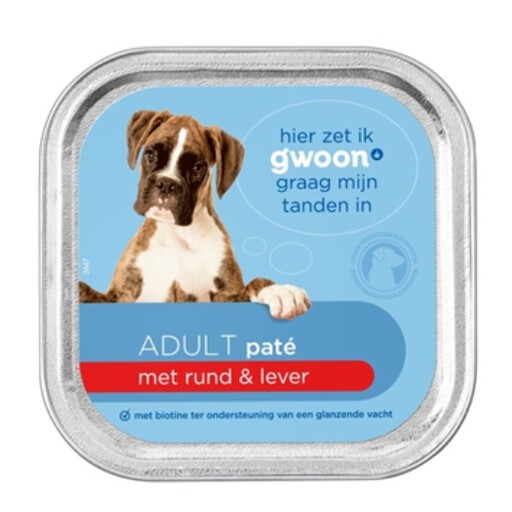
Why it suits this profile: A small pack of wet dog food is handy for trying a product first or adding it to dry food. The product information lists beef and liver as key ingredients and says it’s for adult dogs.
The small pack means you can try it without buying a large supply before you know whether your dog likes it. However, check the label to see whether it’s listed as complete or complementary food.
150 grams; soft, pâté-like texture; ingredients include beef and liver.
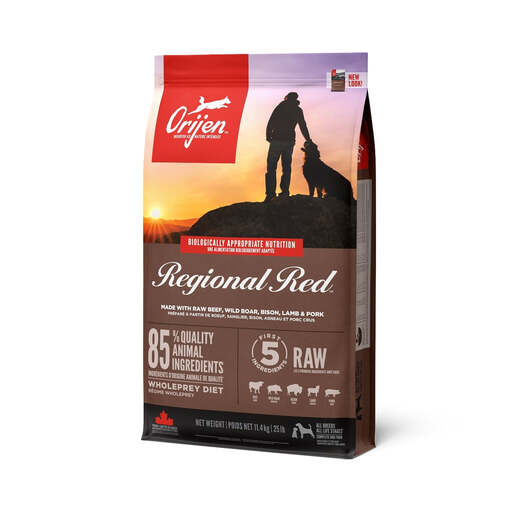
Why it suits this profile: According to the product information, this dry dog food contains several animal ingredients, including beef, wild boar, bison, lamb and pork. The nutritional analysis lists 38% crude protein and 18% crude fat.
The product page shows a detailed ingredients list and nutritional analysis. This lets you assess the recipe based on specific information rather than relying on the term “premium dog food” alone.
11.4 kg; 38% crude protein according to the product information; contains meat, organs and fish ingredients.
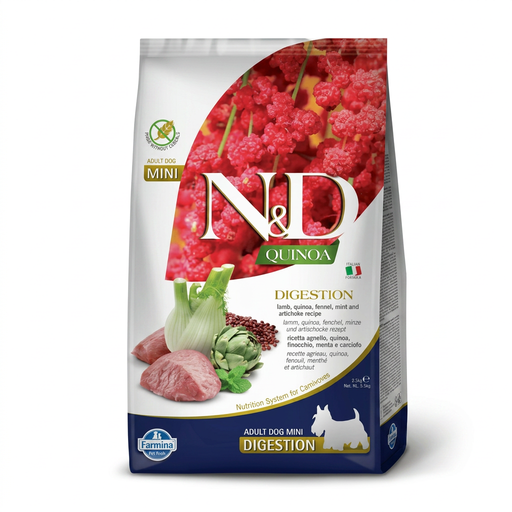
Why it suits this profile: According to its product description, this recipe is intended for adult dogs of small breeds and contains lamb, quinoa, rice, sweet potato and prebiotics. The kibble size and portion should suit a small dog.
The product information lists the intended dogs, ingredients and nutritional analysis. This helps you read “for sensitive dogs” as a recipe choice to compare against the label, rather than as a medical promise.
2.5 kg; lamb as the stated main protein; 25% crude protein and 12% crude fat according to the product information.
We’ve put together a full, up-to-date list of products that meet these strict selection criteria and comply with current European safety regulations.
Dry food is easy to portion and convenient to store once opened. Check the recommended amount and seal the bag tightly.
Wet food generally contains plenty of moisture and can appeal to dogs that are less keen on eating. Once opened, it should be kept in the fridge according to the instructions on the packaging.
Raw food requires extra care with chilled storage, hygiene and defrosting. Products such as raw chicken or individual cuts of meat aren’t automatically complete dog food. So don’t serve them as a complete daily diet without checking their nutritional composition.
As well as the options mentioned above, there are recipes containing fish, lamb, duck, game and organic ingredients. For example, HERRMANN'S MANUFAKTUR Organic Adult Dog Turkey Food lists organic ingredients, while according to the product information, Ziwi PEAK Dog Cans Venison 390g is a wet food with venison as its sole animal protein source. Always check the current packaging and legal designation.
Choose a product labelled as complete food for adult dogs that suits your dog’s breed size, activity level and body condition. A small dog may benefit from smaller kibble, while an active large dog often needs a different amount of energy. Follow the feeding guide and adjust the portion carefully.
No. Grain-free dog food is simply a recipe choice without grains. It doesn’t automatically mean the product is more digestible, more suitable or necessary. Check all the ingredients and speak to a vet about any ongoing symptoms.
Keep dry food sealed in a cool, dry place and use it before the date on the packaging. Wet food should be refrigerated after opening and used within the stated period; for the g’woon product mentioned above, the stated maximum is 48 hours. Always follow the label, as shelf life varies from product to product.
