
Vandaag of morgen in huis

Kwaliteit gegarandeerd

Welkomstaanbiedingen ontgrendelen: GRATIS bezorging | Tot 80% korting | Gratis 30 dagen JoyPlus-proefperiode
Download de app
Choosing a bag or tray of dog food seems simple, until you start comparing labels. Terms such as “premium”, “natural” and “grain-free” sound appealing, but on their own they say little about whether a product is suitable for your dog. Start by checking the animal species, nutritional status and ingredients.
“Dog food with chicken”, “dog food with beef” or “dog food with lamb” sometimes refers to a flavour variety, rather than a recipe made primarily from that type of meat. Check the ingredients list and pay attention to the order: ingredients are generally listed in descending order by quantity. For example, CESAR Classic Chicken lists meat and animal derivatives, of which 4% is chicken. That is not the same as a recipe with chicken as its main protein source.
In grain-free dog food, grains are often replaced with ingredients such as peas, chickpeas or potato starch. This may suit a particular dietary preference, but grain-free does not automatically mean that the food is suitable for every dog. Look at the overall protein, fat and fibre content, as well as the nutritional status stated on the packaging.
A lickable treat or dog snack can be useful as a reward, food topper or training aid. However, according to the product information, INABA Churu Dog Multipack is complementary pet food and not a replacement for a complete meal. A high moisture content does not turn a snack into a complete food product either.
Look on the label for wording such as complete pet food for adult dogs. This is important if you want to give the product as your dog’s main daily meal. A product labelled “complementary pet food” should instead be used alongside normal food.
For adult dogs, energy requirements depend on weight, age, activity level and body condition. An active dog may need a different portion from a quiet household pet. Use the feeding guide on the packaging as a starting point and adjust the amount gradually.
Wet dog food generally contains a lot of moisture and is available as pâté, chunks in gravy or meat in jelly. It can be practical for dogs that prefer a softer texture. Once opened, a tray, tin or pouch should be refrigerated according to the product instructions. Several products in this selection state that they should be used within a maximum of 48 hours after opening.
Dry dog food is more concentrated and easier to store in an airtight container. Check the analytical constituents, such as crude protein, crude fat, crude fibre, crude ash and moisture. For example, Farmina N&D Pumpkin Lamb Adult Medi/Maxi lists 28% crude protein, 18% crude fat and 9% moisture. Orijen Original Prey lists 38% crude protein, 18% crude fat and 12% moisture. Figures like these make an objective comparison possible, but they do not, on their own, tell you whether a recipe is right for your dog.
For a sensitive diet, a short, clear ingredients list can be useful. Hypoallergenic dog food is not a universal guarantee against a reaction. If you suspect a food sensitivity, it is sensible to consult a vet. You should also change food gradually, for example over seven days, as recommended for various dry food products.
Pay attention to the packaging too. A multipack of dog food can offer good value if used regularly, but check the price per kilogram and the shelf life. Small portions are convenient for portioning and travelling; large bags may be more practical for households with several dogs, provided you store the food in a properly sealed container.
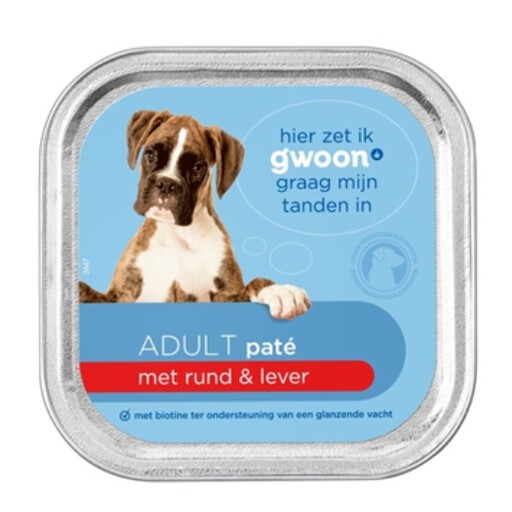
Why it suits this profile: The 150 g portion is a manageable size for anyone who wants to try wet food for adult dogs without immediately buying a large pack.
The product information lists beef and liver as the main ingredients, a pâté texture and no artificial colourings, flavourings or preservatives. Check the current packaging for the full ingredients list.
Soft pâté, a 150 g portion and intended for adult dogs. According to the product information, unused contents can be refrigerated for up to 48 hours.
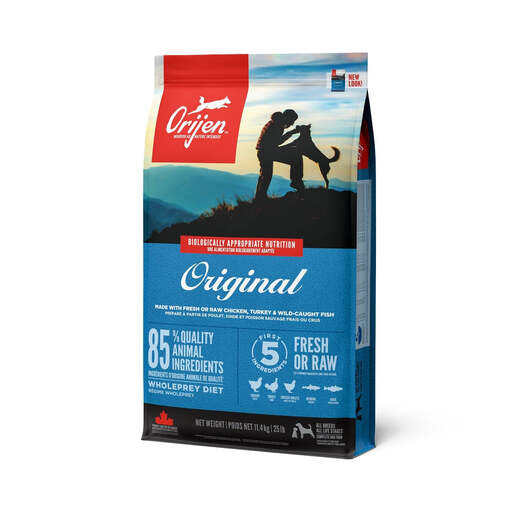
Why it suits this profile: This large bag of dry food is aimed at households looking for a concentrated recipe with chicken, turkey, fish and egg.
The product page provides specific analytical values, including 38% crude protein, 18% crude fat and 12% moisture. The claim about the protein sources comes from the brand’s product information.
Complete food for dogs at all life stages according to the product information, with a feeding guide based on body weight and activity level.
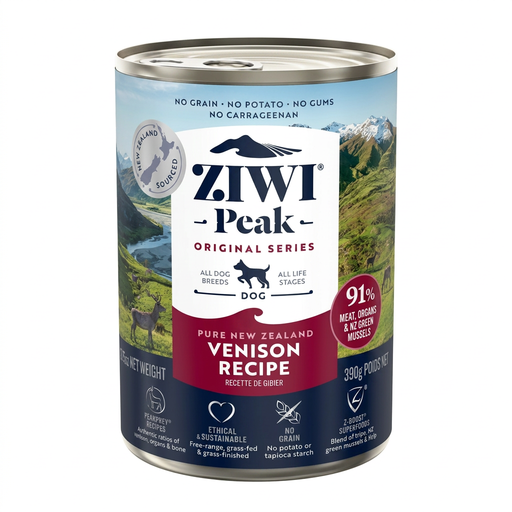
Why it suits this profile: A recipe with venison as the only named animal protein source may appeal to owners looking for a more specific composition.
The product information mentions venison, organs and bones, and lists analytical values such as at least 10% crude protein and a maximum of 78% moisture. Specific food does not replace veterinary advice in cases of allergies.
Wet food with one named animal protein source and a 390 g pack. Refrigerate after opening and use within two days, according to the product information.
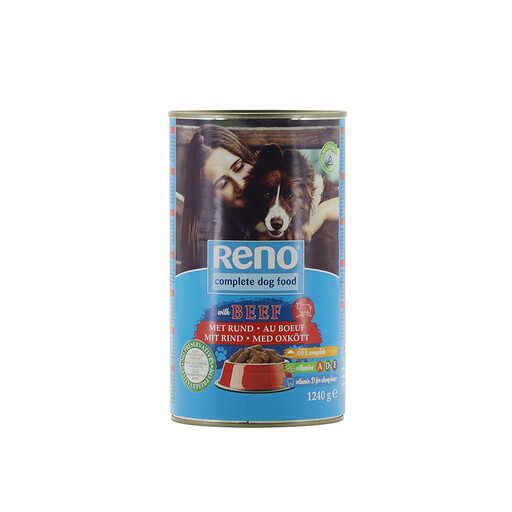
Why it suits this profile: The 1.24 kg pack is practical for households with several dogs or for anyone who uses wet food regularly.
The product information lists beef chunks in gravy and complete food for adult dogs. With a large pack, compare the price per kilogram and plan for refrigerated storage after opening.
Large net quantity, chunks in gravy and a recipe that, according to the product description, is intended as complete food for adult dogs.
We have put together a complete, up-to-date list of products that fully meet these strict selection criteria and the applicable European safety regulations.
Not every product in a search result is dog food. INABA Churu Multipack Chicken & Beef is intended for cats and contains 20 tubes. The g’woon Adult Chunks in Jelly Multipack is also cat food for adult cats. So always check the animal icon, animal species and nutritional status before ordering. Cat treats are not automatically suitable as dog snacks, and vice versa.
Choose a product labelled as complete food for adult dogs. Also compare the ingredients, analytical constituents, feeding guide and packaging. Your dog’s age, weight and activity level determine how much food it needs.
That depends on the portion size, energy content and price per kilogram. Dry food contains less moisture and is often more concentrated. Wet food may work out more expensive per kilogram, but it offers portions that are easy to divide. Calculate the cost based on the recommended daily amount, not just the price of one pack.
Follow the instructions on the label. For several of the wet food products mentioned, the guidance is to refrigerate them and use them within a maximum of 48 hours. Seal dry food properly after every use and store it in a cool, dry place. Discard food if the packaging is damaged, it has an unusual smell or you are unsure whether it is still within its shelf life.
