
Vandaag of morgen in huis

Kwaliteit gegarandeerd

Welkomstaanbiedingen ontgrendelen: GRATIS bezorging | Tot 80% korting | Gratis 30 dagen JoyPlus-proefperiode
Download de app
Choosing dog food and dog treats may seem straightforward, but there’s a lot to choose from. Kibble, wet food, training rewards and chews are often promoted with terms such as “natural”, “grain-free” or “high in meat”. These claims only tell you so much: always check the full ingredients list, nutritional information and feeding instructions too.
There are three common pitfalls for dog owners:
A puppy has different nutritional needs from an adult dog. When choosing puppy food, check the stated life stage, kibble size and feeding guidelines for your puppy’s weight. According to the product information, Orijen Puppy Formula is suitable for puppies of all breeds, from weaning to around 12 to 18 months, depending on the breed.
When choosing adult dog food, your dog’s weight, activity level and breed size matter more than eye-catching packaging. An active, medium-sized dog will generally need a different portion from a calm senior dog of the same weight. Weigh out portions regularly and adjust them if your dog’s body condition changes.
Dry food sold as complete food can form the basis of your dog’s daily meals when fed according to the instructions. A chew stick or dog treat is usually a complementary snack. This distinction determines how you should use the product.
Rosewood Dog Bones Mix Chews, for example, is intended as a reward or between-meal snack. The ingredients list includes vegetable derivatives and 32.5% meat and animal derivatives, including chicken, lamb and beef. This makes it suitable as a reward, but not necessarily as a replacement for a complete meal.
Grain-free dog food doesn’t contain grains, but may use alternatives such as peas, lentils, potato or tapioca starch. So check the full ingredients list rather than relying on the words “grain-free” alone.
For chicken dog food, lamb dog food or fish dog food, it’s worth checking how much of that animal protein is actually included. Farmina N&D Pumpkin Lamb, for example, lists fresh boneless lamb and dried lamb among its key ingredients. The Ocean variety uses cod and dried cod protein. These details are easier to verify than general claims such as “meaty flavour”.
Take extra care when choosing hypoallergenic dog food or food for sensitive dogs. A product that lists a single protein source may be useful if you want to limit ingredients, but it’s no substitute for veterinary advice if your dog has recurring symptoms or a suspected food allergy. Farmina Vet Life Ultra-Hypoallergenic Formula lists hydrolysed fish protein and rice starch, and recommends consulting a vet before use.
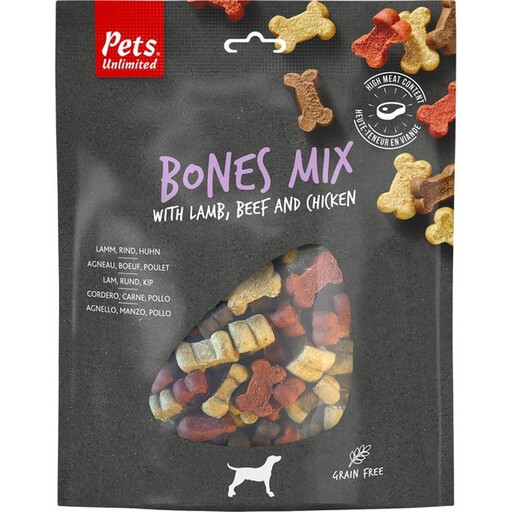
Why it suits this profile: A 150 g snack for training rewards or between meals, suitable for dogs of different sizes.
The product information clearly describes it as a complementary snack and provides a feeding guideline. This makes the difference between a snack and complete food clear.
32.5% meat and animal derivatives according to the label; the product information states that it contains no artificial colours or flavours.
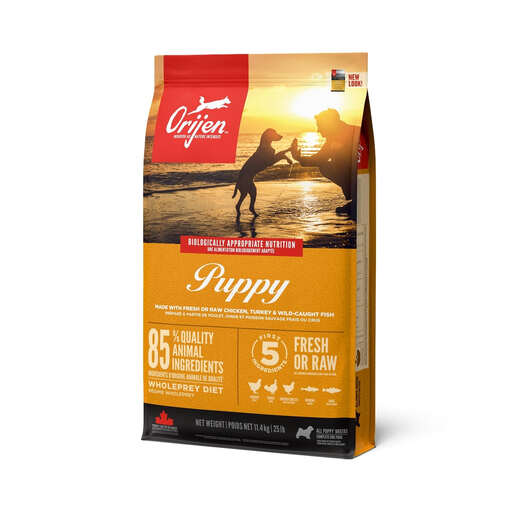
Why it suits this profile: A large 11.4 kg bag for puppy owners looking for a detailed ingredients list and a consistent daily diet.
The product page lists 85% animal ingredients, 38% crude protein and 18% crude fat. This lets you compare options using specific figures.
Grain-free puppy formula; chicken, turkey, egg and fish are listed with percentages in the ingredients.
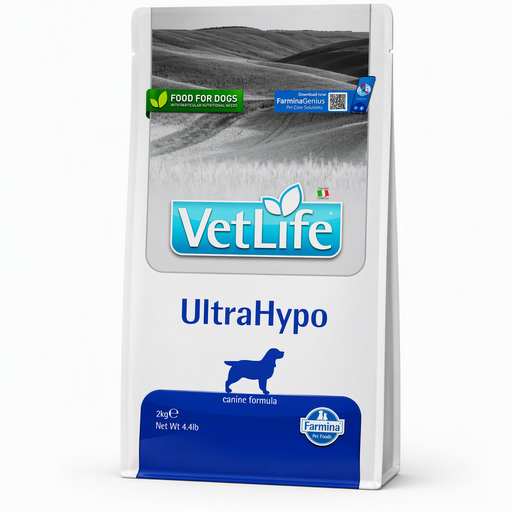
Why it suits this profile: Designed for dog owners looking for food with a limited, clearly defined protein source, and who plan to discuss its use with their vet.
The ingredients list includes rice starch and hydrolysed fish protein. The product information recommends consulting a vet rather than trying to make a diagnosis yourself.
One named protein source; analytical values such as 18% crude protein and 15% crude fat are listed.
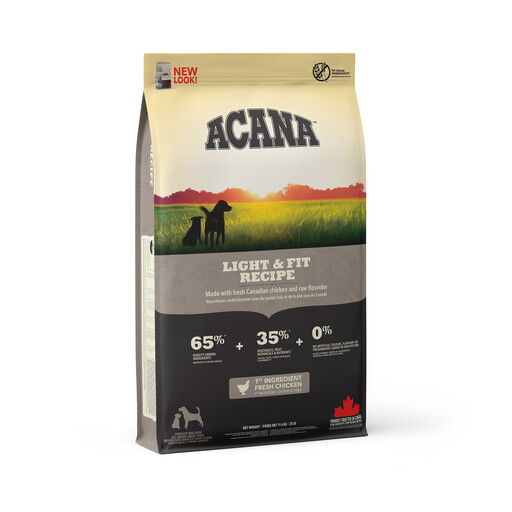
Why it suits this profile: For owners who want to take calories, macronutrients and portions into account when choosing weight-management dog food.
The product information lists 3070 kcal/kg and recommends a gradual transition over at least seven days. This makes portioning and comparing options easier.
11% crude fat and 33% crude protein according to the product information; the listed ingredients contain no maize, wheat or soya.
For training, choose small portions, such as INABA Bites or small chicken fillets. Supervision is important when giving chews such as dog chew sticks and dog chews. Check that the shape is suitable for your dog’s size and chewing strength. Rosewood Chewy Sticks Chicken Wrap come in a pack of four and, according to the product information, consist of beef hide wrapped in dried chicken.
Always make fresh drinking water available, and store opened food in a dry, well-sealed container. Introduce new food gradually, usually over five to ten days, depending on the guidance on the pack.
We’ve put together a complete, up-to-date list of products that meet these strict selection criteria and the applicable European safety requirements.
Follow the guidance on the pack and, ideally, keep treats to under 10% of your dog’s daily calories. Reduce the amount of main food if needed. If your dog is overweight or on a special diet, it’s a good idea to consult your vet.
No. Grain-free simply means that the ingredients don’t include grains. It doesn’t automatically mean the food is a better fit for your dog. Check the alternative carbohydrate sources, and choose according to your dog’s age, activity level, tolerance and overall nutritional needs.
It varies by product. Store dry food in a cool, dry place in a sealed container, and follow the best-before date on the pack. Once opened, store wet treats according to the product instructions and use them within the stated period. If the smell, colour or texture changes, don’t give the product to your dog.
