
Vandaag of morgen in huis

Kwaliteit gegarandeerd

Welkomstaanbiedingen ontgrendelen: GRATIS bezorging | Tot 80% korting | Gratis 30 dagen JoyPlus-proefperiode
Download de app
A full shelf of dog food and treats doesn’t always make choosing easier. Wet dog food, dry dog food, dog treats and chews vary considerably in their ingredients, portion sizes and intended use. And eye-catching packaging doesn’t necessarily tell you whether a product is right for your dog.
The most common buying mistakes come down to three pitfalls:
For everyday use, look for complete and balanced dog food that’s suitable for your dog’s life stage. Food for adult dogs isn’t automatically suitable for puppies. Puppy food has different nutritional labelling and should be appropriate for your puppy’s age and expected size.
Look out for these differences:
If your dog has a medical condition, allergy or special dietary requirements, it’s best to speak to a vet. Marketing claims such as “for healthy digestion” or “supports joints” are no substitute for personalised dietary advice.
The flavour shown on the front isn’t the same as the full ingredients list. When checking dog food with beef or dog food with chicken, look at:
Grain-free dog food isn’t automatically necessary for every dog. And grain-free doesn’t mean the food contains no sources of carbohydrates. For example, the product information for some grain-free formulas lists peas and sweet potato.
A specific example is EUKANUBA Grain Free Adult with venison. The product information describes a grain-free recipe containing peas and gluten-free sweet potato as alternative sources of carbohydrates. Always check the label, especially if you suspect a food sensitivity.
A small dog won’t necessarily benefit from a large chew. Check the dimensions, number of pieces and texture. Supervise your dog when giving chews and make sure fresh drinking water is available. Remove the product if it becomes too small to hold safely or if large pieces break off.
Read dental stick claims for dogs with care. According to the product information from certain brands, some sticks are designed to help care for teeth while your dog chews. This doesn’t mean they replace professional dental care.
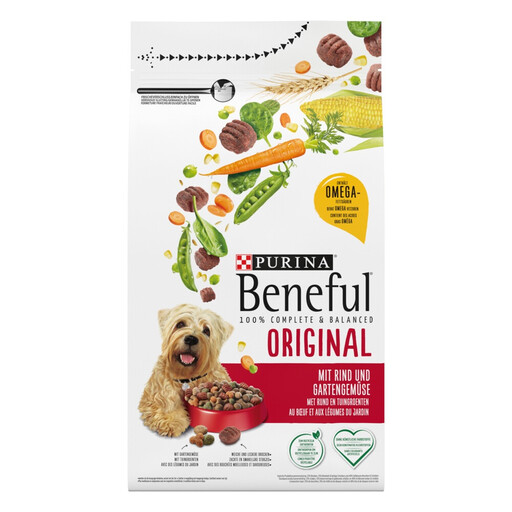
Why it suits this profile: A 1.4 kg bag is a manageable size if you’re choosing dry food for an adult dog for the first time and want to measure out daily portions.
The product information includes feeding guidelines for different weights. This helps you avoid relying solely on guesswork when feeding your dog.
Dry kibble with beef and vegetables; the stated analysis contains 15% protein, 8% fat and 12% moisture.
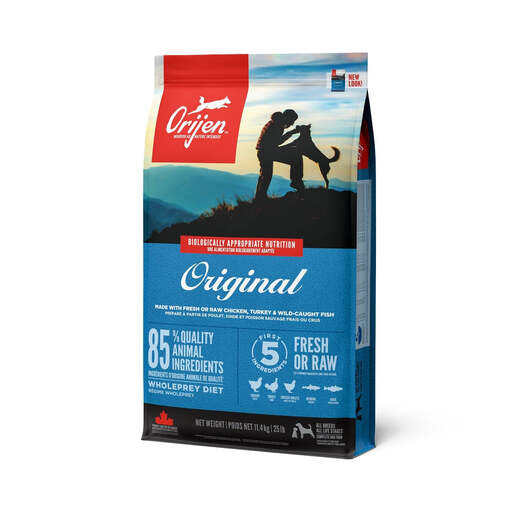
Why it suits this profile: A good choice for households comparing large bags with detailed ingredients lists and several animal-based sources.
The product page lists percentages and the full composition. This makes it easy to compare the proportions of chicken, turkey, fish and egg with other options.
According to the product information, the food contains 38% crude protein, 18% crude fat and animal ingredients such as chicken, turkey, herring and cod.

Why it suits this profile: A practical choice for dogs that love to chew, and for owners looking for an additional product to offer alongside their dog’s daily meals.
The packaging states that there are four medium-sized sticks and that they’re a complementary food. So it’s clear that this isn’t a complete meal.
Beef hide with a layer of dried chicken; according to the product information, made without added grains, artificial colours, flavourings or preservatives.
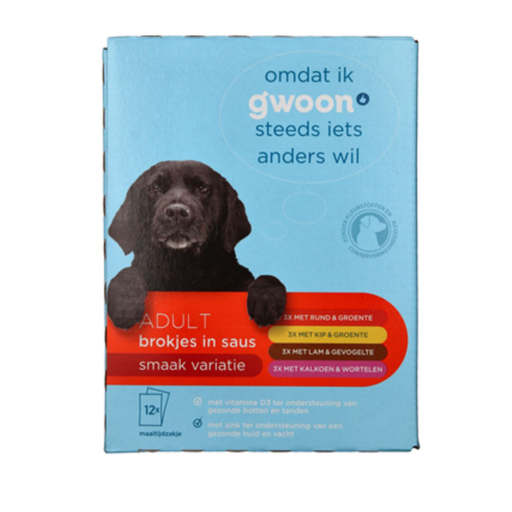
Why it suits this profile: The individual pouches are handy for portioning, travelling or households that regularly feed their dogs wet food.
A multipack means you don’t have to store several large opened packs at once. Still, check the flavours and any grains listed on the label.
Twelve portions of wet food in chicken, beef and salmon varieties; the product information states 83 kcal per 100 grams.
We’ve put together a complete, up-to-date list of products that meet these strict selection criteria and the applicable European safety regulations.
Not necessarily. Wet food has a soft texture and is usually high in moisture, while dry food is easy to store and measure. The right choice depends on your dog’s age, preferences, portion size and any dietary needs.
Follow the guidance on the packaging. For several of the treats mentioned, the advice is that treats should make up no more than around 10% of your dog’s daily calorie intake in total. Reduce the main meal if needed, and take your dog’s size and activity level into account.
It varies by product. Opened wet food often needs to be refrigerated and used within 48 hours; some treats have a different storage time once opened. Always check the packaging, and seal dry food and treats securely.
