
Vandaag of morgen in huis

Kwaliteit gegarandeerd

Welkomstaanbiedingen ontgrendelen: GRATIS bezorging | Tot 80% korting | Gratis 30 dagen JoyPlus-proefperiode
Download de app
A bag of dog food and a box of dog treats may seem like quick purchases. Yet dog owners regularly pay too much for a product that does not suit their dog’s age, size or nutritional needs. When it comes to dog food and treats, there are three key pitfalls to look out for.
Not every product containing meat, chicken or fish is suitable as a daily meal. Complementary pet food is intended as a reward, topper or snack. It does not replace complete dog food.
So always check the label to see whether the product is described as complete food. INABA Churu, for example, is intended as a treat or reward and contains a lot of moisture, but it is not a replacement for a complete meal. Pure meat products, such as wet food with goat or horse, are not automatically nutritionally complete either.
Words such as ‘natural’, ‘premium’ or ‘dental care’ say little on their own about whether a product is suitable for your dog. Look at the ingredients list, analytical constituents, portion information and recommended target group.
Claims about performance come from the brand or product description. According to Rosewood’s product description, the Trio Sticks may help reduce plaque and tartar through chewing. They are not a replacement for examination or care from a vet.
A small dog may struggle with a large, hard chew. A large dog may swallow a small dog treat too quickly. In addition, several treats a day can unknowingly make up a significant proportion of a dog’s calorie intake.
Use treats as part of your dog’s daily feeding plan. The G'woon Beef Strips packaging, for example, states that treats should make up no more than 10% of the daily calorie intake. Adjust the amount according to your dog’s weight, age, activity level and body condition.
For the main meal, look for complete dog food suitable for the correct life stage, such as adult dogs. With wet dog food, also check the serving size and storage instructions after opening.
For treats, look for the designation complementary pet food. This helps prevent a tasty reward from accidentally replacing your dog’s daily food.
Wet food generally contains a lot of moisture. The INABA Churu varieties state a moisture content of approximately 88 to at least 90%, depending on the variety. This makes them suitable as a soft reward, topper or extra-moist treat. Fresh drinking water should always be available.
Also compare crude protein and fat. The INABA Chicken Seafood variety lists 9.5% crude protein and 0.6% crude fat, while the double chicken variety lists 9.0% protein and 0.4% fat. These figures are useful for comparison, but they do not, on their own, determine whether a product is suitable for your dog.
For dog training treats, small portions that are easy to measure out are useful. A soft tube can be practical during a walk, while dog chews take more time and require supervision.
Read the ingredients list if your dog has sensitivities. G'woon Beef Strips contain, among other ingredients, cereals and 18% beef, while some other dog treats state that they contain no added cereals. ‘Free from the 14 main EU allergens’ does not automatically mean that every dog will tolerate the product well. Stop using the product if a clear intolerance reaction occurs and ask a vet for advice if necessary.
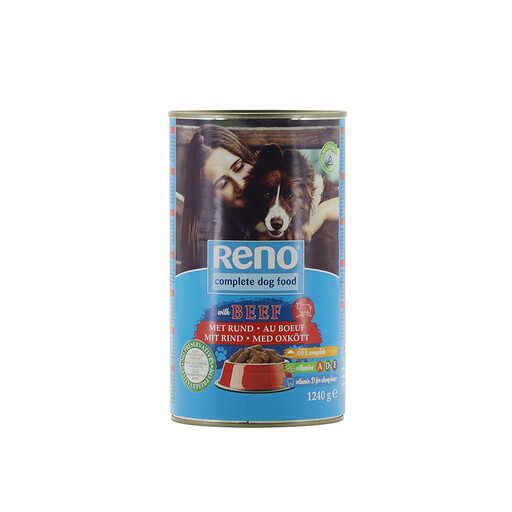
Why it suits this profile: The 1.24 kg pack is practical for households with several dogs or for anyone who regularly serves wet food. This variety contains chunks of beef in gravy and is intended for adult dogs.
The product description states that this is complete and balanced food for adult dogs. Check the current packaging for the full composition and feeding guidelines.
1.24 kg contents; beef in gravy; store unopened in a cool, dry place and use leftovers within 48 hours when refrigerated.
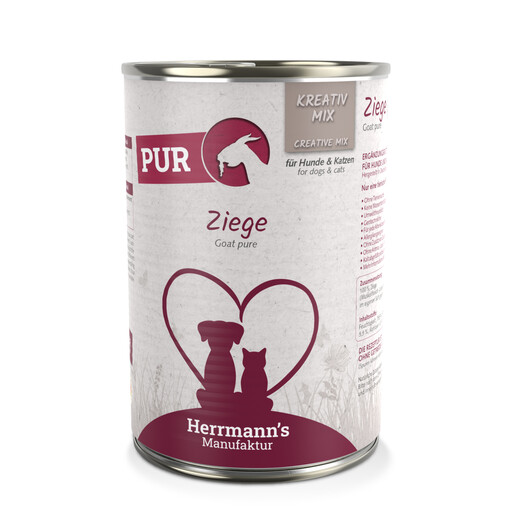
Why it suits this profile: According to the product information, this variety contains 100% goat, consisting of muscle meat, lung and heart. It appeals to shoppers looking for a short ingredients list and a specific protein source.
The composition is clearly described. However, check whether additional vitamins and minerals are needed, as a product containing one animal species is not automatically complete dog food.
400 g pack; 10.4% crude protein; 5% crude fat; cooked in its own juices.
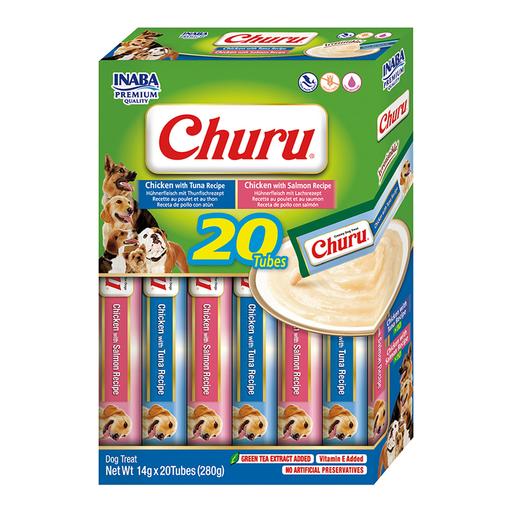
Why it suits this profile: The tubes are suitable for training, rewards or use as a topper. The multipack combines chicken with tuna and salmon, allowing you to offer a range of flavours.
The product information clearly states that this is a treat. Use the recommended amount of 1 to 2 tubes per day as a starting point and adjust it to suit your dog.
20 tubes of 12 g; at least 90% moisture; give directly or mix into your dog’s usual food.

Why it suits this profile: These small dog chews are intended for smaller dogs and combine rawhide with dried chicken. They are suitable as a longer-lasting dog treat, rather than a quick training reward.
The size is specifically listed as small. Always supervise your dog while it is chewing and remove loose, small pieces to prevent swallowing.
10 pieces; no added cereals or gluten according to the product description; store in a cool, dry place.
We have put together a complete, up-to-date list of products that fully meet these strict selection criteria and the applicable European safety regulations.
That depends on the designation on the label. If it states complete food for adult dogs, the product is intended as a complete meal when used according to the feeding guidelines. If it states complementary pet food, use it as a snack, topper or reward.
There is no set amount that suits every dog. Consider your dog’s body weight, activity level and total calorie intake. A practical guideline found on many packs is that treats should provide no more than approximately 10% of daily calories. If you give several rewards, you may need to reduce the main meal accordingly.
No. According to brands’ own product information, certain chews may encourage chewing and help reduce plaque or tartar. The effect varies from dog to dog. Supervision while chewing and regular dental check-ups remain important.
