
Vandaag of morgen in huis

Kwaliteit gegarandeerd

Welkomstaanbiedingen ontgrendelen: GRATIS bezorging | Tot 80% korting | Gratis 30 dagen JoyPlus-proefperiode
Download de app
A bag of dog food featuring words such as “natural”, “premium” or “grain-free” can quickly seem like a safe choice. However, these terms do not tell the whole story. The right choice depends on your dog’s age, size, activity level and sensitivities. Portion size, protein source and whether the product is complete pet food also make a practical difference.
If you only look at the front of the packaging, you may end up paying too much for a product that does not suit your dog’s daily diet. Use these checkpoints to compare dog food more clearly.
Grain-free dog food contains no grains, but that does not mean every dog needs it or will respond better to it. Grain-free recipes often use other sources of carbohydrates, such as peas, lentils, chickpeas or sweet potato. Always check the full ingredients list.
If your dog has a clear reaction to food, “grain-free” does not necessarily mean hypoallergenic. A recipe may still contain several animal protein sources. Discuss persistent symptoms with a vet rather than repeatedly changing your dog’s food on your own.
“Dog food with chicken”, “dog food with lamb” or “dog food with game” may sound appealing. However, check the percentage and position of the named ingredient in the composition. Some products contain other animal ingredients alongside chicken or lamb.
For a sensitive dog, a recipe with one clearly stated protein source may be more practical. Also check whether the product is suitable as a complete meal or is intended only as complementary food.
A 12 kg bag of dry dog food often has a lower price per kilogram, but only if your dog tolerates the food well and eats it before the best-before date. For a small breed, a large bag may remain open for a long time. Store dry food in a cool, dry place and keep it tightly sealed.
Wet dog food often comes in smaller portions and can help with fluid intake, but once opened it must be refrigerated and used within the stated period according to the label. So do not compare only the pack price; compare the daily cost as well.
Look on the packaging for wording such as “complete pet food for adult dogs”. An adult dog has different nutritional needs from a puppy or senior dog. Some products are suitable for all life stages, while others are specifically intended for adult dogs.
Also check the feeding guideline for your dog’s body weight. This amount is a starting point; activity, age and body condition may mean that adjustments are needed. Always provide fresh drinking water.
Ingredients are generally listed in descending order by weight. Alongside the protein source, pay attention to:
A high protein percentage does not make a product suitable for every dog. Always compare the complete nutritional profile and the recommended portion.
“Premium dog food” is not a nutritional category with one fixed composition. Do not use the term as your deciding factor. The ingredients, analytical values, intended nutritional group and packaging information are more reliable points of comparison.
Some product descriptions state that a recipe contains none of the 14 main EU allergens. This is useful labelling information, but it does not rule out individual reactions. A dog may also be sensitive to ingredients that are not included on that list.
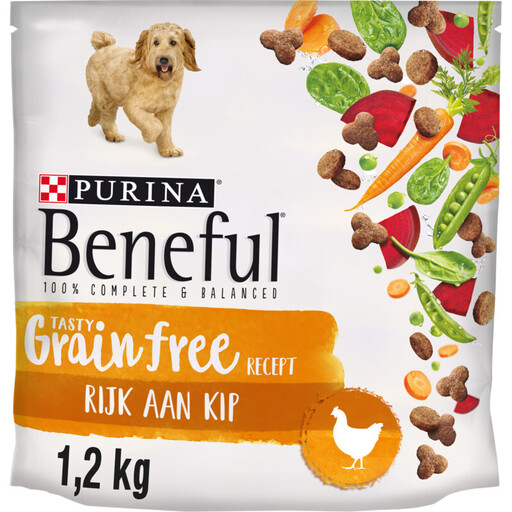
Why it suits this profile: A 1.2 kg pack is a manageable choice if you want to try a new recipe first. According to the product information, this is complete pet food for adult dogs, grain-free and with chicken as the named animal source.
The ingredients and analytical constituents are listed, including 25.5% crude protein, 13.5% fat and 3.5% crude fibre. However, check that chicken is suitable for your dog.
Grain-free composition, clear feeding guidelines for different weight ranges and a compact pack.
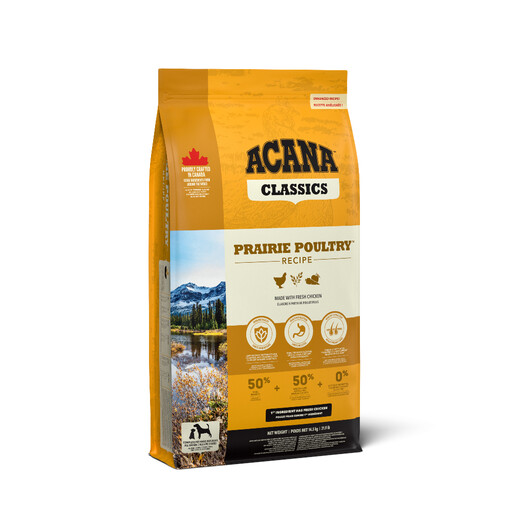
Why it suits this profile: The large bag is intended for households that use dry food every day and are looking for a recipe with several poultry sources.
The product information explicitly lists chicken, turkey and oats. This shows that “50% animal ingredients” is not the same as one protein source.
27% crude protein, 16% fat, added probiotic cultures according to the product details, and complete nutrition for all life stages.
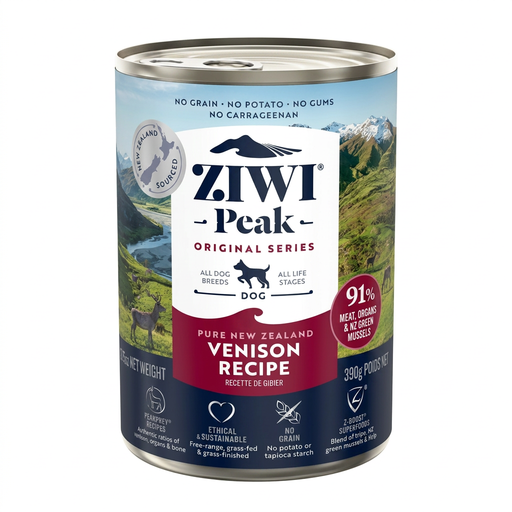
Why it suits this profile: According to the product description, this wet food uses venison as its only named protein source and is suitable for dogs for which you are looking for a recipe with a less common protein source.
The protein source is clearly stated. This does not rule out an individual sensitivity, so always check the label and seek advice if symptoms persist.
Complete wet food, grain-free composition according to the product information, and 390 g per tin.
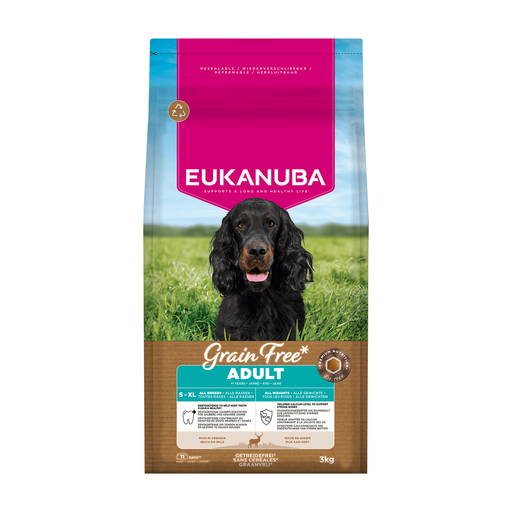
Why it suits this profile: A medium-sized pack and a recipe with venison provide a practical option for adult dogs of different breeds.
The product description states that the recipe is grain-free and contains peas and gluten-free sweet potato. Check the current packaging and full composition before buying.
For adult dogs of all breeds, 3 kg pack and an alternative to chicken-based dog food.
When introducing a new recipe, it is best to switch over gradually over about seven days. Mix a little more of the new food with the old food each time, and monitor your dog’s appetite and stools. Stop experimenting if your dog clearly develops symptoms and seek professional advice.
Store dry dog food sealed in a cool, dry place. Wet dog food is best served at room temperature. According to the label, leftovers should be stored in the refrigerator. With every order, check the best-before date, pack size and nutritional status.
Do you also have a cat? Pay attention to the difference between dog food, cat food and grain-free cat food. Dogs and cats do not have the same nutritional needs. Do not feed cat food to a dog, or vice versa, on a regular basis.
We have put together a complete, up-to-date list of products that fully meet these strict selection criteria and the applicable European safety regulations.
No. Grain-free is a specific composition, not a general requirement. Consider your dog’s tolerance and the full ingredients list. If you suspect a food sensitivity, guidance from a vet is more sensible than simply switching to a grain-free option.
This varies by product. Dry food should be stored tightly sealed and kept dry. Wet food usually needs to be refrigerated after opening and used within the period stated on the label. Always check the packaging, as storage instructions vary by brand and recipe.
Not always. Dry food often has a lower price per kilogram and is practical in large packs. Wet food contains more moisture and is often sold in smaller portions. Compare the daily cost based on the recommended amount, rather than looking only at the pack price.
