
Vandaag of morgen in huis

Kwaliteit gegarandeerd

Welkomstaanbiedingen ontgrendelen: GRATIS bezorging | Tot 80% korting | Gratis 30 dagen JoyPlus-proefperiode
Download de app
Choosing dog food seems simple until you compare labels, flavours, breed sizes and nutritional claims side by side. A large bag of dry dog food may look good value, while your dog may need more grams per day. A grain-free formula may sound suitable for a sensitive dog, but grain-free does not automatically mean it is a better fit. And an appealing image of chicken, lamb or beef says little about the recipe as a whole.
With these practical selection tips, you can compare dog food based on verifiable information. This makes it easier to find complete and balanced dog food for a puppy, adult dog or senior.
Words such as “natural”, “premium” or “with meat” do not always give you the full picture. Check the ingredients list and analytical constituents. If chicken is listed as the first ingredient, for example, also check which other animal protein sources have been added.
Also pay attention to the difference between:
Grain-free dog food contains no grains, but it may still contain peas, potatoes or other sources of carbohydrates. A dog with a food sensitivity may also react to an animal protein. According to brands’ own product information, alternative protein sources such as lamb, venison or game are used for dogs with specific dietary needs. This does not guarantee that every sensitive dog will tolerate this food.
If symptoms persist, consulting a vet is wiser than repeatedly changing your dog’s food yourself.
A 12 or 15 kg bag often has a lower price per kilogram than a smaller pack, but the right choice depends on the daily portion, shelf life and available storage space. Wet dog food contains a lot of moisture and is usually served per meal or tin. As a result, its price per kilogram is not always directly comparable with dry food.
First, choose food that is suitable for your dog’s life stage:
A medium-sized adult dog aged 1 to 7 years has different nutritional needs from a large-breed puppy. Always check the recommended age, body weight and activity level on the packaging.
Do not compare only the flavour name; check the composition too. Examples include:
Farmina N&D Pumpkin Lamb Adult Small Dog Food lists, according to the product information, 22% fresh lamb and 20% dried lamb, among other ingredients. The formula also contains pea starch and pumpkin. This is more specific than simply describing the product as “with lamb”.
The percentages for protein, fat, fibre, ash and moisture help you compare products within the same category. Do not compare wet dog food directly with dry food without taking the moisture content into account.
Follow the feeding guide on the packaging and adjust the portion according to weight, age, activity and body condition. When changing food, a gradual transition over around seven to ten days is a practical approach. Always provide fresh drinking water.
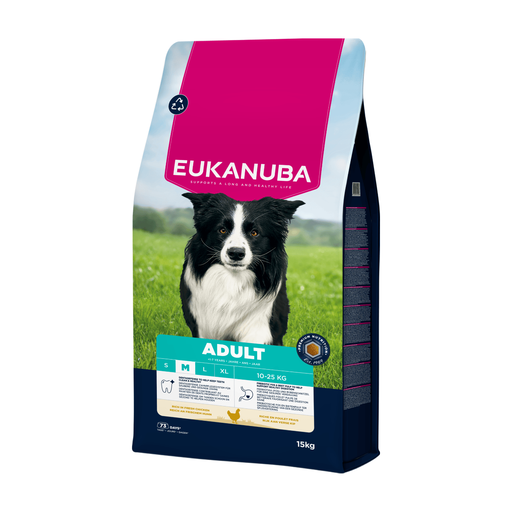
Why it suits this profile: The 15 kg bag is practical for households with a medium-sized adult dog that eats dry dog food every day.
The product information clearly states the target group, life stage and nutritional status: complete and balanced food for medium-sized adult dogs aged 1 to 7 years.
Chicken as the named main ingredient, a fibre blend with FOS and beet pulp, and a kibble shape featuring DentaDefense, according to the product description.
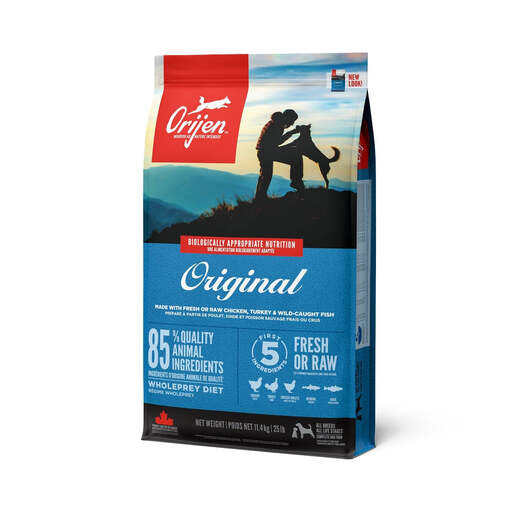
Why it suits this profile: Suitable for anyone who wants to compare an extensive dry food recipe with multiple animal ingredients and a detailed composition.
The ingredient percentages and analytical values are listed in detail. This allows you to compare the claims about chicken, turkey and fish with the actual composition.
According to the product information, the food contains 38% crude protein, 18% crude fat and several animal ingredients, including fresh chicken, turkey, herring, cod and egg.
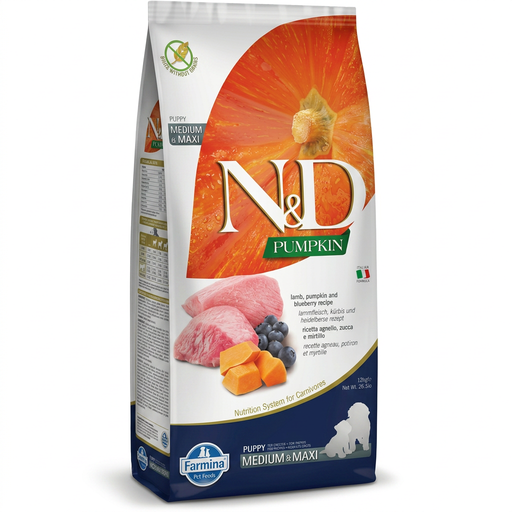
Why it suits this profile: Designed for owners of medium- or large-breed puppies who are looking for food suitable for the growth stage.
The product name and legal description refer to complete food for medium- and large-breed puppies. The feeding guide is linked to the puppy’s weight.
According to the product information, the recipe is grain-free and contains lamb, herring, pumpkin, peas and chickpeas. The pack contains 12 kg.
Dry dog food is easy to measure, often practical in larger bags and simple to store in an airtight container. Kibble size deserves extra attention for small breeds and puppies. Wet dog food generally has a higher moisture content, and its soft texture can appeal to dogs that find hard kibble more difficult to eat.
Examples from the range include Ziwi PEAK Dog Cans Venison 390 g, with venison as the only named protein source, Rosewood Dog Paté Chicken & Beef Flavor and RENO Dog Chunks Sauce Beef 1.24 kg. According to the product information, these products should be refrigerated after opening and used within a maximum of 48 hours or two days. Always check the label.
We have compiled a complete, up-to-date list of products that fully meet these strict selection criteria and the applicable European safety regulations.
Choose puppy food that is clearly intended for the right breed size and growth stage. Pay attention to the feeding guide by weight and divide the daily amount according to the instructions on the packaging. For large breeds, a formula for medium- and large-breed puppies is often more practical than standard food for all ages.
Gradually mix the new food with the old food, for example over seven to ten days. Increase the proportion of new food every few days and monitor how your dog responds. Keep an eye on the portion size and make sure fresh drinking water is available.
It can be, particularly with dry dog food, but compare the price per kilogram as well as the recommended daily amount. A smaller bag may be the wiser choice if your dog eats slowly, you have limited storage space or you want to check first whether your dog accepts the recipe well.
