
Vandaag of morgen in huis

Kwaliteit gegarandeerd

Welkomstaanbiedingen ontgrendelen: GRATIS bezorging | Tot 80% korting | Gratis 30 dagen JoyPlus-proefperiode
Download de app
A bag of dry food or a tin of wet dog food may seem like a quick choice. However, products vary considerably in composition, nutritional value, portion size and intended use. An attractive photo of meat, for example, tells you little about the proportion of animal-based ingredients. Terms such as “grain-free”, “natural” and “for sensitive dogs” are not automatic guarantees that a product is right for your dog.
Use these practical checks to compare dog food based on information that actually appears on the label or in the product description.
A product with “beef” or “chicken” on the front does not have to consist exclusively of that animal source. Always check the full ingredients list. According to the product description, Pedigree Dog Jerky Treats Beef Flavor consists of 95% meat and animal derivatives, of which 4% is beef. The name “beef flavour” therefore does not mean the same as dog food with beef as the main ingredient.
Grain-free dog food may suit a specific dietary choice, but being grain-free does not necessarily make a product more complete or easier to digest. Also look at the replacement ingredients, such as potato, peas, chickpeas or sweet potato. For example, Ziwi PEAK Venison lists chickpeas alongside venison in its ingredients.
If your dog experiences recurring problems after eating, do not keep changing its food without professional guidance. Discuss an elimination diet or dietary change with your vet. The term hypoallergenic dog food is not a universal guarantee either; always check which protein sources are actually present.
Dog treats are intended as a supplement or reward. According to the product description, MeatyWay Chicken Thin Tenders and MeatyWay Chicken and Purple Sweet Potato are labelled as complementary feed. They therefore do not replace complete dog food. Vitakraft Beef Stick states that treats should make up no more than 10% of the daily calorie intake. Adjust the main meal if you reward your dog regularly.
Look for complete pet food or a similar legally recognised designation on the packaging. A complete product is intended to be given as a daily food, according to the feeding guidelines. A complementary product, such as many treats and single-protein meat products, has a different purpose.
Also pay attention to the life stage. Some products are intended for adult dogs, while others are described as suitable for all life stages. The amount also depends on your dog’s weight, age, activity level and body condition.
Do not compare the percentage of crude protein alone. Also look at:
For example, Acana Classics Grasslands Poultry lists 27% crude protein, 16% crude fat and 12% moisture. Orijen Whole Prey Healthy Coat lists 38% crude protein, 18% crude fat and 12% moisture. These figures can be checked, but on their own they do not tell you which product is right for every dog.
A large pack is only economical if your dog tolerates the food well and you use it within its shelf life. Take extra care with wet dog food after opening. Several of the products described recommend storing leftovers covered in the fridge and using them within 48 hours.
A multipack of dog food with small portions can be useful for variety, portion control or households with a small dog. However, check the total amount given each day. For dry dog food, resealability, kibble size and storage in a cool, dry place are important.
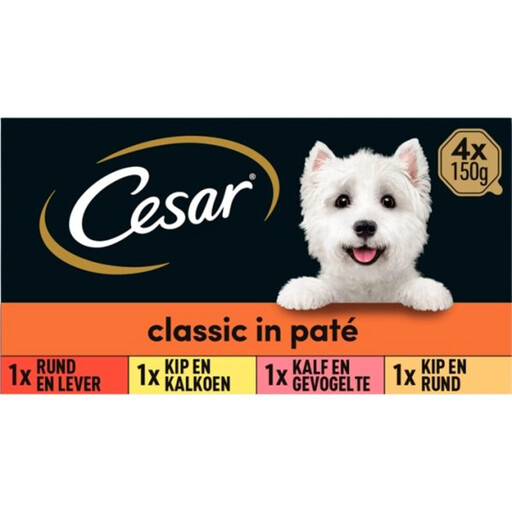
Why it suits this profile: The 150 g portions and four varieties make this multipack easy to manage for owners of adult dogs who want to offer different flavours without immediately buying a large pack.
The description clearly states that this is complete wet food for adult dogs. The individual varieties and compositions are visible in advance.
Four portions, 150 g per portion and a stated shelf life of up to 48 hours after opening when stored in the fridge.
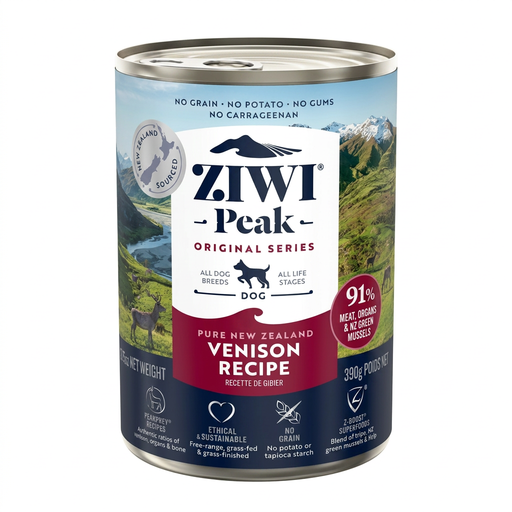
Why it suits this profile: According to the product description, this is complete wet food with venison as the sole animal protein source. It may appeal to anyone who prefers to keep the ingredients list straightforward.
The ingredients and analytical values are specified. Always check that venison and the other ingredients fit your dog’s feeding plan.
390 g per tin, minimum 10% crude protein, minimum 4% crude fat and maximum 78% moisture according to the product information.
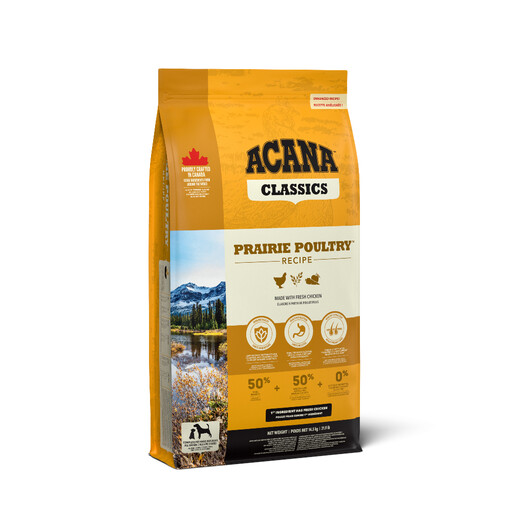
Why it suits this profile: The large bag is practical for households with several dogs or dogs that eat dry food every day. The product description states that it is suitable for all life stages.
The label states specific percentages for protein, fat, fibre and moisture. This allows you to compare products based on figures rather than terms such as “premium” or “natural”.
14.5 kg pack, 27% crude protein, 16% crude fat and 12% moisture according to the product details.
We’ve put together a complete, up-to-date list of products that fully meet these strict selection criteria and the applicable European safety regulations.
Wet dog food generally contains much more moisture and is often sold in tins, trays or pouches. Dry dog food has a lower moisture content and is easier to store for longer after opening. For both types, check whether the food is described as complete or complementary, as well as the ingredients and feeding guidelines.
This varies by product. Many of the wet food products described recommend keeping them in the fridge for a maximum of 48 hours after opening. Seal the food properly and always check the packaging. Store dry food in a cool, dry place in a sealed container and use it within the stated shelf life.
Not automatically. Grain-free dog food may suit a particular preference or dietary situation, but the composition remains the deciding factor. Check which ingredients replace grains and consult a vet if you suspect a food sensitivity.
