
Vandaag of morgen in huis

Kwaliteit gegarandeerd

Welkomstaanbiedingen ontgrendelen: GRATIS bezorging | Tot 80% korting | Gratis 30 dagen JoyPlus-proefperiode
Download de app
Buying a new bag of dog food or a few trays of wet dog food seems simple. Yet products can vary considerably in ingredients, energy content, texture and suitability for a particular life stage. Attractive packaging says little about whether the food is right for your dog.
Pay particular attention to these three common pitfalls:
The packaging states whether the product is intended as complete feed or complementary feed. Complete food is formulated to serve as a daily meal, in line with the feeding guidelines on the packaging. Use a snack, topper or treat alongside your dog’s usual meal.
For example, INABA Churu Dog Multipack explicitly states that it is complementary feed. According to the product information, it has a moisture content of at least 90% and is intended as a treat, reward or topper. Do not use it as a replacement for dry or wet food.
A puppy has different nutritional needs from an adult or older dog. Look out for terms such as adult dog food, puppy food and senior dog food. Also check whether the food is intended for small, medium-sized or large breeds.
The recommended amount is a starting point. Adjust the portion according to your dog’s weight, activity level and body condition. When switching foods, it is sensible to mix the new food gradually with the old food. This helps reduce the risk of temporary digestive problems.
The ingredients list shows which raw materials have been used. The analytical constituents indicate, among other things, the percentages of protein, fat, crude fibre, crude ash and moisture. Compare products within the same category and take the difference between dry and wet food into account.
Dog kibble generally has a lower moisture content than dog pâté or tinned food. As a result, you cannot compare percentages directly without looking at the full composition and feeding guidelines. Also check:
A product containing chicken is not automatically suitable for every dog. The same applies to lamb dog food or fish dog food. If your dog has a known allergy or persistent symptoms, it is sensible to consult a vet. Always consider a marketing term such as “low allergen” alongside the full ingredients list.
The choices below are based on the product details provided, such as life stage, composition, size and feed status. Claims relating to digestion, coat, teeth or joints are not guaranteed results; where they are mentioned, they come from the brand’s product information.
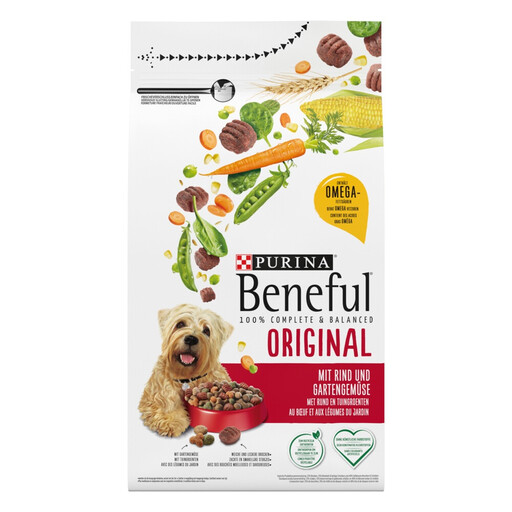
Why it suits this profile: This dry food is intended for adult dogs of all weights and comes in a 1.4kg bag. That makes it easy to try a smaller quantity first.
The product information states that this is 100% complete and balanced food for adult dogs. The feeding table lists quantities for dogs weighing between 5 and 30kg.
Dry food with 15% protein, 8% fat and 12% moisture according to the stated analysis. The composition contains wholegrains and comes in a 1.4kg pack.
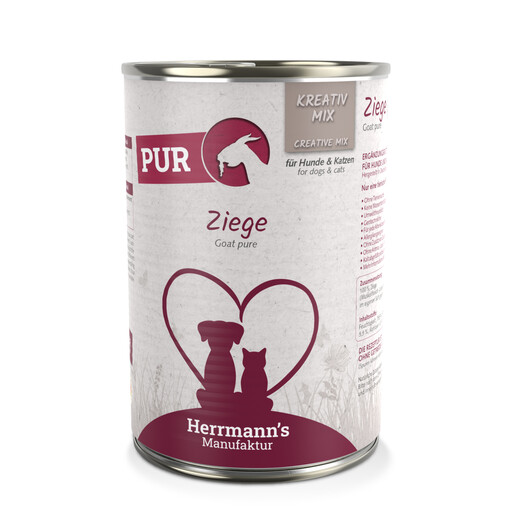
Why it suits this profile: If you are looking for a short ingredients list and a specific animal protein source, this product contains goat meat as the only stated type of meat.
The composition is clearly specified as 100% goat: muscle meat, lung and heart. However, check the packaging to confirm whether the product is complete or complementary feed.
400g of wet food with 10.4% protein, 5% fat and 79.9% moisture according to the analysis provided. The ingredients list names muscle meat, lung and heart.
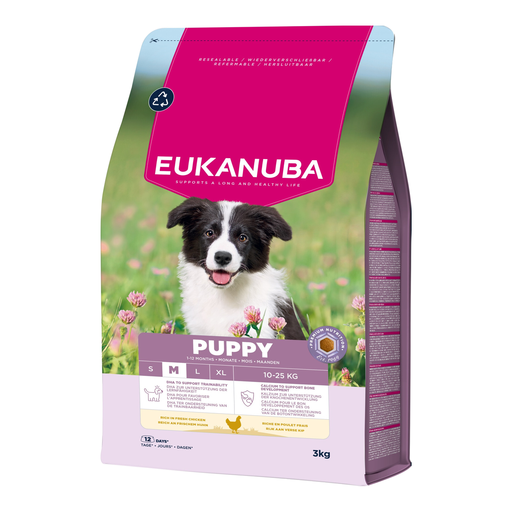
Why it suits this profile: This dry food is specifically intended for puppies of medium-sized breeds aged 1 to 12 months and comes in a 3kg pack.
The age range and breed size are clearly stated. This helps prevent you from choosing a general adult formula for a puppy.
The product description lists chicken as a key ingredient source and states that it is a complete and balanced formula for medium-sized puppies.
We have put together a complete, up-to-date list of products that fully meet these strict selection criteria and the applicable European safety regulations.
Dry dog food is easy to weigh out and practical for everyday use. Pay attention to the kibble size, especially for small breeds. Wet dog food, dog pâté and tinned food contain more moisture and often have a softer texture. Once opened, they should be stored in the fridge and used within the stated period, as indicated on the label.
Dog treats are suitable as rewards, but remember to take your dog’s total calorie intake into account. For example, INABA Fun Bites Dog Chicken Wraps state a daily guideline for each dog size and recommend that treats make up no more than 10% of the daily calorie intake. This is practical guidance, not a replacement for a complete meal.
Mix the new food gradually with the old food, for example over the course of about a week. Start with a small amount of the new food and increase it step by step. Monitor your dog’s stools, appetite and behaviour. If problems persist, contact a vet.
Always follow the label instructions. Many products in this selection advise storing opened portions sealed in the fridge and using them within 48 hours. Some treats, such as liquid tubes, have a shorter recommended period of use after opening.
This depends on your dog’s weight, age, activity level and body condition. Use the feeding table on the packaging as a starting point and adjust the portion if your dog gains weight, loses weight or is clearly more or less active. Remember to include dog treats in the total.
