
Vandaag of morgen in huis

Kwaliteit gegarandeerd

Welkomstaanbiedingen ontgrendelen: GRATIS bezorging | Tot 80% korting | Gratis 30 dagen JoyPlus-proefperiode
Download de app
Finding the right food for your dog seems simple, until you place the labels side by side. Words such as “natural”, “grain-free” and “high in meat” sound convincing, but they do not always tell you whether a product is suitable for your dog’s age, size, activity level or sensitivities.
As a Joybuy Product Recommendation Officer, I therefore start with verifiable information: complete or complementary pet food, animal species, life stage, analytical constituents, ingredients list, packaging and feeding guidance. This helps you avoid paying mainly for attractive packaging or a claim that says little about whether the product is suitable for everyday use.
Grain-free dog food contains no grains, but it may still contain pulses, potato or other sources of carbohydrates. Grain-free is therefore a compositional characteristic, not a general guarantee of quality. Always check the full ingredients list and see whether the product is intended as complete pet food.
A percentage may refer to fresh meat, dried meat, organs and bones combined. The moisture content also plays a major role in wet dog food. You cannot directly compare a tin containing 78% moisture with dry dog food containing around 10% moisture. You should therefore also look at crude protein, crude fat, crude ash, crude fibre and moisture.
Dog treats are usually complementary food. They can be used as rewards, but they do not automatically replace a complete meal. A practical guideline on many packages is that treats should make up no more than approximately 10% of your dog’s daily calorie intake. Adjust the main meal if you give lots of rewards every day.
The label should clearly state whether the product is complete food or complementary feed. Complete food is intended as a daily meal for the stated animal species and life stage. INABA Churu, for example, is complementary food for cats and not a complete meal. It can be used as a snack, topping or hand-fed treat.
Also pay attention to the intended group:
When choosing venison dog food, horse dog food or rabbit dog food, it is important to check which animal ingredients are actually present. If a single animal protein source is listed, this can make things clearer for owners who want to exclude ingredients carefully. If you suspect a food allergy or your dog has persistent symptoms, discuss the choice with a vet; a product label is not a diagnosis.
Examples from the range:
Do not compare the price per kilogram alone. Also calculate how much your dog needs each day and how many days a package will last. Wet food often comes in smaller packs by weight and needs to be refrigerated after opening. According to the product information, the 170 g and 390 g Ziwi PEAK tins must be refrigerated after opening and used within two days.
For dry dog food, bag size and ease of storage are important. Farmina N&D Quinoa Skin & Coat Adult Medi/Maxi is a 7 kg bag containing 32% crude protein, 18% crude fat and 10% moisture, intended for adult dogs of medium and large breeds. Farmina N&D Tropical Pork Adult Medi/Maxi is available in a 10 kg package and, according to the product description, is intended as complete food for adult dogs.
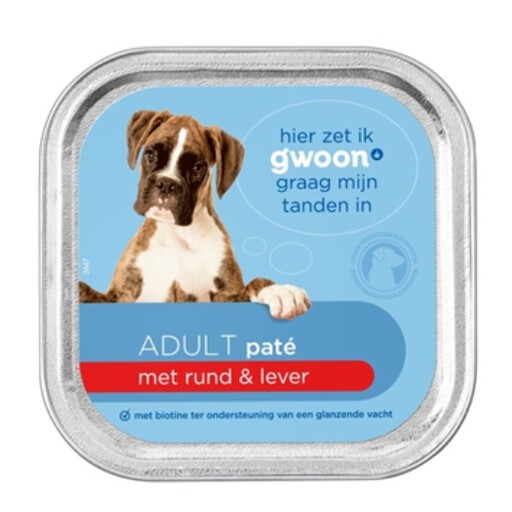
Why this suits the profile: A single 150 g cup is a manageable option for anyone who wants to try a smaller package first. The soft pâté texture may be practical for dogs that prefer wet food.
The product information lists beef and liver as the main ingredients and states that it is food for adult dogs. Check the packaging to confirm whether the product is complete food for your intended use.
150 g per cup; ingredients and allergen information are available; according to the description, unused portions can be refrigerated for 48 hours.
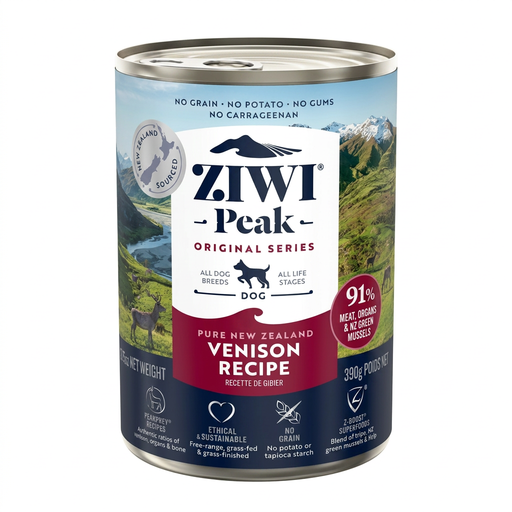
Why this suits the profile: This larger tin is suited to owners who use wet dog food as a main meal and are looking for a recipe with one stated animal protein source.
The composition lists venison, organs and bones and contains no grains. The analytical values are clearly shown: a minimum of 10% crude protein, a minimum of 4% crude fat and a maximum of 78% moisture.
390 g package; grain-free composition according to the product information; described as complete wet dog food for all breeds and life stages.
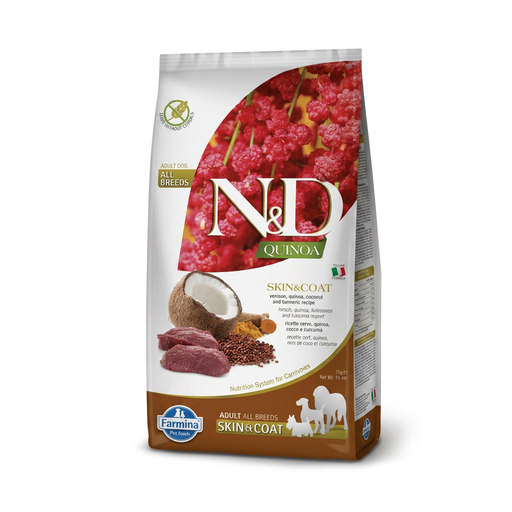
Why this suits the profile: The 7 kg bag is aimed at adult dogs of medium and large breeds. According to the product information, the composition contains venison, quinoa and no grains.
You can compare the marketing claims with concrete figures: 32% crude protein, 18% crude fat, 2% crude fibre and 10% moisture. It is described as complete food for adult dogs.
7 kg bulk package; intended for medium and large adult dogs; ingredients list featuring venison, quinoa, fish oil and linseed.
We have put together a complete, up-to-date list of products that fully meet these strict selection criteria and the applicable European safety regulations.
Switch to a new food gradually. Mix the new food with the old food according to the product guidance over approximately seven days. This also helps you identify sooner whether your dog accepts the product. Keep portions appropriate for weight, age and activity level, and always provide fresh drinking water.
Store dry dog food sealed in a cool, dry place. Keep opened wet food covered in the fridge and follow the storage period stated on the label. Give treats such as Rosewood Dog Salmon Fillet Strips or G'woon Beef Strips as a supplement, and check the composition if your dog reacts sensitively to beef, fish or grains.
Not necessarily. Wet food generally contains more moisture and is often sold in smaller portions. Dry food is easy to portion and store. The right choice depends on the complete composition, life stage, your dog’s preference and your daily routine.
This varies by product. The Ziwi PEAK tins state that opened food should be refrigerated and used within two days. Always follow the label and use your senses: if the food has an unusual smell, colour or texture, it is best not to feed it to your dog.
Start by looking for a short, clear ingredients list, the stated protein sources and whether the product is described as complete or complementary food. Dog food for sensitive dogs is not a medical treatment. If your dog has recurring symptoms, itching, diarrhoea or weight loss, it is sensible to consult a vet before trying several different foods one after another.
