
Vandaag of morgen in huis

Kwaliteit gegarandeerd

Welkomstaanbiedingen ontgrendelen: GRATIS bezorging | Tot 80% korting | Gratis 30 dagen JoyPlus-proefperiode
Download de app
A bag of dog food featuring words such as “natural”, “grain-free” or “premium” can quickly seem like an obvious choice. However, these terms do not always tell you enough about whether the food is suitable for your dog. The right choice mainly depends on the product’s life stage, body size, activity level, composition and nutritional status.
As Joybuy Product Recommendation Officer, I filter the most important product information so that you can compare offers more effectively and are less likely to pay for a claim that is not right for your dog.
Dog food containing chicken, lamb or sweet potato may sound appealing, but first check whether it is complete dog food. The label will usually include a legally defined term such as “complete pet food” or “complementary pet food”.
A complementary product, such as a snack or treat, is not intended to be a dog’s everyday main meal. According to the product information, INABA Fun Bites Dog Chicken Wraps contain 82% moisture and are intended as a treat. The packaging also states that the product is not a replacement for a complete meal.
Grain-free dog food contains no grains, but that does not automatically mean it is necessary or suitable for every dog. Grain-free recipes often use other carbohydrate sources, such as peas, lentils, chickpeas or sweet potato.
That is why you should look at the full ingredients list rather than just the front of the packaging. When choosing food for sensitive dogs, it is also important to check all animal protein sources. For example, a recipe with lamb may also contain chicken or fish.
Dry dog food in 11 to 15 kg bags can be practical for large dogs or households with several dogs. For a small dog, however, an opened bag may remain unused for a long time. Store kibble in a cool, dry place and keep it securely sealed. Also check the best-before date and adjust the daily amount according to your dog’s activity level and body condition.
The same applies to treats: a small pack may be more convenient if you only give rewards occasionally. Include the calories from dog treats in your dog’s total daily intake whenever that information is available.
Puppy food is formulated for growth and often has a different nutritional balance from food for adult dogs. Also check whether the product is intended for:
Products for small breeds often contain smaller kibble. For medium and large breeds, kibble size and the recommended portion are other important considerations. Always use the feeding guide on the packaging as a starting point, then take your dog’s weight, activity level and body condition into account.
Complete food is intended to be given as a daily meal, in accordance with the feeding instructions. Complementary food is intended as a snack, treat or addition.
Examples from the range:
The ingredients list shows which raw materials are used. The analytical constituents include the percentages of crude protein, crude fat, crude fibre, ash and moisture. These figures are useful for comparison, but they do not tell you everything about your individual dog’s needs.
When choosing dog food containing lamb, chicken, beef or game, check the full composition. If your dog has previously reacted to certain ingredients, discuss a tailored feeding plan with a vet. Product claims about sensitive stomachs, skin, joints or the immune system come from the product description or the brand and should not be interpreted as medical effects.
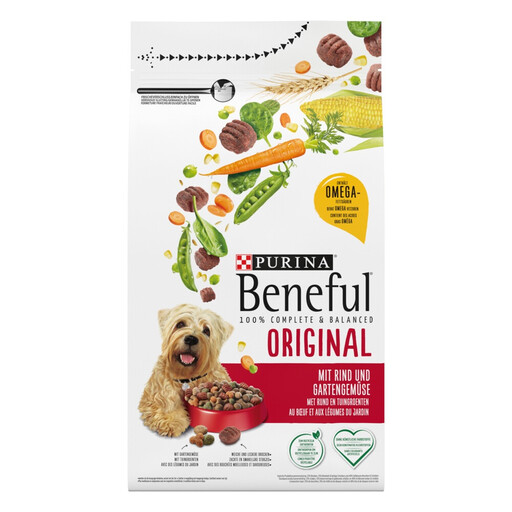
Why it suits this profile: A manageable 1.4 kg pack for an adult dog and for owners who want to try a smaller quantity first.
The product information states that this is complete and balanced food for adult dogs. Check the current packaging for the full composition.
According to the product data, it contains grains, with 15% crude protein and 8% fat. The portion can be adjusted according to weight and activity level.
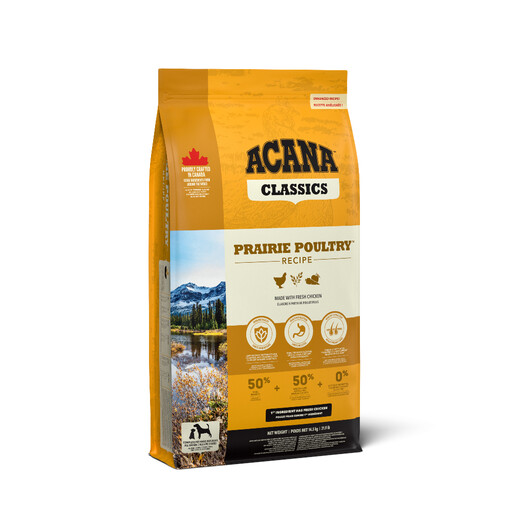
Why it suits this profile: Ideal for anyone looking for a large pack containing chicken, turkey, oats and vegetables as everyday food.
The product information lists the ingredient percentages and describes the product as complete food for all life stages. This allows you to compare the marketing claim with the composition.
According to the product specifications, it contains 27% crude protein, 16% fat and 12% moisture. The composition includes chicken, turkey and oats, among other ingredients.
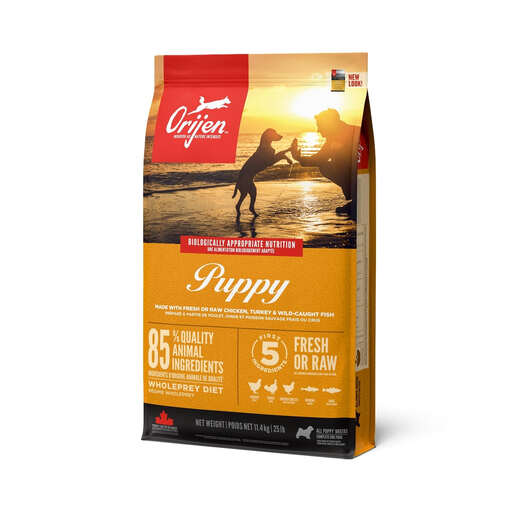
Why it suits this profile: A large pack for puppies of different breeds, with a grain-free recipe containing several animal ingredients.
The product details explicitly state the target group, nutritional status and a gradual transition period of 7 to 10 days. This makes it easier to check whether it suits your situation.
According to the product description, the formula contains at least 38% crude protein and 18% fat. The kibble is intended for puppies; check the portion according to age and weight.
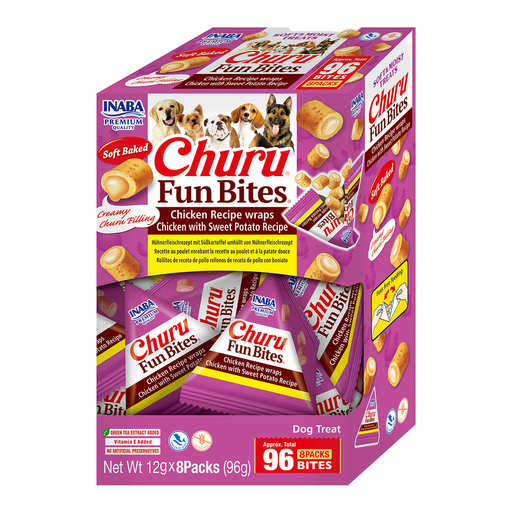
Why it suits this profile: A soft treat in a pouch for training, journeys or rewarding your dog between meals.
The product information describes this as complementary pet food and clearly states that it does not replace a complete meal.
According to the label, it contains chicken, chicken broth and sweet potato. The moisture content is 82%, and the recommended amount is 1–2 pouches per day as a reward.
We have put together a complete, up-to-date list of products that fully meet these strict selection criteria and the applicable European safety regulations.
Switch to new dog food gradually. Start by mixing a small amount of the new food with your dog’s familiar food, then increase it over approximately a week. Do not simply stop feeding food that your dog tolerates well just to follow a marketing claim.
Store dry dog food in its original, securely sealed bag in a cool, dry place. Open wet snacks or soft treats according to the packaging instructions; INABA, for example, states that an opened pouch should be refrigerated and used within 24 hours.
There is no single recipe that works in the same way for every sensitive dog. Look for a limited, clearly stated ingredients list, check all protein sources and change food gradually. If symptoms persist, it is advisable to consult a vet.
No, grain-free food is not automatically necessary. Some dog owners choose it because of a specific sensitivity or personal preference. Always compare the overall composition, nutritional status and suitability for your dog’s life stage.
This varies by brand, packaging and storage advice. Always seal the bag securely, store it in a dry place and check the best-before date. Do not buy a larger pack than your dog can eat within a reasonable period.
