
Vandaag of morgen in huis

Kwaliteit gegarandeerd

Welkomstaanbiedingen ontgrendelen: GRATIS bezorging | Tot 80% korting | Gratis 30 dagen JoyPlus-proefperiode
Download de app
A bag of dog food featuring words such as “premium”, “grain-free” or “natural ingredients” can quickly seem like the obvious choice. However, these terms do not automatically tell you whether the food is suitable for your dog. Their age, size, activity level and any sensitivities are far more important.
As a Joybuy Product Recommendation Officer, I filter product information down to practical details. This allows you to compare dog food based on verifiable specifications, rather than relying solely on eye-catching claims on the packaging.
“With chicken”, “with fish” or “with lamb” says little about the overall composition on its own. Check whether the product is labelled as complete pet food. Only then is it intended to be fed as a main meal, according to the feeding instructions on the packaging.
Also look at the analysis of crude protein, fat, fibre, ash and moisture. A high protein percentage is not automatically right for every dog. A calm dog, for example, has different energy requirements from an active dog.
Grain-free dog food contains no grains, but it may still contain other protein or carbohydrate sources that a dog is sensitive to. A recipe containing fish, peas or sweet potato is therefore not automatically suitable for a food intolerance.
If you suspect an allergy or intolerance, it is sensible to consult a vet. Veterinary diets, such as hypoallergenic dog food with hydrolysed protein, are intended for a more specific nutritional purpose and require extra care when choosing.
A 12 or 15 kg bag may appear good value, but only if your dog tolerates the food well and eats it within a reasonable period. Store dry food sealed, somewhere cool and dry. An opened bag that remains open for a long time may lose its aroma and freshness.
When introducing new dog food, change over gradually, usually over at least seven days. Mix increasing amounts of the new food with the old food to make the transition gentler.
Choose dog food suitable for the correct life stage:
Do not just look for the word “adult” or “senior”. Also check the stated age range and breed or weight category.
Ingredients are generally listed in descending order by weight. Check which animal protein sources appear first and whether the food contains ingredients you specifically want to avoid.
Some practical examples:
Claims about supporting the skin, coat, joints or digestion should be read as product information from the brand. A brand’s own research or formulation is not a guarantee of the same result for every dog.
Check the legal product name and the daily feeding table. The recommended amount depends on weight, age, activity, surroundings and body condition. Use the table as a starting point and monitor your dog’s weight and condition.
Fresh drinking water should always be available. For a veterinary product, such as a heart or hypoallergenic diet, consult a vet before changing over.
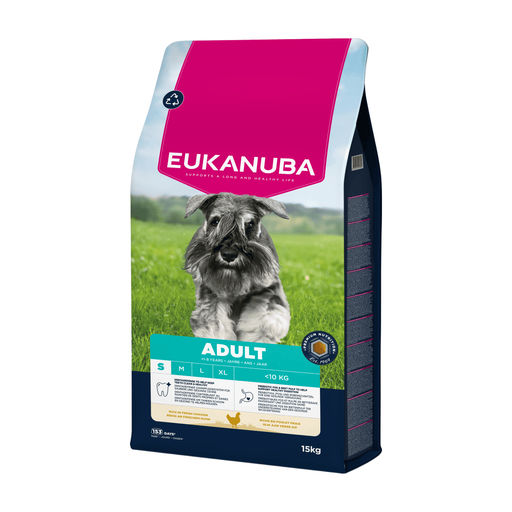
Why it suits this profile: This is complete dry food for small adult dogs aged 1 to 8 years, supplied in a large pack for households that feed regularly.
The product description explicitly states “100% complete and balanced” and gives an indication of the suitable age and size. This means you do not have to rely solely on the term premium.
Chicken as the stated animal protein source, a fibre blend with FOS and beet pulp, plus kibble tailored to small dogs.
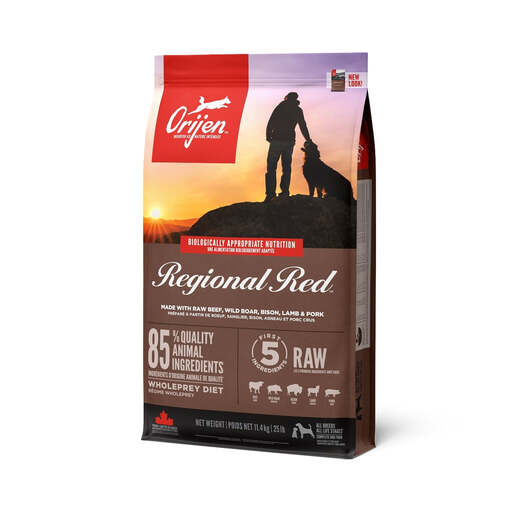
Why it suits this profile: For dog owners looking for a comprehensive recipe containing multiple animal ingredients and a high stated protein content.
The full ingredients list and analytical constituents are available. You can therefore check the content of 38% crude protein and 18% crude fat instead of following an isolated marketing claim.
Recipe with beef, wild boar, bison, lamb and pork; according to the product information, it also contains omega-3, glucosamine and chondroitin.
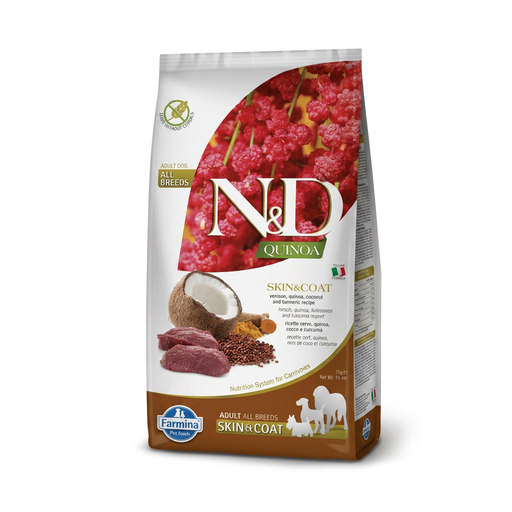
Why it suits this profile: For owners of adult medium to large dogs considering grain-free dog food and a recipe containing venison and quinoa.
The product information specifies the life stage, size and main ingredients. “Grain-free” is therefore supported by concrete composition details.
32% crude protein, 18% crude fat, venison as the primary protein source and quinoa as a listed ingredient; the packaging states that it is complete food for adult medium to large dogs.
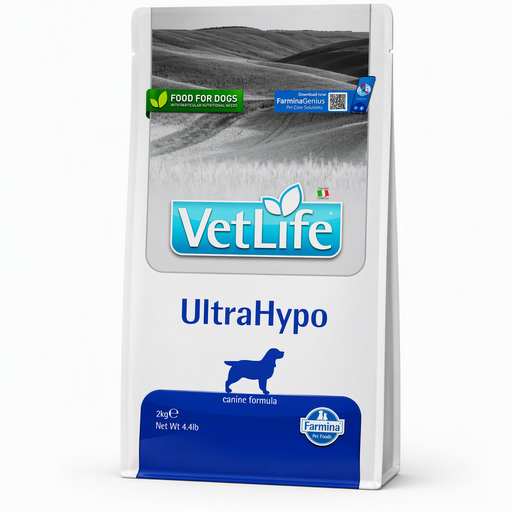
Why it suits this profile: This product is intended for a more specific dietary plan containing hydrolysed fish protein and rice starch. Do not use it without appropriate advice.
The product description provides a limited ingredients list and states that consultation with a vet is required. This prevents hypoallergenic from being used as a general marketing term.
Hydrolysed fish protein as the protein source, rice starch as the carbohydrate source, and an analysis including 18% crude protein and 15% crude fat.
For senior dogs, there are variants such as Eukanuba Life Care dog senior large chicken 15kg and Eukanuba Life Care dog senior small chicken 3kg. For dogs that cannot eat chicken, Eukanuba Grain Free dog adult small/medium ocean fish 3kg may be worth considering. The range also includes Farmina N&D recipes with cod, salmon or lamb, including options for small dogs and sensitive digestion.
Always compare the full ingredients list, nutritional values, kibble size and feeding table. This will help you find premium dog food more effectively, without paying for a claim that is not relevant to your dog.
We have compiled a complete, up-to-date list of products that fully meet these strict selection criteria and the applicable European safety regulations.
The daily amount is stated on the packaging and depends on weight, age and activity level. Many adult dogs have their portion divided between two meals. Monitor your dog’s weight and body condition, and adjust the amount if necessary.
Store dry food somewhere cool and dry, and keep it tightly sealed. Follow the date and storage advice on the packaging. Do not buy a larger bag than your dog can eat within a reasonable period, especially if they are fussy or need a sensitive diet.
No. Itching or skin problems can have various causes. A hypoallergenic diet may form part of an elimination or dietary plan, but consult a vet first. Do not choose solely based on the words “grain-free” or “with fish”.
