
Vandaag of morgen in huis

Kwaliteit gegarandeerd

Welkomstaanbiedingen ontgrendelen: GRATIS bezorging | Tot 80% korting | Gratis 30 dagen JoyPlus-proefperiode
Download de app
A bag of dog food featuring words such as “premium”, “natural” or “grain-free” can quickly catch your eye. But these claims don’t always tell you whether the food is right for your dog. Age, size, activity level, taste preferences and feeding routine are just as important.
Packaging can be confusing, too. A product might show chicken on the front, even though grains or plant-based ingredients make up a large part of the recipe. Use the checks below to compare dry and wet dog food based on information actually shown on the label or in the product description.
Words such as “premium dog food”, “natural ingredients” and “supports the immune system” sound appealing, but they don’t give you the full picture. First, check:
Claims about things such as coat, joints or digestion often come from the brand itself. Put them into context: according to the brand’s product description, the recipe contains ingredients intended to support these areas. Don’t take this as a claim of medical benefit.
“Dog food with chicken” or “dog food with beef” doesn’t automatically mean that ingredient makes up the largest share. Some products, for example, only state a percentage for the named animal species. The Pedigree variety for small adult dogs lists grains, meat and animal derivatives, including 4% beef.
So check the ingredients rather than relying on the front of the pack. If your dog has a food intolerance or is on a special diet, discuss your choice with a vet.
Puppy food, adult dog food and senior dog food aren’t interchangeable. Puppies have different nutritional needs while they’re growing, compared with older dogs. Kibble size matters, too: small dogs may benefit from smaller pieces, while medium-sized and large dogs may need a different size and portion.
Also make sure you choose the right weight category. A product for small dogs isn’t automatically suitable for every dog below a certain weight, so always check the product details and feeding guide.
For everyday feeding, it’s best to choose a product explicitly labelled as complete food or complete pet food. Check whether it’s intended for:
For example, Eukanuba Life Care Puppy & Junior Small/Medium is described as suitable for puppies of small and medium breeds aged 1 to 12 months. Eukanuba Mature Small, on the other hand, is aimed at small adult dogs aged 8 to 11 years.
Don’t compare protein percentages alone. Check fat, fibre, ash and moisture, too. Dry dog food generally contains much less moisture than wet dog food, so the nutritional values aren’t directly comparable.
Pedigree Adult Small Dog, for example, lists 22% protein, 13% fat and 2.2% crude fibre in its product information. According to its product description, Beneful Healthy Weight contains 20% less fat than the original Beneful recipe. This is a brand claim; whether it’s suitable for your dog depends on their portion size, activity level and body condition.
A large bag is only good value if your dog can finish the food before its best-before date and you store it properly. Keep dry food in a well-sealed pack in a cool, dry place. Divide wet food into suitable portions and cover and refrigerate any opened packs. Several product descriptions recommend using opened wet food within 48 hours.
Always make sure fresh drinking water is available. If you’re switching to a different dog food, do it gradually over several days. This makes it easier to see how your dog responds to the change.
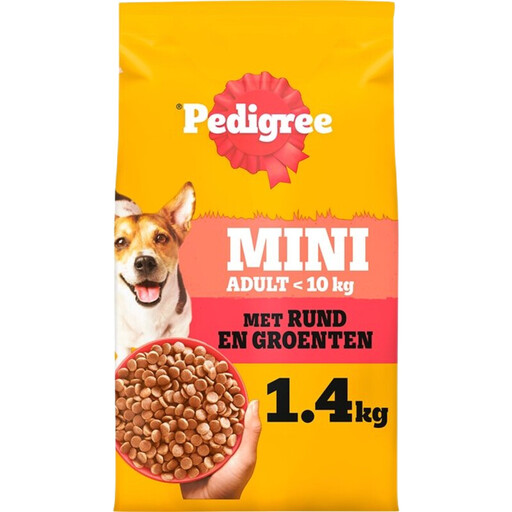
Why it suits this profile: This 1.4 kg pack is a manageable choice if you’re buying dry food for a small adult dog for the first time. The product information specifies a kibble size for small breeds and a daily feeding guide for dogs weighing 1 to 10 kg.
The age and weight categories are clearly stated. Do check the ingredients, though: “beef and vegetables” doesn’t mean that beef is the main ingredient here.
Dry food for small adult dogs; the product information lists 22% protein, 13% fat and specific portions for different body weights.
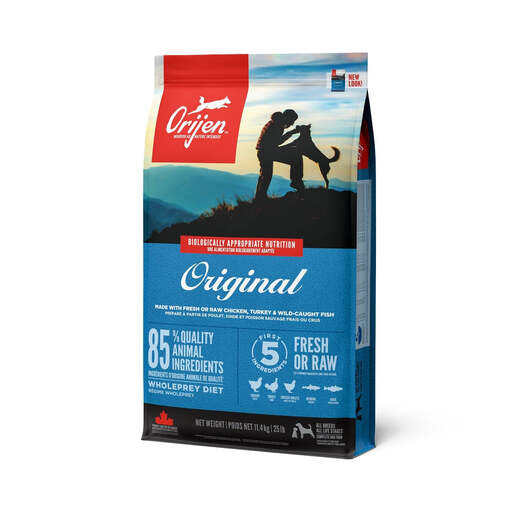
Why it suits this profile: The large pack and detailed ingredient information make this a good fit for dog owners who value a high proportion of animal ingredients and clear product details.
The ingredients and analytical values are listed in detail. This makes it easier to compare with other foods than relying on terms such as “grain-free” or “premium” alone.
The product information lists 38% crude protein, 18% fat and a pack weight of 11.4 kg; it’s intended as complete food for dogs at all life stages.
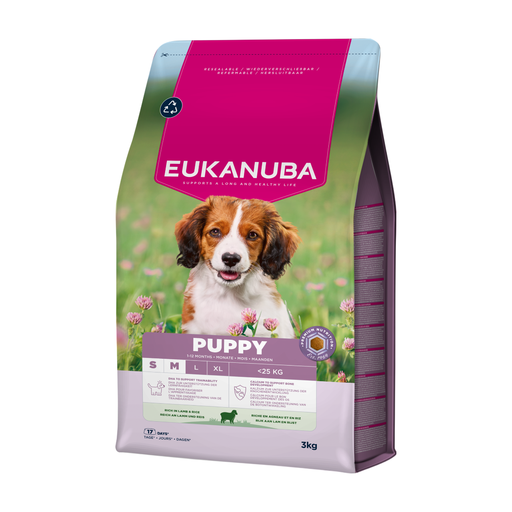
Why it suits this profile: This puppy food is formulated for growing small and medium-sized dogs aged 1 to 12 months. The age guidance helps you choose the right food for this early life stage.
It isn’t presented as general-purpose food for dogs of all ages, but specifically as puppy and junior food. Follow the feeding guide on the pack.
Dry kibble with lamb and rice; the product description also lists DHA, calcium and a fibre blend. These are product features, not medical guarantees.
We’ve put together a complete, up-to-date list of products that meet these strict selection criteria and the applicable European safety regulations.
It depends on your dog’s preferences, the portion size you want to serve and your daily routine. Dry food is easy to store and measure. Wet food contains more moisture and is often chosen for its soft texture. You can combine the two, but adjust the total amount so you don’t end up feeding too much without realising.
Gradually mix the new food with the old food over several days. Start with a small amount of the new food and increase it step by step. Keep an eye on your dog’s appetite, stools and body condition. If problems persist, or your dog has specific dietary needs, it’s a good idea to consult a vet.
Unopened dog food keeps until the date on the pack, provided you store it as directed. Keep dry food sealed in a cool, dry place. Cover opened wet food and store it in the fridge; according to the product information, it often needs to be used within 48 hours. Always check the label of the product you’ve chosen.
