
Vandaag of morgen in huis

Kwaliteit gegarandeerd

Welkomstaanbiedingen ontgrendelen: GRATIS bezorging | Tot 80% korting | Gratis 30 dagen JoyPlus-proefperiode
Download de app
A large bag of dog food featuring terms such as “natural”, “premium” or “grain-free” may seem like an obvious choice. However, these words alone say little about whether it is suitable for your dog. Age, body size, activity level, portion size and the full composition are more important than the front of the packaging.
In this buying guide, we explain what to look for in puppy food, adult dog food, senior dog food, dry dog food and wet dog food. We also compare several specific options based on verifiable product specifications.
Grain-free dog food contains no grains, but that does not automatically make it a better choice for every dog. In some recipes, grains are replaced with peas, lentils, chickpeas or potato. Always check the full ingredients list and the analytical constituents.
If your dog has a diagnosed food allergy or medical condition, consult a vet. A marketing term is no substitute for personalised nutritional advice.
“Chicken dog food” or “fish dog food” may sound appealing, but check the stated percentage. Some products, for example, state that the total content of meat and animal derivatives is 44%, of which 4% is chicken. That is different from a recipe that lists chicken as its main ingredient.
Also pay attention to the difference between fresh meat, dried animal ingredients and animal derivatives. These terms do not describe the same raw material.
An 11.4 or 15 kg bag may reduce the price per kilogram, but only if your dog tolerates the food well and you can use it before its best-before date. For a small dog, a large bag may remain open for a long time. As a result, the smell, taste and texture may deteriorate. Reseal the packaging after every use and store dry dog food somewhere cool and dry.
First, choose the right life stage:
A product labelled “all life stages” may be suitable for dogs of different ages, but always check for exceptions. For example, the product information for Orijen Original states that it is not suitable for Great Dane puppies under 14 weeks old.
Look for a clear statement that the product is complete and balanced dog food or complete pet food. This means that, according to the product information, it is intended to provide complete daily nutrition when used as directed.
Also check:
Do not compare dry and wet food solely by their protein percentage. Wet food often contains a lot of moisture, which makes the percentages on the label appear lower than those of dry food.
Use the guidelines on the packaging as a starting point and adjust the amount according to body condition, exercise and age. When changing food, make the switch gradually, for example over 7 to 10 days if recommended in the product information. Always provide clean drinking water.
Opened wet food should be covered and stored in the fridge. Several of the products mentioned recommend using leftovers within a maximum of 48 hours. Also check the best-before date and batch information on the packaging.
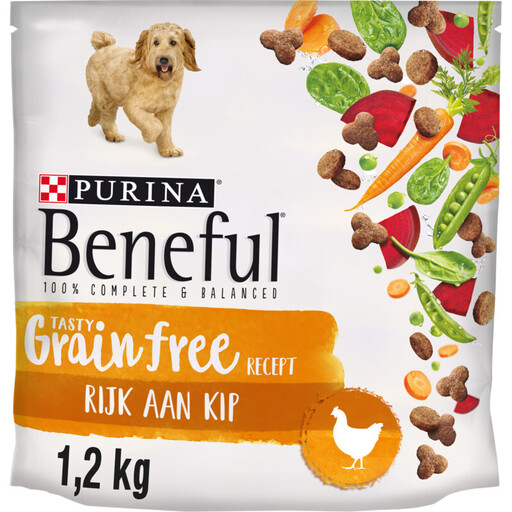
Why it suits this profile: The 1.2 kg pack is practical for a first purchase or for a smaller dog. The product information states that it is complete food for adult dogs, with 25.5% crude protein and 13.5% fat.
The composition states the proportions of chicken and vegetables, as well as the analytical values, so you do not have to rely solely on the term grain-free.
Small pack, adult dog food and feeding guidelines provided for each weight category.
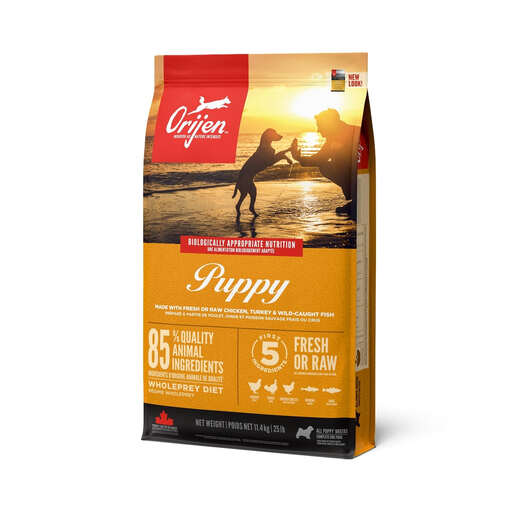
Why it suits this profile: According to the product description, this dry dog food is intended for puppies of all breeds. The composition states 38% crude protein, 18% fat and a net content of 11.4 kg.
The product information provides percentages and a detailed ingredients list rather than relying only on broad terms such as premium or natural.
Grain-free recipe, chicken, turkey and fish in the composition, plus a large bag for households with several dogs.
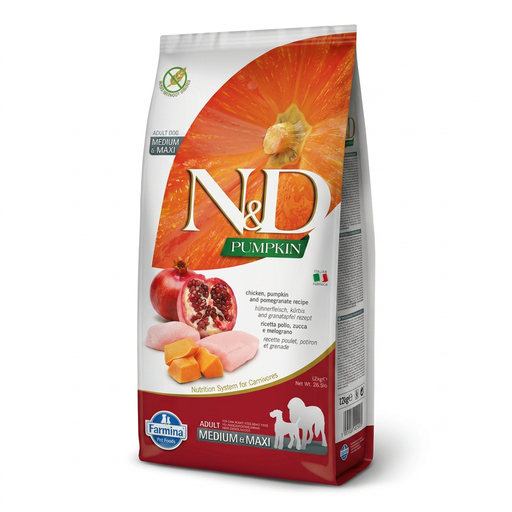
Why it suits this profile: According to the product details, this variety is intended for adult dogs of medium and large breeds. The recipe lists chicken, herring, pumpkin, peas and chickpeas.
The target group, pack size and main ingredients are clearly stated. This allows you to compare breed size and ingredients side by side.
12 kg pack, grain-free recipe and feeding guidelines that take weight and activity level into account.
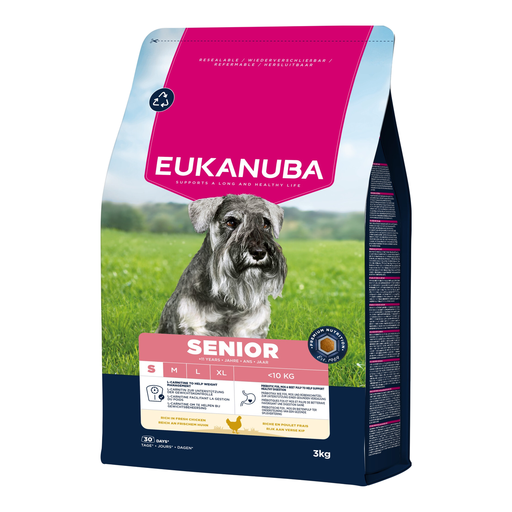
Why it suits this profile: According to the product information, this food has been developed for small senior dogs aged 11 and over. The 3 kg pack is manageable for a smaller daily portion.
The age range and body size are specified clearly. You therefore do not need to choose a general adult variety when looking specifically for senior dog food.
Small kibble according to the product description, chicken as a named ingredient and a recipe containing, among other things, fibre, calcium and omega-3 and omega-6 fatty acids.
We have put together a complete, up-to-date list of products that fully meet these strict selection criteria and the applicable European safety regulations.
Dry dog food is easy to portion, usually simple to store and available in large bags. It has a low moisture content, so fresh water remains important.
Wet dog food contains a lot of moisture and can be useful for dogs that prefer soft food. An opened tin, tray or pouch must be stored in the fridge and should generally be used within 48 hours. Check whether the product is complete food or complementary food. Only complete food is intended to be fed as a main daily diet according to the product information.
Combining the two can be practical, but reduce the amount of dry food when adding wet food. Otherwise, the total energy intake can increase without you realising it.
Choose puppy food that is clearly intended for your puppy’s age and, where stated, breed size. Check the feeding guidelines, kibble size and whether the product is described as complete food. Follow the product instructions and divide food for young puppies into several meals.
This depends on age, size, activity level and the food you choose. Adult dogs are often fed two meals a day, while young puppies may need several smaller portions. Use the packaging as a starting point and monitor your dog’s body condition.
Dry food is best preserved when the bag is sealed properly and stored somewhere cool and dry. Wet food should be covered and refrigerated after opening, and usually used within a maximum of 48 hours. Always follow the instructions on the label.
