
Vandaag of morgen in huis

Kwaliteit gegarandeerd

Welkomstaanbiedingen ontgrendelen: GRATIS bezorging | Tot 80% korting | Gratis 30 dagen JoyPlus-proefperiode
Download de app
There’s a huge choice of dog food, from dry food and wet food to puppy food, senior dog food and formulas for small or large dogs. Packaging often promises natural ingredients, extra meat or support for a particular part of the body. But an eye-catching claim doesn’t automatically mean the food is right for your dog.
Focus on information you can check: your dog’s life stage and size, the ingredients, the nutritional values and whether the food is described as complete and balanced dog food.
Grain-free dog food may suit a dog whose diet needs to avoid grains, but grain-free doesn’t automatically mean the overall food is a better fit. These recipes often contain peas, chickpeas or sweet potato instead of grains. So check the full ingredients list, not just the front of the pack.
If you suspect a food intolerance, it’s best not to keep switching recipes on your own. Speak to a vet about any persistent symptoms.
“Chicken dog food” or “lamb dog food” may sound appealing, but check how much of that ingredient is actually in the recipe. Some products state a specific percentage of meat, while others use broad categories such as “meat and animal derivatives”.
That makes it difficult to compare products fairly. Use the ingredients list and analytical constituents as your starting point.
An 11.4 or 15 kg bag can be practical if you have a large dog or several dogs, but only if the food is stored properly and used before its best-before date. For a small dog, a smaller pack may help prevent waste. Compare the price per kilogram as well as the recommended daily amount.
Puppy food is designed for growth and has different nutritional guidelines from food for adult dogs. There are also options such as senior dog food for older pets. Check whether the product is intended for small, medium or large breeds too.
A few examples:
The packaging should clearly state whether the food is complete. Complete dog food is intended to be fed daily when you follow the instructions on the pack. A complementary product, treat or separate topping isn’t a substitute for a complete meal.
According to the product information, Bonzo meal pouches are described as complete food for adult dogs. They can be fed on their own or combined with dry food. Be sure to check the exact feeding proportions on the pack.
Look at:
Brands can describe the features of their recipes, but don’t treat those claims as guarantees. For example, EUKANUBA lists fibre blends, omega fatty acids and specific kibble shapes among the features of various recipes. These are product specifications; individual dogs may respond differently.
Make any change of food gradually, usually over around seven to ten days. Always provide fresh drinking water, and store dry food in a cool, dry place in a sealed container.
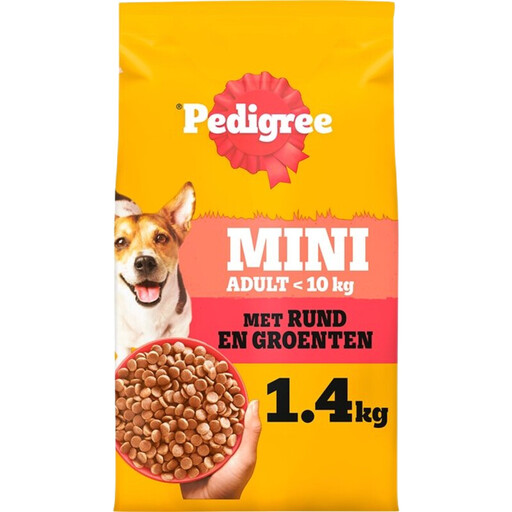
Why it suits this type of buyer: The 1.4 kg pack is a manageable size for owners who want to try a smaller quantity first. The product is intended for adult small dogs weighing up to 10 kg.
Its suitability for small adult dogs and the daily amounts for different weights are clearly stated. This helps you avoid choosing based on the flavour name alone.
Dry food with small kibble, a 1.4 kg pack and stated analytical values of 22% protein and 13% fat.

Why it suits this type of buyer: This large bag is aimed at buyers looking for a varied recipe with chicken, turkey, fish and egg, and who are happy to compare the ingredients carefully.
The product specifications list specific ingredients and analytical values, including 38% crude protein, 18% fat and an 11.4 kg pack size.
Complete food for dogs at all life stages, according to the product information, with chicken, turkey, herring, cod and egg.
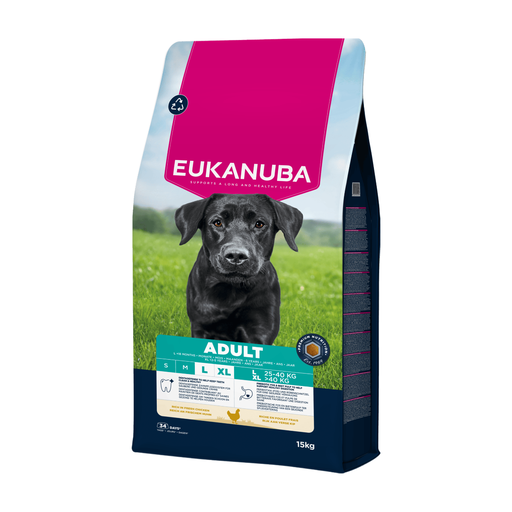
Why it suits this type of buyer: This large pack is for adult large dogs, with a nutritional profile described in the product information as suitable for dogs aged 18 months and over.
This variety isn’t described in general terms: it’s specifically for adult large dogs. That makes it easier to choose than a universal formula.
15 kg pack, chicken listed as an ingredient and a formula described as complete and balanced in the product description.
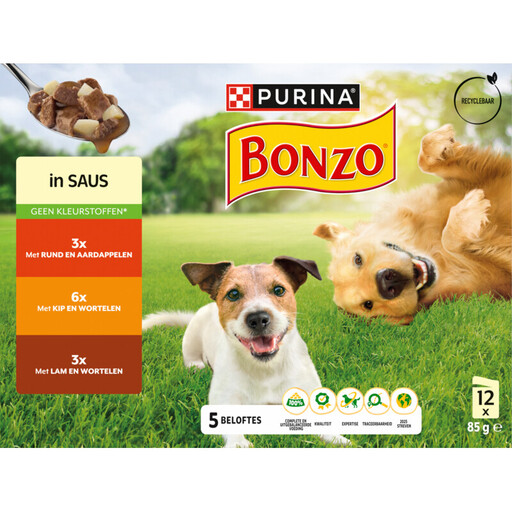
Why it suits this type of buyer: Meal pouches are handy if you want to serve wet dog food in portions or add it to dry food.
The product information describes it as complete food for adult dogs. This makes it clearer how to use than a non-complete topping.
Chicken and lamb in gravy, suitable for serving on its own or with dry food; store in a cool, dry place.
We’ve put together a full, up-to-date list of products that meet these strict selection criteria and the applicable European safety regulations.
This is food described in the product information as providing a complete daily diet for the stated group of animals, such as adult dogs or puppies. Always follow the feeding guide and check that the life stage is right for your dog.
Not necessarily. Wet food contains more moisture and can be handy for portion-controlled feeding. Dry food is often easier to store and weigh out. The right choice depends on your dog’s preferences, the ingredients and their overall daily diet.
Store unopened dog food in a cool, dry place, as instructed on the label. Different storage times apply once it’s opened, especially for wet food. Follow the instructions on the packaging, and keep leftovers covered in the fridge if advised.
