
Vandaag of morgen in huis

Kwaliteit gegarandeerd

Welkomstaanbiedingen ontgrendelen: GRATIS bezorging | Tot 80% korting | Gratis 30 dagen JoyPlus-proefperiode
Download de app
Buying a bag of dog food might seem straightforward, but the difference between a suitable choice and a costly mistake often comes down to the details. Attractive packaging, terms such as “premium” or an eye-catching flavour don’t automatically mean a food is right for your dog. Start by checking your dog’s life stage, size, the ingredients and the nutritional information.
Grain-free dog food may suit dogs whose owners want to avoid grains, or dogs that don’t tolerate certain ingredients well. However, it doesn’t automatically mean the food is more complete, nutritious or digestible. Grain-free recipes often contain other sources of carbohydrates, such as peas, chickpeas or sweet potato. Always check the full ingredients list and the analytical constituents.
“Chicken dog food”, “lamb dog food” or “fish dog food” may sound appealing, but the amount of that ingredient varies from one recipe to another. Check whether the product is a complete feed or a complementary feed. A tasty topping or treat is no substitute for a complete meal.
For example, according to the product information, INABA Churu Dog Multipack is a complementary feed. The tubes can be used as a reward, topping or training treat, but aren’t intended to replace a daily meal.
The feeding guide on the packaging is just that: a guide. An active dog may need a different amount from a calm pet of the same weight. Adjust portions gradually and keep an eye on your dog’s body condition. If you’re unsure about your dog’s weight, allergies or ongoing digestive problems, it’s best to consult a vet.
Puppy food is formulated for growth, while adult dog food is intended for maintenance. Senior dog food is designed for older dogs, often from around seven years of age, depending on the breed and product. Check the age guidance on the packaging:
A large-breed puppy also has different needs from a small adult dog. So don’t choose by age alone; take breed size into account too.
Dry dog food is easy to store and portion. Kibble size can affect how easy it is for your dog to eat. Food for small dogs usually has smaller kibble, while food for medium-sized and large dogs often comes in a different size and has a different nutritional profile.
Also check the net weight. A 3 kg bag is handy for trying a new recipe, while a 12 or 15 kg pack may be better value for a large dog or a multi-dog household. Store opened kibble in an airtight container in a cool, dry place.
Look beyond the front of the packaging. Check:
A high protein content isn’t automatically right for every dog. For example, Orijen Original lists 38% crude protein and several animal ingredients. It may appeal to owners looking for a high-protein recipe, but the portion size and suitability still need to be right for their dog.
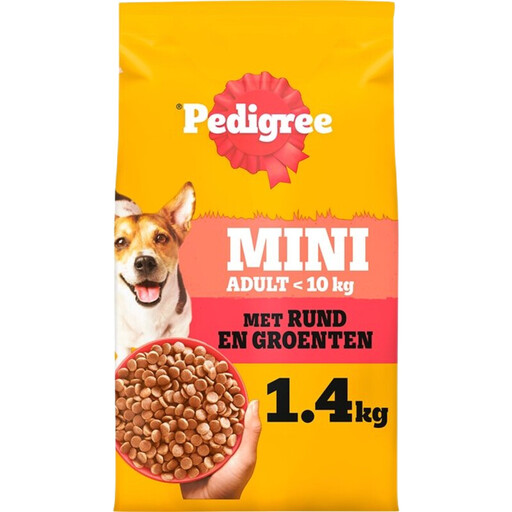
Why it suits this profile: This 1.4 kg pack is a manageable size if you’re buying kibble for a small adult dog for the first time and don’t want to stock up on a large quantity.
The product information includes a feeding guide by body weight and kibble sized for small dogs. This makes it easier to measure portions accurately than with a general-purpose food.
22% protein, 13% fat and feeding advice for dogs weighing 1 to 10 kg. This is a dry dog food for small adult dogs.
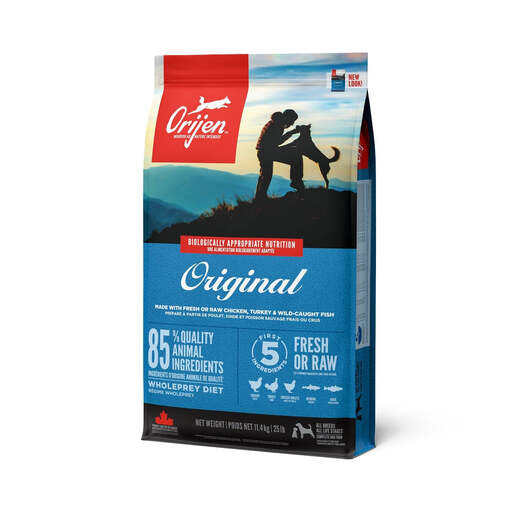
Why it suits this profile: This recipe is aimed at dog owners who value a detailed ingredients list and a high stated protein content.
The product page lists specific ingredients and analytical values, including 38% crude protein and 18% crude fat. That means you don’t have to rely on marketing terms alone.
Grain-free recipe with chicken, turkey, herring, cod and egg. The manufacturer states that it is suitable for all life stages, except Great Dane puppies under 14 weeks.
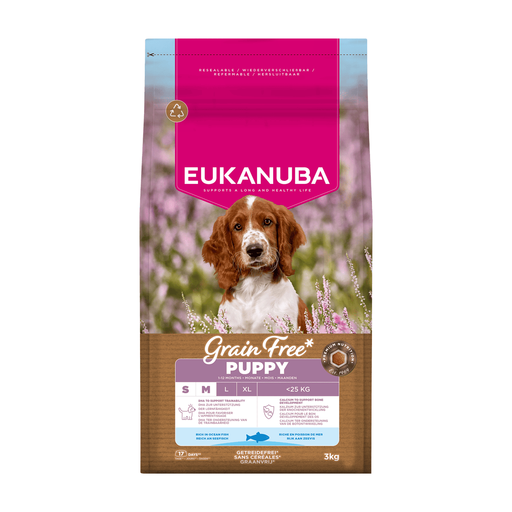
Why it suits this profile: This food is designed for small and medium-sized puppies aged 1 to 12 months, including owners looking for a chicken-free, grain-free recipe.
The age range and breed size are clearly stated. This reduces the risk of choosing adult dog food for a dog that’s still growing.
Ocean fish as a source of animal protein, sweet potato as an alternative carbohydrate source, and a 3 kg pack.
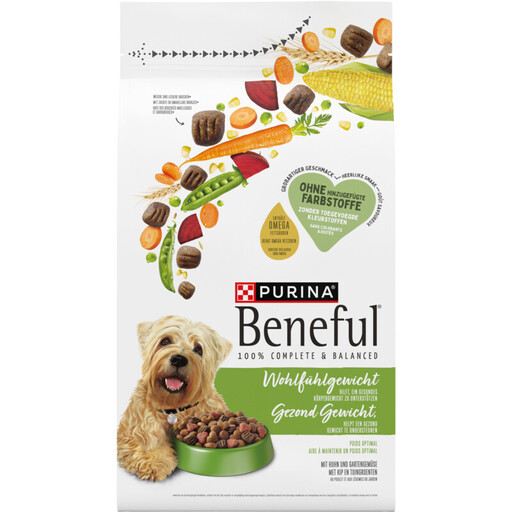
Why it suits this profile: For adult dogs whose owners want to tailor portion size and fat content to their activity levels and body condition.
According to the product description, this variant contains 20% less fat than the original Beneful formula. You should still adjust portions to suit your dog’s activity levels and body condition.
Complete feed for adult dogs, combining crunchy kibble with soft pieces. The pack contains 1.4 kg.
We’ve put together a complete, up-to-date list of products that meet these strict selection criteria and current European safety regulations.
Don’t switch to a new dog food suddenly. Over about seven to ten days, gradually mix a little more of the new food into the old food. This makes it easier to see how your dog responds to the change. Use the feeding guide as a starting point and, ideally, weigh portions with kitchen scales.
Store kibble in its original, tightly sealed packaging or in a clean, airtight storage container. Keep the bag in a cool, dry place and check the best-before date. Opened wet food and dog treats should be stored according to the packaging instructions. For example, INABA Churu recommends refrigerating opened tubes and using them within 24 hours.
Many adult dogs have two meals a day. Puppies may need several smaller meals. Follow the guidelines on the packaging and take your dog’s weight, age, activity levels and body condition into account.
Yes, if the product is labelled as a complete feed and is suitable for your dog’s life stage. Also make sure your dog has access to plenty of fresh drinking water. A complementary treat, topping or reward isn’t the same as a complete meal.
This varies by product and packaging. Seal dry dog food tightly after each use and store it in a cool, dry place. Always check the shelf-life information on the packaging. Wet treats and tubes usually have a shorter shelf life once opened.
