
Vandaag of morgen in huis

Kwaliteit gegarandeerd

Welkomstaanbiedingen ontgrendelen: GRATIS bezorging | Tot 80% korting | Gratis 30 dagen JoyPlus-proefperiode
Download de app
There’s a wide choice of dog food available. Dry dog food varies not only in flavour, brand and price, but also in kibble size, ingredients and intended use. A small companion dog doesn’t automatically have the same nutritional needs as a large, active dog. Puppy food and senior dog food aren’t interchangeable either.
As a Joybuy Product Recommendation Officer, I focus on verifiable information on the label and product page. Marketing terms are only useful when they’re backed up by clear ingredient details, a nutritional analysis and feeding advice.
Packaging sometimes highlights “with chicken”, “with beef” or “with lamb”. That doesn’t always mean the named ingredient is the main ingredient. Check the full ingredients list and the analytical constituents. For example, Pedigree Adult Small Dog Beef & Vegetables lists cereals, meat and animal derivatives among its ingredients, including 4% beef.
Also check whether the product is described as complete and balanced dog food. Complete food is intended to be fed daily, following the feeding advice on the packaging. A complementary product serves a different purpose.
Grain-free dog food may suit a dog whose diet needs to avoid grains, but the term doesn’t automatically tell you anything about the overall nutritional value. In these recipes, grains are often replaced with ingredients such as peas, potato or sweet potato. So check the protein, fat and fibre content, and make sure the food is suitable for your dog’s age and size.
The product descriptions for EUKANUBA Grain Free varieties list peas and gluten-free sweet potato among the alternative sources of carbohydrates. According to the product descriptions, these varieties are intended for adult dogs, not dogs at every life stage.
A large bag may seem like good value, but it isn’t always practical. A bag can stay open for a long time if you have a small dog, so it’s important to seal it properly. Conversely, a small pack may work out relatively expensive for a large dog. Compare:
Puppy food is formulated to support growth. For large breeds, it’s especially important to choose a recipe specifically intended for large-breed puppies. According to its product description, ACANA Puppy Large Breed is suitable for puppies expected to weigh around 30 kg or more as adults.
Adult dogs can be catered for with varieties for small, medium and large breeds. According to the product information, EUKANUBA Life Care Dog Adult Medium Chicken is intended for medium-sized adult dogs aged 1 to 7 years. The large-breed variety is for large breeds aged 18 months to 6 years, or giant breeds aged 2 to 5 years.
Senior dog food is intended for an older life stage. According to its product description, Eukanuba Life Care Dog Senior Small/Medium Lamb & Rice is formulated for small and medium-sized senior dogs aged 7 years and over. Always check that the age guidance is right for your dog.
The figures for crude protein, crude fat, crude fibre, crude ash and moisture give you a more reliable guide than stand-alone marketing claims. An active dog may have different energy needs from one that mostly goes on short walks. The recommended amount on the packaging is a starting point; adjust the portion to suit your dog’s body condition, age and activity level.
A high protein percentage isn’t automatically right for every dog. Look at the whole recipe and consult a vet if your dog has a diagnosed health condition, food sensitivity or persistent digestive problems.
Smaller kibble can be easier for small dogs to eat. According to its product description, Bonzo Mini Menu Adult Beef Lamb is intended for small adult dogs weighing up to 10 kg and has smaller kibble. For large dogs, a recipe with a suitable kibble size is more practical.
Introduce new dog food gradually, usually over 7 to 10 days. Mix a little more of the new food into the old food each day. Store dry dog food in a cool, dry place, seal the bag well and follow the packaging instructions for shelf life.
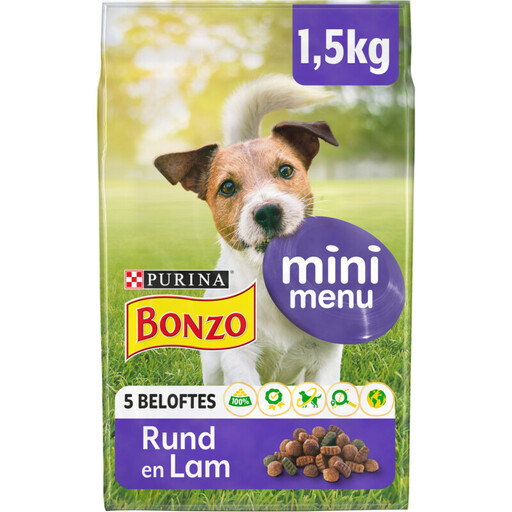
Why it suits this profile: According to the product description, this is complete food for small adult dogs weighing up to 10 kg, with smaller kibble and a blend of beef and lamb.
The intended dogs and kibble size are clearly stated. That means you don’t need to adapt standard kibble designed for large dogs to suit a small breed.
Smaller kibble, beef and lamb listed as animal ingredients, and a product description for adult dogs.
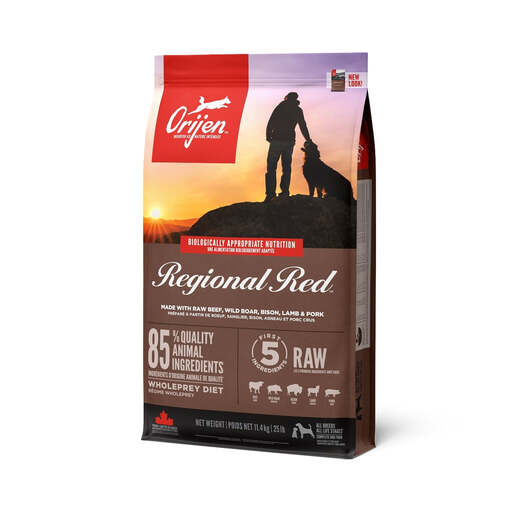
Why it suits this profile: According to the product information, this variety contains beef, wild boar, bison, lamb and pork. It lists a protein analysis of 38% and comes in an 11.4 kg bag.
The ingredients list and analytical values are given in detail. This lets you check the claims about its range of animal ingredients.
Full ingredients list, 38% crude protein according to the product information, and a recipe featuring several named animal sources.
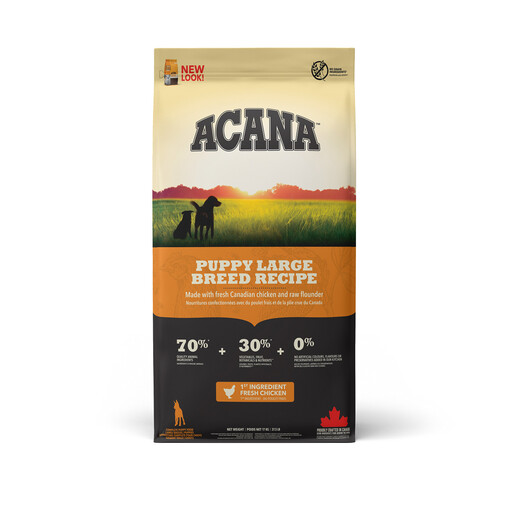
Why it suits this profile: According to the product description, this puppy food is designed for large-breed puppies expected to weigh 30 kg or more as adults.
It’s aimed at a more specific group than puppy food in general. That helps you choose food for a puppy that will grow into a large breed.
A 17 kg pack, stated suitability for large-breed puppies, and ingredients such as chicken, egg and flatfish according to the product description.
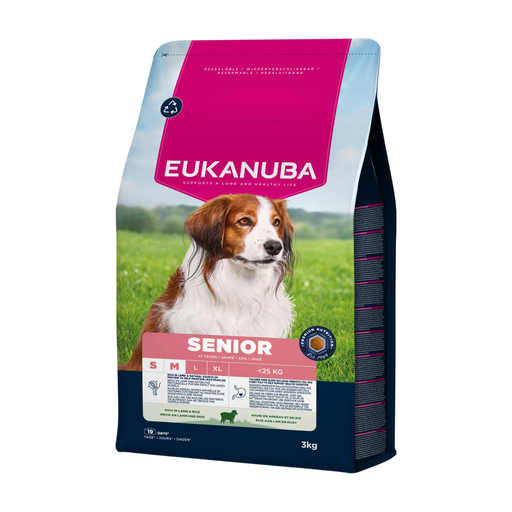
Why it suits this profile: According to the product description, this food is for small and medium-sized senior dogs aged 7 and over, and contains lamb and rice.
The age and size categories are clearly stated. This helps you choose more precisely than with general adult dog food.
Lamb and rice listed as ingredients, a 3 kg pack, and a recipe tailored to senior dogs according to the product information.
We’ve put together a complete, up-to-date list of products that meet these strict selection criteria and current European safety requirements.
Choose dog food labelled as suitable for adult dogs and check that it’s right for your dog’s size: small, medium or large breed. Also compare the nutritional values and recommended daily portion with your dog’s activity level.
Gradually mix the new food into your dog’s current food over about 7 to 10 days. Start with a small amount of the new food and increase it step by step. Keep an eye on your dog’s appetite and stools. If problems persist, it’s best to consult a vet.
This varies by product and packaging. Check the best-before information on the label and seal the bag properly after each use. Store the kibble in a cool, dry place, preferably in its original packaging. A smaller bag may be practical if your dog doesn’t eat much or if freshness is important to you.
