
Vandaag of morgen in huis

Kwaliteit gegarandeerd

Welkomstaanbiedingen ontgrendelen: GRATIS bezorging | Tot 80% korting | Gratis 30 dagen JoyPlus-proefperiode
Download de app
There’s a wide range of dog food available in the Netherlands. You’ll find dry food with chicken, lamb, fish or beef, grain-free recipes, options for senior dogs, and food for small, medium or large dogs. But eye-catching packaging tells you little about whether a food is right for your dog.
As a Joybuy Product Recommendation Officer, I assess product information using verifiable details. Here are three common pitfalls to watch out for:
For everyday use, look for the description “complete food” or “complete and balanced”. This means the product information says it’s intended to be fed as your dog’s daily food. Also check which life stage it’s suitable for: puppies, adult dogs, senior dogs or all life stages.
A product may instead be labelled as complementary food. That’s not the same as a complete daily meal. For example, the available product information describes Ziwi Peak Dog Gently Air-Dried Venison as complementary pet food. It’s important to follow the feeding instructions and not base your choice solely on its high protein percentage.
Dog food for adult dogs isn’t automatically suitable for every adult dog. Smaller dogs often benefit from smaller kibble, while food for large dogs may take their different dietary needs and larger size into account.
Look out for these descriptions:
According to its product description, Beneful Healthy Weight Chicken & Vegetables is a complete food for adult dogs and contains 20% less fat than the original Beneful recipe. This is a brand claim; use the analytical values and your dog’s body condition to work out the right portion.
The ingredients list shows which raw materials have been used. The analytical constituents include the percentages of protein, fat, crude fibre, crude ash and moisture. A high protein percentage alone doesn’t guarantee that a product is right for your dog.
Examples from the range:
If you suspect your dog has a food sensitivity, take care. A product that lists one protein source isn’t automatically hypoallergenic dog food. If you’re considering an elimination diet or your dog has persistent symptoms, it’s better to speak to a vet than to keep changing their food yourself.
Choosing the right food involves more than just your dog’s breed. Consider their weight, age, daily exercise, preferred kibble size and how they’ve responded to previous foods.
A large 12 or 15 kg bag can be practical for a large dog, but it’s less convenient if you want to try a new protein source first. A 1.4 to 3 kg bag helps reduce waste and makes it easier to switch gradually. It’s best to mix the new food with the old food in stages, following the guidance on the pack.
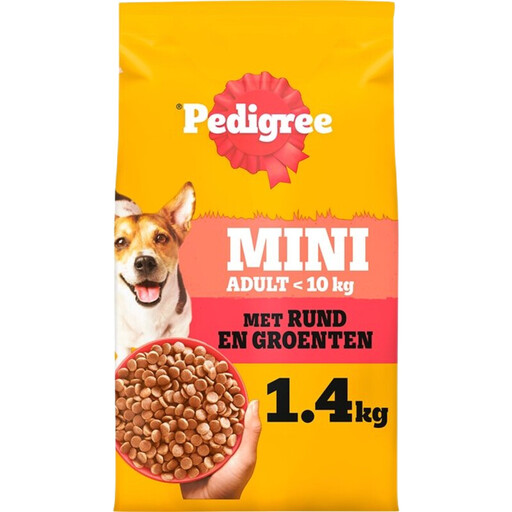
Why it suits this profile: The 1.4 kg bag is a manageable size for an owner who wants to try a suitable food for a small adult dog first. According to the product description, the smaller kibble is tailored to small breeds.
The product information gives specific percentages, such as 22% protein and 13% fat, rather than relying only on general claims about quality.
Small kibble, a 1.4 kg pack and clear feeding guidelines for dogs weighing up to 10 kg.
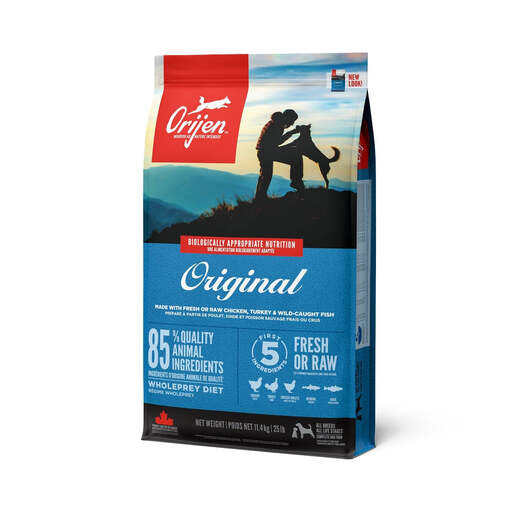
Why it suits this profile: This large pack is for anyone considering a recipe with a wide range of ingredients, including chicken, turkey, herring, cod and egg, for an adult dog.
The product page provides a detailed ingredients list and analytical values, so claims about animal proteins can be checked.
38% crude protein according to the product information, an 11.4 kg pack and several animal-based ingredients.
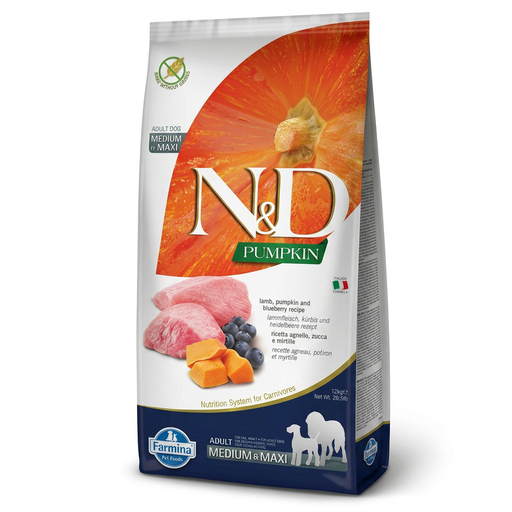
Why it suits this profile: According to the product information, this variety is intended for adult medium and large dogs. It contains lamb, herring, pumpkin, peas and chickpeas.
The formula is explicitly described as grain-free and lists its main ingredients. Still, check whether this recipe is right for your dog.
A 12 kg pack, lamb listed as an animal protein source, and suitability for medium and large adult dogs.
We’ve put together a complete, up-to-date list of products that meet these strict selection criteria and the applicable European safety requirements.
Follow the storage instructions on the pack. Store dry dog food in a cool, dry place, seal the bag tightly and use the food within the stated period after opening. A smaller bag may be more practical if your dog eats only a little or you change their food regularly.
Gradually mix the new food with the old food, usually over about seven days. Start with a small amount of the new food and increase it step by step. Keep an eye on your dog’s stools, appetite and overall response. If problems persist, it’s best to consult a vet.
Not always. Compare the price per kilogram as well as the recommended daily amount. A larger bag may seem better value, but the actual cost depends on the portion size, your dog’s weight and their activity level. Also check that the product is complete dog food and suitable for your dog’s life stage.
