
Vandaag of morgen in huis

Kwaliteit gegarandeerd

Welkomstaanbiedingen ontgrendelen: GRATIS bezorging | Tot 80% korting | Gratis 30 dagen JoyPlus-proefperiode
Download de app
The bag of dog food may look convincing, but a nice picture of meat or vegetables doesn’t tell you much about whether it’s right for your dog. Making the right choice depends mainly on age, size, activity level, ingredients and nutritional purpose. That applies to dry dog food for puppies, adult dogs and seniors alike.
As Joybuy Product Recommendation Officer, I filter the most important product information so you can separate marketing claims from verifiable facts.
Grain-free dog food isn’t automatically better. It can be suitable if your dog doesn’t tolerate certain ingredients well, but always check whether the product is labelled as complete pet food. A complete dog food should be intended as a full daily diet, according to the instructions on the packaging.
“Dog food with lamb”, “dog food with chicken”, “dog food with duck” or game sounds clear enough, but look at the ingredients list. Check whether the percentage of the named protein source is stated and whether other animal proteins have been added. This matters for dogs with a known food sensitivity.
An active dog, a neutered dog and an older dog don’t automatically have the same energy requirements. A product with relatively high fat or energy content may be less suitable for a dog that doesn’t get much exercise. Use the feeding guide on the packaging as a starting point and keep an eye on body condition, weight and activity.
Choose dog food for adult dogs when your dog is fully grown. Puppy food is formulated for growth and has a different nutritional goal. For dogs from a certain age, there are options such as senior dog food; the exact age varies by brand and size.
Kibble size also matters:
Look for the legal description, for example “complete pet food for adult dogs”. Then check the analytical constituents:
A higher protein percentage doesn’t automatically mean the food is suitable for every dog. The origin of the proteins, the overall composition and the life stage all remain important.
For dog food for sensitive dogs, a simple recipe can help you keep track of ingredients. Eukanuba, for example, lists a lamb and rice variety for small and medium adult dogs. According to the product description, this formula also contains chicken as a protein source. That makes this choice less suitable if you specifically want to avoid all chicken.
With diet dog food, for example for weight management, you need to pay attention to the feeding instructions and the fat content. Beneful Healthy Weight is described as an adult dog food with 20% less fat than the original Beneful recipe. That’s a product comparison from the brand, not a guarantee of weight loss. For a medical condition or a strict diet, consulting a vet should take priority.
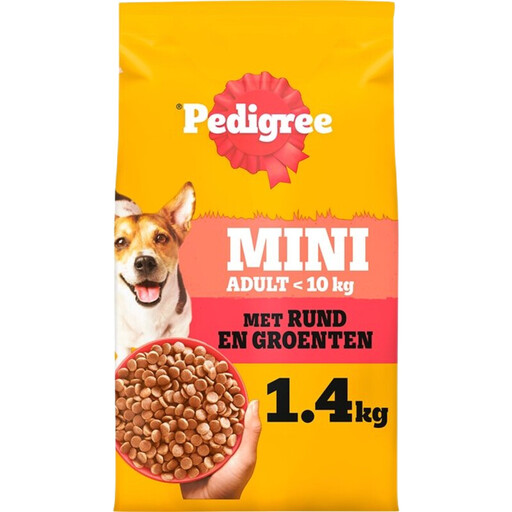
Why this fits the profile: The 1.4 kg bag is practical when you want to try a small amount first. According to the product information, this variety is intended for adult small dogs up to 10 kg.
The target group and daily guidelines are clearly stated. Do check whether the grains and animal by-products listed are suitable for your dog.
Small kibble, 1.4 kg bag and a stated analysis with 22% protein and 13% fat.
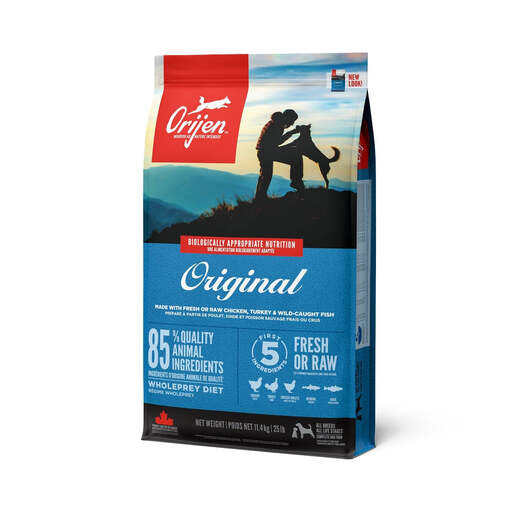
Why this fits the profile: This large bag is aimed at adult dogs and households looking for an extensive ingredients list and a high proportion of animal ingredients.
The composition states specific percentages, analytical values and feeding guidelines. The higher energy density requires careful portioning.
According to the product information, the food contains 38% crude protein, 18% crude fat and multiple animal ingredients including chicken, turkey and fish.
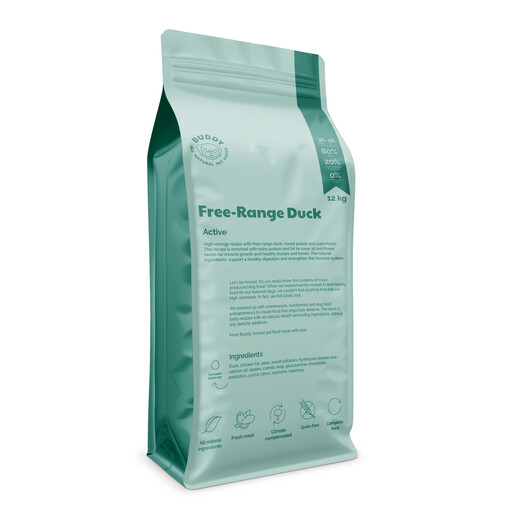
Why this fits the profile: The product description focuses on large, active and working dogs. The 12 kg bag can be practical when your dog has a higher daily food requirement.
The description mentions the proportion of duck and the kibble size of approximately 1.2–1.6 cm. Check whether this size suits your dog.
According to the product information, the formula contains 44% duck and 26% fresh duck, plus added vitamins and minerals.
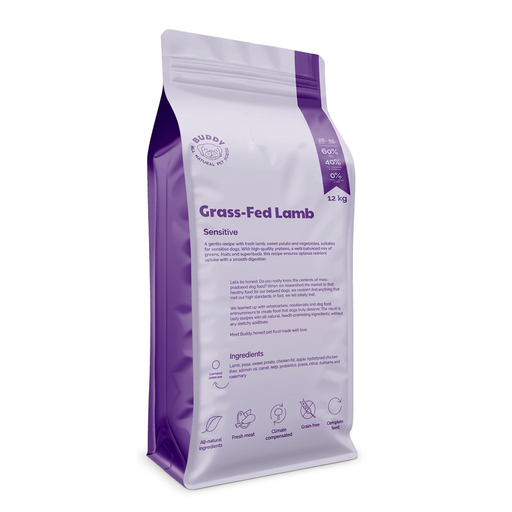
Why this fits the profile: This lamb variety is intended, according to the product description, for dogs with a sensitive digestion. The 12 kg bag suits regular use.
The product description mentions lamb, fruit, vegetables and fibre. Introduce new food gradually and check the full ingredients list.
Soft dry kibble, lamb as the stated protein source and a combination of plant-based ingredients according to the product information.
We’ve put together a full, up-to-date list of products that fully meet these strict selection criteria and comply with current European safety regulations.
Mix the new and old food gradually, usually over about a week. Start with a small amount of the new product and increase it step by step. Keep an eye on your dog’s stools, appetite and body condition. Don’t just stop diet food that has been recommended by a vet.
Store dry dog food in a cool, dry place. Seal the bag properly or use an airtight storage container. Note the date after opening and follow the best-before information on the packaging. A large bag is only good value if your dog eats the food within the recommended period and it stays fresh.
Look for a clear ingredients list and consider choosing a formula with an alternative protein source, such as lamb, duck or game. “Sensitive” isn’t a diagnosis. For recurring symptoms, itching or persistent digestive issues, it’s wise to seek advice from a vet.
Use the feeding guide on the packaging as a starting point. Adjust the portion according to weight, age, activity and body condition. Weigh the kibble if possible, especially with energy-dense varieties.
No. Grain-free dog food can be an option if you deliberately want to avoid grains or if a specific dietary choice requires it. The “grain-free” label alone doesn’t mean the food is more complete or more suitable than a formula with grains. Always look at the full composition and the “complete pet food” designation.
