
Vandaag of morgen in huis

Kwaliteit gegarandeerd

Welkomstaanbiedingen ontgrendelen: GRATIS bezorging | Tot 80% korting | Gratis 30 dagen JoyPlus-proefperiode
Download de app
Picking a new bag of dog food might seem straightforward, but packaging is full of terms that don’t always tell you what your dog actually needs. “Natural”, “grain-free” and “rich in meat” sound appealing, but they only mean something when you also look at the full ingredients, nutritional values and life stage.
With this practical approach, you can compare dry dog food, wet dog food, puppy food and senior food based on verifiable information.
A bag with lamb, chicken or wild boar on the front doesn’t automatically mean that ingredient makes up the bulk of the recipe. So always check the ingredients list. Some products clearly state the percentage of meat or fish; others only mention a general category, such as “meat and animal derivatives”.
Also pay attention to the difference between fresh meat and dried ingredients. Fresh meat contains a lot of moisture, whereas dried ingredients are more concentrated. So don’t compare products based solely on the picture on the front or the flavour name.
Grain-free dog food contains no grains, but it can include peas, chickpeas, potato or other carbohydrate sources. What’s more, grain-free doesn’t automatically mean the food is suitable for every dog with a sensitive digestion.
Look at the full ingredients and take note of any known dietary sensitivities your dog has. If problems persist or there’s a medical condition, it’s wiser to consult a vet than to keep switching foods yourself.
A 12 kg bag may have a lower price per kilogram, but only if your dog tolerates the food well and you can use it up within a reasonable time. Once opened, dry food needs to be sealed properly and stored in a cool, dry place. Any leftover wet food should be kept in the fridge according to the product instructions.
So don’t just compare the price per kilo – also consider the shelf life, daily feeding amount and suitability for your dog.
Choose dog food for the correct life stage:
Breed size also matters. Kibble for small dogs may be a different size from food for medium or large breeds. Also check whether the recommended amount is based on body weight, activity and body condition.
Look for the label complete pet food. This means the product can be used as a full daily diet according to the product information, provided you follow the feeding guidelines. A complementary food or treat is not the same as a complete meal.
Then compare:
A higher protein percentage isn’t automatically right for every dog. A calm house dog, an active working dog and a growing puppy all have different needs.
Dry dog food is practical to store and easy to measure by the gram. Wet dog food contains a lot of moisture and some dogs find it appealing because of its soft texture. You can combine wet and dry food, but remember to count the energy from both sources and adjust the portions.
When switching foods, do it gradually, usually over about seven to ten days. Start with a small amount of the new food and increase it step by step. Keep an eye on your dog’s stools, appetite and body condition. Always use the guidelines on the packaging as a starting point.
The products below have been selected based on the stated life stage, ingredients, packaging and usage instructions. Brand claims about, for example, digestion, coat or joints are not guaranteed results. According to the brands’ own product information, some recipes contain specific ingredients or additions for these purposes.
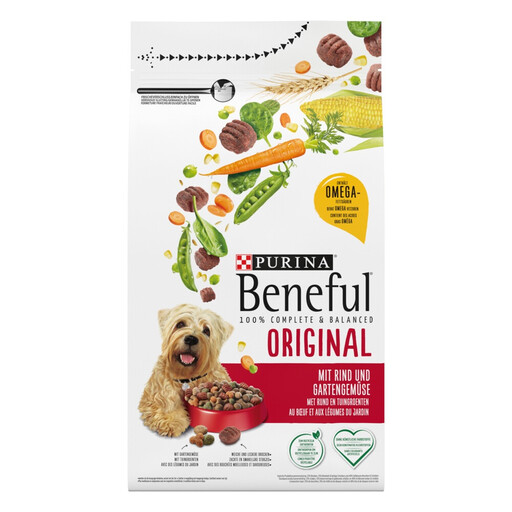
Why this fits the profile: A 1.4 kg bag is manageable for anyone wanting to try dog food for the first time or for someone with a small dog. The product information states it is for adult dogs of all weights.
The product page lists analytical values and daily amounts by weight, so you don’t have to rely on the flavour name alone.
Dry food with 15% crude protein, 8% fat and guidelines for dogs from 5 to 30 kg.
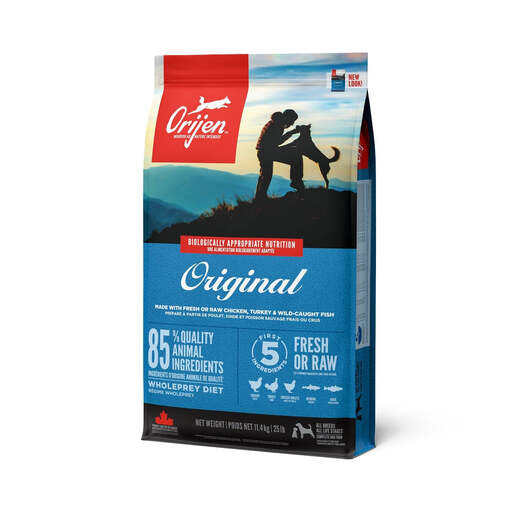
Why this fits the profile: Suitable for dog owners who want to compare a detailed ingredients list and high analytical values.
The ingredients list gives percentages for several animal ingredients and states 38% crude protein and 18% fat.
Complete food for all life stages according to the product information, with chicken, turkey, herring, cod and egg.
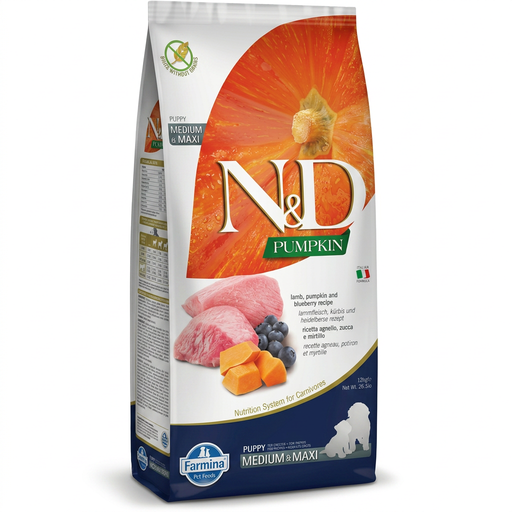
Why this fits the profile: Designed for puppies of medium and large breeds. The 12 kg bag suits households that feed larger daily portions.
The product information clearly states the life stage, breed size, seven-day transition period and feeding amounts by weight.
Grain-free recipe with lamb, herring, pumpkin, peas and chickpeas; according to the product description, 96% of the protein is from animal sources.
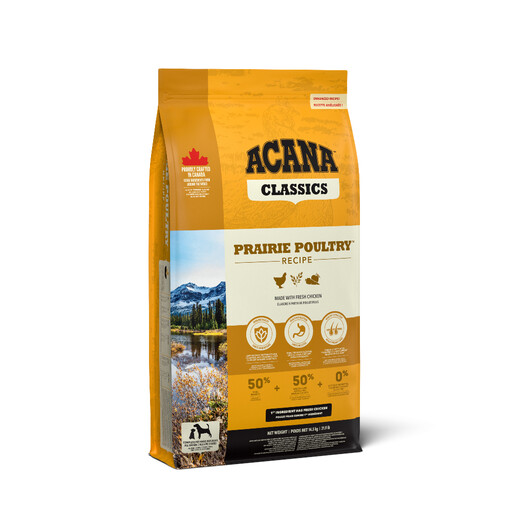
Why this fits the profile: The large bag is practical when you feed regularly or have several adult dogs, as long as the shelf life and storage suit your usage.
The product information states it is a complete food for all life stages and gives analytical values, including 27% crude protein and 16% fat.
With chicken, turkey, oats and vegetables; the stated ingredients list contains 50% animal ingredients according to the product information.
We’ve put together a full, up-to-date list of products that fully meet these strict selection criteria and comply with current European safety regulations.
That depends on your dog’s preferences, age, size and nutritional needs. Dry food is easy to store and measure. Wet food contains more moisture and often has a soft texture. With both types, check whether it’s a complete food and adjust the portions if you combine them.
There’s no need to change if your dog tolerates the current complete food well. If you do switch recipes, do it gradually over about seven to ten days. Gradually mix more of the new food with the old and follow the instructions on the packaging.
First, look at the ingredients your dog hasn’t tolerated well before. Dog food for sensitive dogs isn’t a fixed legal category. A recipe with one clearly named animal protein source can make comparison easier, but problems can have several causes. If issues persist, it’s wise to seek advice from a vet.
