
Vandaag of morgen in huis

Kwaliteit gegarandeerd

Welkomstaanbiedingen ontgrendelen: GRATIS bezorging | Tot 80% korting | Gratis 30 dagen JoyPlus-proefperiode
Download de app
Picking the right bag of dog food might seem straightforward – until you start comparing ingredient lists, nutritional values and feeding guides side by side. An eye-catching packet tells you very little about whether it’s actually suitable for your dog. Age, weight, breed size, activity level and any dietary sensitivities matter far more.
Keep an eye out for these three common pitfalls:
A puppy has different nutritional needs to an adult or older dog. When looking at dog food for puppies, search for a clear age indication and feeding guideline. For adult animals, choose something like adult dog food for the correct weight class. Senior dog food is designed for older dogs, but the age threshold varies from product to product.
Kibble size also matters. Dog food for small breeds often has smaller kibbles than food for medium or large dogs. That makes it more practical to eat, but always check whether the product suits your pet’s weight and age.
A product labelled as complete feed is intended to be given as the sole food, following the instructions on the pack. A supplementary treat or chew product does not replace a meal. So pay attention to the difference between:
The nutritional analysis lists, among other things, protein, fat, crude fibre, ash and moisture. These figures are useful for comparing products, but a higher protein percentage doesn’t automatically make a product suitable for every dog.
Ingredients are usually listed in descending order of quantity. So look beyond a picture of chicken, lamb or vegetables. With dog food with chicken or dog food with lamb, it’s important to check which other animal protein sources have been added.
A grain-free composition is not the same as hypoallergenic food. Even a product for a sensitive stomach should be introduced gradually. Switching over the course of about a week can help limit sudden digestive issues caused by the food change. If problems persist, or if there is weight loss or signs of illness, it’s wise to seek advice from a vet.
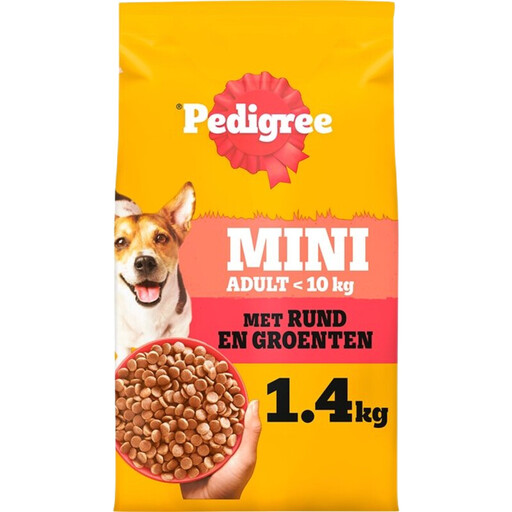
Why this suits the profile: This 1.4 kg bag is manageable for a household with one small adult dog up to 10 kg. The manufacturer states beef and vegetable flavour, small kibbles and a feeding guide of 25 to 140 grams per day, depending on weight.
The packaging lists analytical values: 22% protein, 13% fat and 2.2% crude fibre. This means you can verify your choice rather than relying solely on the flavour image.
Dry food for small adult dogs, with a clear feeding table and a compact pack size.
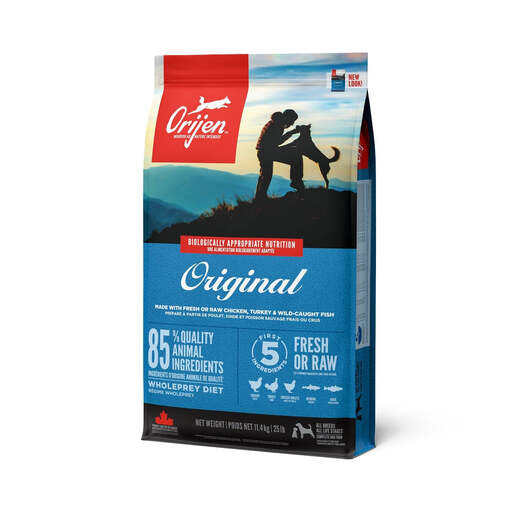
Why this suits the profile: According to the product information, this food contains 38% crude protein, 18% fat and various animal ingredients including chicken, turkey, fish and egg. The 11.4 kg bag suits households that buy in bulk and have enough dry, cool storage space.
The composition and analytical constituents are shown in detail. Do check whether a high-protein diet suits your dog, and bear in mind the relatively large bag size.
Complete food for all life stages according to the product information, with 11.4 kg contents and a stated energy content of 3860 kcal/kg.
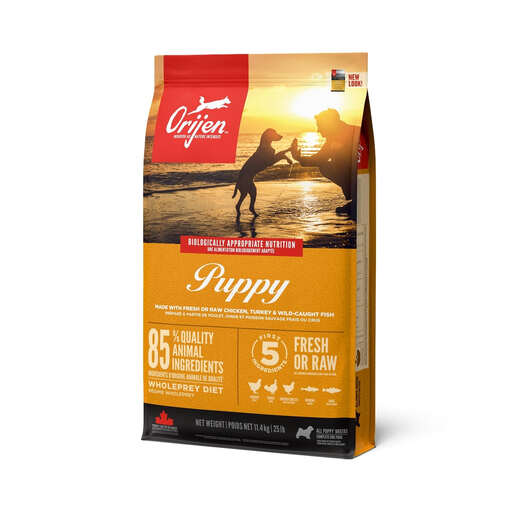
Why this suits the profile: According to the product description, this dry dog food is intended for puppies of all breeds. It contains at least 38% protein and 18% fat, and has a kibble size that should be suitable for puppies.
The life stage, transition period of 7 to 10 days and feeding instructions are all stated. Grain-free is a product specification here, not a general reason to choose this food for every puppy.
Designed for growing puppies, grain-free composition and a large bag for multiple dogs or intensive use.
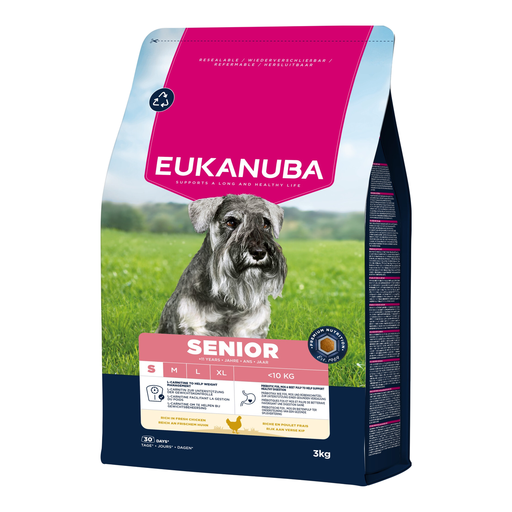
Why this suits the profile: According to the product description, this adult dog food is designed for small senior dogs from 11 years old. The 3 kg bag is manageable for a small dog and contains chicken as the stated animal protein source.
The target group and age are clearly stated. Check before purchase whether the age threshold and kibble size suit your dog.
3 kg contents, designed for small senior dogs and, according to the product information, a complete, balanced diet.
We’ve put together a full, up-to-date list of products that fully meet these strict selection criteria and comply with current European safety regulations.
That varies by brand and packaging. Seal the bag well after each feed and store the food in a dry, cool place. Check the best-before or use-by information on the label. If the food smells off or has become damp, don’t give it to your dog.
No. Grain-free dog food can suit a specific dietary choice, but it isn’t automatically necessary or better. Look at the full ingredient list, nutritional values and life stage. If you suspect an allergy or ongoing stomach issues, it’s wise to consult a vet.
Many adult dogs have their daily amount split over two meals. Puppies often need several smaller meals. Follow the feeding guide on the product and adjust the amount based on weight, activity and body condition.
