
Vandaag of morgen in huis

Kwaliteit gegarandeerd

Welkomstaanbiedingen ontgrendelen: GRATIS bezorging | Tot 80% korting | Gratis 30 dagen JoyPlus-proefperiode
Download de app
Buying a new bag of dog food or a box of wet food might seem straightforward. Yet terms like natural, premium, grain-free and hypoallergenic dog food don't always tell you enough about the actual ingredients. A high price tag is no guarantee that the food will suit your dog either.
As Joybuy's Product Recommendation Officer, I filter product information by verifiable points. That way, you can see more quickly which dog food matches your dog's age, size, activity level and any food sensitivities.
Packaging featuring venison, duck or lamb on the front can give the impression that this is the only protein source. Always check the full ingredients list. Dog food with venison, for example, may also contain fish, chicken or another animal source.
A recipe with one clearly named protein source can be more straightforward when you want to avoid certain ingredients. That doesn't automatically mean it's suitable for every dog with an allergy. If symptoms persist, it's wise to consult a vet.
Grain-free dog food contains no grains, but often includes peas, chickpeas, potato or sweet potato. So don't just look at the word "grain-free" – look at the overall composition and the analytical constituents.
According to product information from various brands, grain-free food is offered as an alternative for dogs that don't tolerate grains well. That's a product claim from the brand, not a guarantee for every dog.
Dog treats and dog snacks are intended as a supplement. They should not replace daily dog food. Pay particular attention to portion size, especially with small dogs. A soft jerky can easily be broken into pieces, but the total number of calories still counts.
With treats that have an unclear exact fat or protein percentage, it's harder to compare accurately. So use the nutritional values on the label and adjust the main meal accordingly.
Look for the label complete food or complete pet food. Then check whether the product is intended for:
An adult dog of a small breed doesn't automatically have the same nutritional needs as an active dog of a large breed. The feeding guideline on the packaging is a starting point. Weight, exercise and individual metabolism determine whether the portion needs adjusting.
Look at the first ingredients and at the analytical constituents. Relevant values are crude protein, crude fat, crude fibre, crude ash and moisture.
Wet food often shows lower percentages of protein and fat on the label than dry food because of its high moisture content. So you can't compare wet food and kibble on protein percentage alone. The water content also differs significantly.
For dog food for sensitive dogs, a short ingredients list can help you identify potential triggers more easily. "Hypoallergenic dog food" is not a universal guarantee, however. Check the protein sources and discuss an elimination diet with a vet when necessary.
When introducing a new product, switch gradually, usually over five to seven days, or follow the instructions on the packaging. A sudden change can upset digestion.
Once opened, practical differences apply:
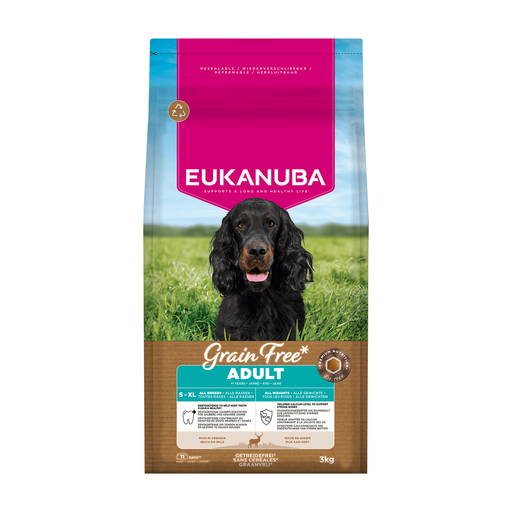
Why this fits the profile: The 3 kg bag is practical for trying out a recipe first. According to the product information, this food is intended for adult dogs of all breeds and contains venison as the animal protein source.
The product description mentions a grain-free recipe and lists alternative carbohydrate sources such as peas and sweet potato. Always check the full label if your dog has food sensitivities.
For adult dogs of all breeds; venison and sweet potato are mentioned in the product composition; 3 kg size.
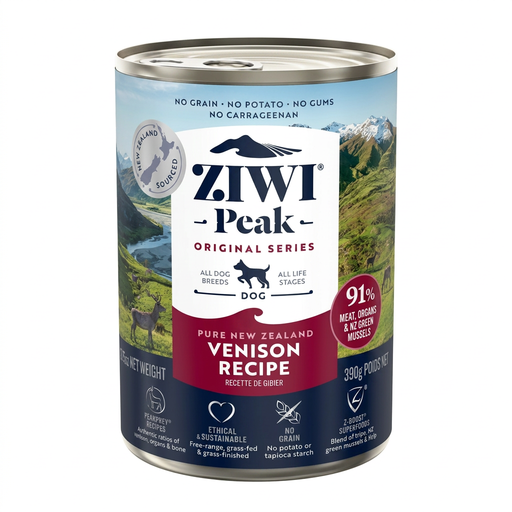
Why this fits the profile: According to the product information, this wet dog food has venison as its only named animal protein source and contains 92% venison meat, organs and bone.
The composition is clearly laid out and lists one main protein. The claim about being grain-free and supporting digestion comes from the brand's product information and is not an individual guarantee.
92% venison, organs and bone according to the label; minimum 10% crude protein; 390 g tin; complete wet food for all breeds and life stages.
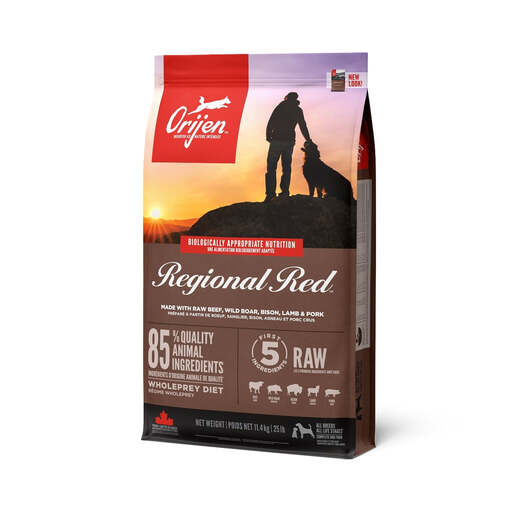
Why this fits the profile: The large bag is aimed at households with an adult dog that eats dry food daily. The composition contains multiple red meats, including beef, wild boar, bison, lamb and pork.
The extensive ingredients list makes it clear that this is not a single-protein food. That prevents you from confusing a product with multiple protein sources with hypoallergenic dog food.
11.4 kg content; 38% crude protein and 18% crude fat according to the product information; multiple meat and organ ingredients; intended as complete food.
We've put together a full, up-to-date list of products that fully meet these strict selection criteria and comply with current European safety regulations.
For training, soft dog treats are practical. According to the product information, MeatyWay Chicken Jerky Tender contains chicken as an ingredient, has a minimum of 30% crude protein and can be broken into small pieces. The variants with chicken and duck or duck and sweet potato are also presented as grain-free. Check the label if your dog is sensitive to a particular protein source.
Pedigree Ranchos Beef Flavor contains, according to the label, 95% meat and animal derivatives, of which 4% is beef. The treat is suitable for small, medium and large dogs, but the recommended amount varies by size. Treats remain a supplement and require supervision during eating.
That depends on your dog's preference, eating behaviour and nutritional needs. Wet food usually contains a lot of moisture and can be handy for dogs that don't drink much. Dry food is easy to portion and store. With both types, check whether it's complete food.
That depends on the dog's weight, the daily portion and the energy content of the food. Divide the weight of the bag by the daily amount in grams. A 10 kg bag with a 250 gram portion per day will theoretically last about forty days. Store kibble airtight and follow the best-before date.
Not automatically. Grain-free dog food excludes grains, but can contain other ingredients that a dog reacts to. Look at the full recipe, introduce new food gradually and ask a vet for advice if symptoms return.
