
Vandaag of morgen in huis

Kwaliteit gegarandeerd

Welkomstaanbiedingen ontgrendelen: GRATIS bezorging | Tot 80% korting | Gratis 30 dagen JoyPlus-proefperiode
Download de app
Choosing a bag of dog food seems simple—until you look at the ingredient list, nutritional values and feeding guide. Brands use terms such as premium dog food, grain-free and natural nutrition, but these labels do not automatically mean a product is right for your dog.
As a Joybuy Product Recommendation Officer, I filter the most important product information based on verifiable specifications. This helps you avoid paying primarily for marketing and compare dog food by age, size, composition and intended use.
Grain-free dog food contains no grains, but that does not necessarily make it more suitable. Peas, chickpeas, potatoes or sweet potatoes are often used as alternative carbohydrate sources. Always check the full ingredient list rather than relying solely on the front of the package.
A dog with a diagnosed food allergy will not automatically benefit from every grain-free product. If symptoms persist, consulting a veterinarian is a better approach than repeatedly changing foods.
A high crude protein content can be relevant for active dogs, but it does not, by itself, indicate how much energy your dog needs. Also consider crude fat, fibre, moisture and the recommended daily amount.
The protein percentage in wet dog food often appears lower than in dry kibble. This is largely due to its higher moisture content. Do not compare wet and dry food solely on the percentage shown on the label.
Terms such as natural, hypoallergenic and premium are not enough to select a product. Check whether the food is labelled as complete pet food and which life stage and dog size it is intended for.
A recipe with a single animal protein source can be practical when you want to keep the ingredient list straightforward. However, it is not automatically hypoallergenic. Cross-contamination, previous food and individual sensitivities may also play a role.
For adult dogs, adult dog food is formulated to support maintenance rather than growth. Also check whether the product is intended for:
A small dog may struggle with large kibble, while a large dog may need more food than the general guideline on the package suggests. Use body weight, activity level and body condition as your starting points.
Ingredients are generally listed in descending order by weight. Pay attention to the first ingredients and check whether the stated animal source is clearly identified. Fish-based dog food, such as cod or sea bass, differs in composition from dog food made with lamb or venison.
For a sensitive dog, using a limited number of animal protein sources can make the diet easier to assess. Transition to the new food gradually over approximately seven days, unless your veterinarian advises otherwise.
Look at crude protein, crude fat, crude fibre, crude ash and moisture. These figures help you compare products, but they are not a substitute for personalised nutritional advice.
Also check:
Additions such as glucosamine, chondroitin, omega-3 or probiotics are verifiable product specifications. Do not turn them into medical claims. According to the manufacturer’s product information, Orijen, for example, contains omega-3 fatty acids and glucosamine; that does not make it a treatment for joint or skin problems.
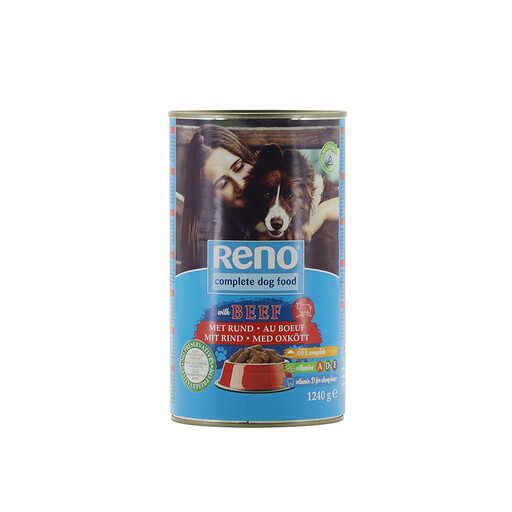
Why it fits: A practical choice for adult dogs when you are looking for wet food with beef in a larger pack.
The product information describes this as complete and balanced wet food for adult dogs. Always check the current packaging and feeding guidelines.
A 1.24 kg pack, beef chunks in gravy and suitability for adult dogs according to the product description.
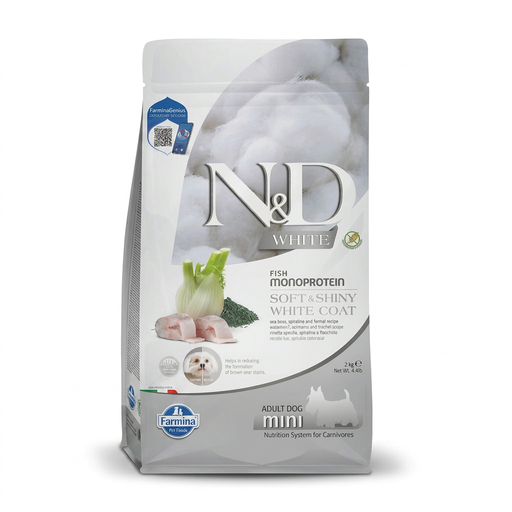
Why it fits: Designed for owners of small adult dogs looking for fish-based kibble in a smaller pack.
The ingredient list names sea bass, dehydrated sea bass protein and fish oil. This makes the composition verifiable rather than based solely on the front of the bag.
For small adult breeds; lists 23% crude protein, 18% crude fat and a 2 kg net quantity.
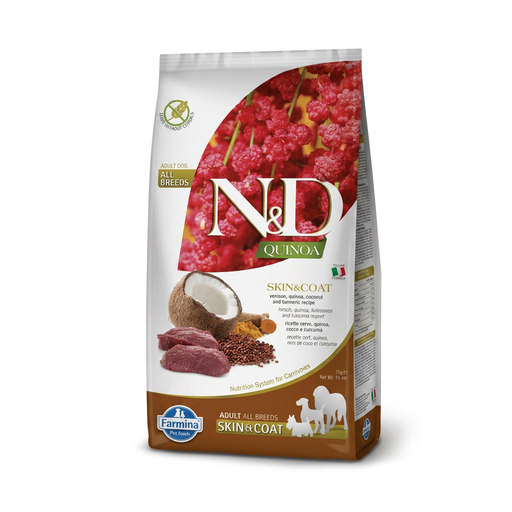
Why it fits: Intended for adult dogs of medium and large breeds whose owners are looking for a larger bag and venison as an animal protein source.
The product information specifies the intended audience, ingredients and analytical values. The term “skin & coat” remains product positioning, not a medical claim.
32% crude protein, 18% crude fat and a 7 kg pack; the composition includes venison, quinoa and fish oil.
Mix the new dog food gradually with the current food over seven to ten days. Start with a small proportion of the new food and increase it step by step. Monitor your dog’s stool, appetite and body condition. If clear or persistent problems occur, consult a veterinarian.
Store dry kibble sealed, in a cool and dry place. Wet dog food is best served at room temperature. According to the product information provided by many brands, unused portions should be refrigerated after opening and used within approximately 48 hours.
Browse a current selection of natural pet food and compare formats, protein sources, packaging and nutritional information in one place.
Choose a product labelled complete pet food for adult dogs and check its nutritional values and feeding guidelines. Adjust the quantity according to your dog’s weight, activity level and body condition. Food formulated for small breeds is not automatically suitable for a large dog, even when both dogs are adults.
Fish-based dog food may be suitable if your dog tolerates the listed ingredients well. Check the full composition for the fish species used and any other protein sources. If an allergy is suspected or symptoms persist, consult a veterinarian for a targeted approach.
This depends on your dog’s weight, daily portion and the size of the package. Divide the weight of the bag by the recommended daily amount. Use the table on the packaging as a starting point and adjust the portion gradually only if your dog’s body condition indicates that this is necessary.
