
Vandaag of morgen in huis

Kwaliteit gegarandeerd

Welkomstaanbiedingen ontgrendelen: GRATIS bezorging | Tot 80% korting | Gratis 30 dagen JoyPlus-proefperiode
Download de app
A bag of dog food featuring words such as “premium”, “natural” or “grain-free” can quickly seem like a safe choice. However, these terms do not tell the whole story. The composition, nutritional value and suitability for your dog are more important than the front of the packaging.
The three most common pitfalls when buying dog food:
For everyday use, preferably choose a product described as complete food for dogs. This means that, according to the product information, it is intended to be given as the main meal. Also pay attention to the target group:
If your dog has health problems, food allergies or a significantly unusual weight, it is sensible to consult a vet. A product description alone is not a substitute for personalised nutritional advice.
The table of analytical constituents provides a better basis for comparison than general claims. At a minimum, look at:
According to the product information provided, Orijen Original Prey contains 38% crude protein, 18% crude fat and 12% moisture. Acana Classics Grasslands lists 27% protein, 16% fat and 12% moisture. These percentages do not automatically create a ranking; they mainly show that the formulas have been composed differently.
Grain-free dog food contains no grains, but usually does contain other sources of carbohydrates, such as peas, lentils, chickpeas or sweet potato. Grain-free therefore does not automatically mean that a product is easier to digest or more suitable.
When choosing dog food for sensitive dogs, it is more useful to examine the full ingredients list. Make a note of which protein sources your dog has tolerated well in the past. For example, a lamb recipe may also contain chicken or fish. According to the product description, the Eukanuba Grain Free formula with venison is offered as a grain-free recipe, with peas and sweet potato as alternative sources of carbohydrates. If you suspect an allergy, always check the packaging and discuss an elimination diet with your vet.
Claims relating to dog food with omega 3 also deserve a clear-eyed assessment. Look at the stated amount of omega 3, DHA or EPA and at the source, such as fish oil or fish ingredients. According to the product information, Orijen Original contains 1% omega 3, 0.3% DHA and 0.2% EPA. These are verifiable product specifications; they are not a medical promise.
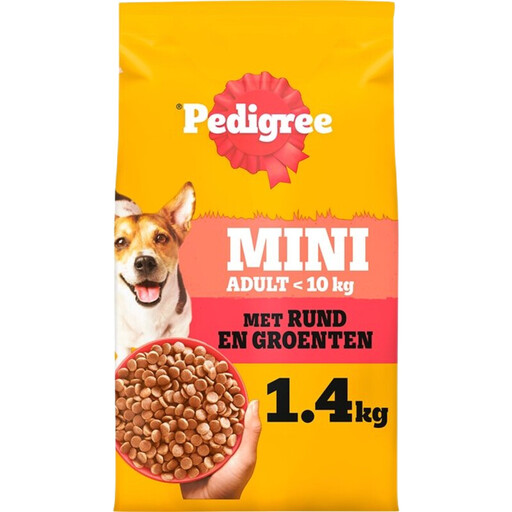
Why it suits this profile: This 1.4kg bag is a manageable option for anyone wanting to try dog food for small dogs without immediately buying a large supply. The stated target group is adult dogs weighing under 10kg.
The composition and feeding guidelines are clearly shown. You can see, among other details, 22% protein, 13% fat and portions by body weight, rather than just general marketing terms.
Dry kibble, a smaller size and a recommended daily amount of 25 to 140 grams for dogs weighing 1 to 10kg.
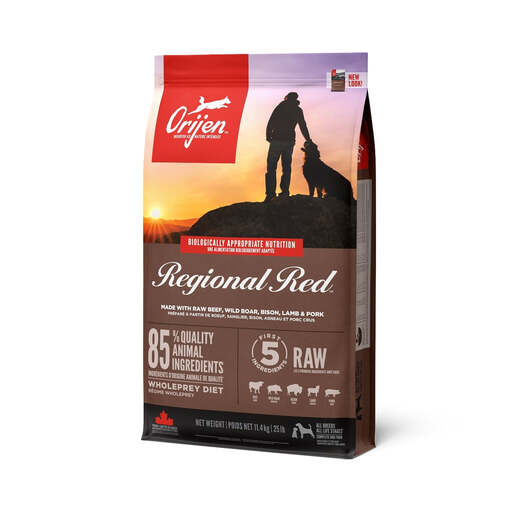
Why it suits this profile: A large bag suits households with an adult dog who want to pay close attention to an extensive ingredients list containing multiple animal sources.
The ingredients list names the animal sources and analytical values separately. This allows you to check protein, fat, omega 3 and minerals directly.
Lists 38% crude protein, 18% crude fat, 1% omega 3, as well as glucosamine and chondroitin in the product specifications.
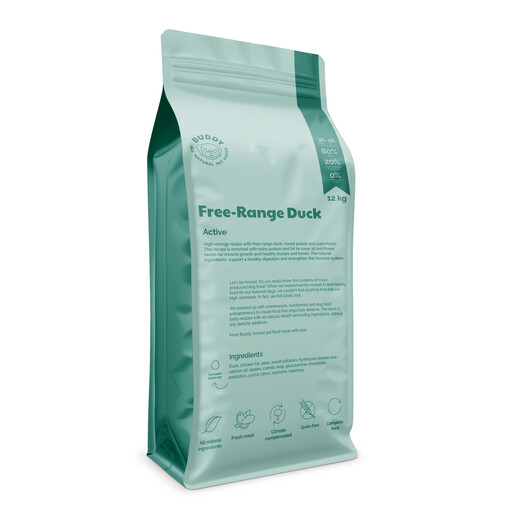
Why it suits this profile: The composition is aimed at large, active and working dogs. The 12kg bag is practical when daily food requirements are higher.
The product information gives specific proportions: 80% animal ingredients and 20% vegetables, fruit and other plant-based ingredients. Glucosamine and chondroitin are also listed with their dosage.
Chicken-free main recipe with duck, sweet potato and salmon oil; the kibble is round and flat, measuring approximately 1.2–1.6cm.
We have put together a complete, up-to-date list of products that fully meet these strict selection criteria and the applicable European safety regulations.
Choose puppy food that is clearly intended for your dog’s age and expected size. A formula for medium-sized or large puppies may have different feeding guidelines from food for small breeds. Farmina N&D Pumpkin Lamb Puppy Medi/Maxi and Eukanuba Life Care Dog Puppy Medium Chicken are examples of products specifically offered for puppies. Always follow the portion table on the label.
Not necessarily. Grain-free dog food usually replaces grains with other sources of carbohydrates. It may suit a specific dietary choice, but “grain-free” does not automatically say anything about overall nutritional value or tolerance. Compare the full composition and consider your dog’s previous reactions.
This depends on the packaging, the product and the storage conditions. Seal the bag properly after every meal, store the food in a cool, dry place and use the best-before information on the packaging as a guide. A smaller bag may be sensible if your dog eats little or the food is used slowly.
