
Vandaag of morgen in huis

Kwaliteit gegarandeerd

Welkomstaanbiedingen ontgrendelen: GRATIS bezorging | Tot 80% korting | Gratis 30 dagen JoyPlus-proefperiode
Download de app
A bag of dog food labelled “premium”, “natural” or “grain-free” can seem like an obvious choice. But an eye-catching front label tells you little about whether it’s right for your dog. The best choice depends mainly on your dog’s life stage, size, activity level, the food’s ingredients and how you plan to use it.
Grain-free dog food contains no grains, but that doesn’t mean every dog needs it. Instead of grains, manufacturers may use ingredients such as peas, chickpeas, sweet potato or quinoa as a source of carbohydrates. Always check the full ingredients list and make sure the food is suitable for your dog.
A high crude protein percentage may appeal if you have an active dog, but the source of that protein matters just as much. Check whether the animal ingredients are clearly listed, such as salmon, duck, venison, cod or poultry. Also look at the fat content and recommended daily amount.
Once opened, dry dog food is most practical when the bag can be resealed properly and is stored somewhere cool and dry. However, a 12 or 14.5 kg bag may stay open for a long time if you have a small dog. This can affect how appealing the food is. Opened wet dog food, on the other hand, needs to be used within a short period and usually kept in the fridge.
The packaging should clearly state which life stage the food is intended for. Adult dogs have different nutritional needs from puppies and senior dogs. Kibble size may also be relevant.
A product sold as complete and balanced dog food should be suitable as a main diet when fed according to the information on the label. Always follow the European labelling information and feeding guidelines on the packaging.
Ingredients are generally listed in descending order by weight, so check which ones appear first. Dog food containing game, for example, may list venison, wild boar or reindeer. Fish-based dog food often includes salmon, cod, herring or sea bass.
A single animal protein source can make it easier to see what’s in the food if you want to avoid certain ingredients. However, that doesn’t automatically make it hypoallergenic dog food. If you suspect a food allergy or your dog has ongoing symptoms, it’s a good idea to speak to a vet.
Compare at least:
Dry kibble contains little moisture, while wet food has a much higher moisture content. This means you can’t compare protein and fat percentages in dry and wet food like for like without taking moisture content into account.
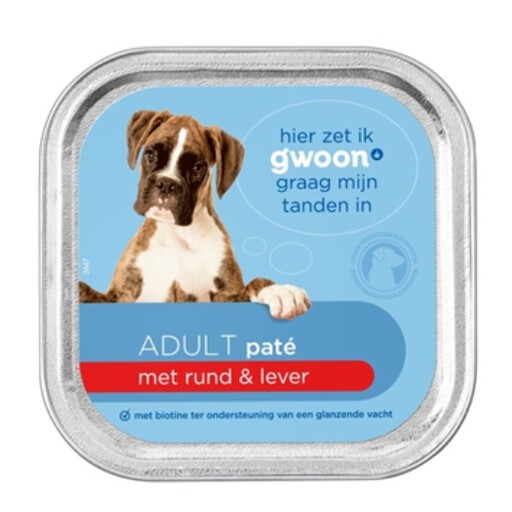
Why it suits this profile: The 150-gram portion is handy for trying the food first or serving as part of a measured feeding plan. Its pâté texture may suit dogs that prefer soft food.
You won’t need to buy a large supply before you know whether your dog likes beef and liver. Once opened, keep the cup in the fridge and use within 48 hours.
150 g per cup, with a soft texture and beef and liver ingredients. Check the label to see whether it’s a complete food or a complementary food.
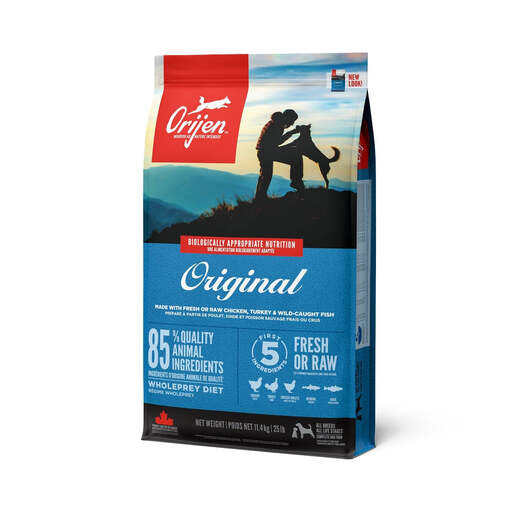
Why it suits this profile: This large bag is aimed at dog owners looking for a detailed ingredients list and several animal protein sources for everyday feeding.
The product information lists specific ingredients and analytical values, including 38% crude protein and 18% crude fat. This makes it easier to compare the formula with other premium dog food options.
Made with chicken, turkey, herring, cod and egg; according to the product information, it contains omega-3, DHA, EPA and 300 mg/kg glucosamine.
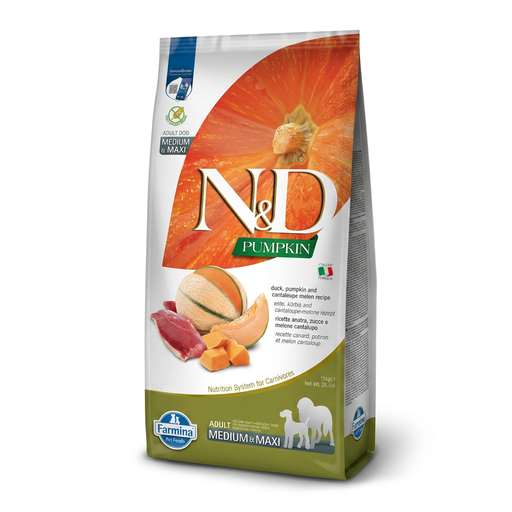
Why it suits this profile: This variety is intended for adult medium and large dogs. The generous pack size is a good fit for households with a larger or active dog.
The product description gives details of the intended dog size, ingredients and feeding guide. The grain-free formula contains duck, fish, pumpkin, peas and chickpeas.
12 kg of dry food for adult medium/maxi dogs, with 32% crude protein and 18% crude fat according to the stated analytical values.
Dry dog food is easy to portion and often practical for everyday use. Seal the bag securely after use and use a measuring cup or kitchen scales to avoid overfeeding.
Wet dog food contains more moisture and may appeal to dogs that prefer soft food. Check whether it’s a complete food or a complementary food. Once opened, it should be kept in the fridge according to the label.
You can combine the two, but adjust the total amount. Don’t serve the full recommended portion of dry food as well as the full portion of wet food. When introducing a new product, switch over gradually – for example, over about seven days – to make the transition easier to manage.
If your dog has food sensitivities, it’s important to note down the protein sources and all the animal ingredients. A formula containing game, fish or one clearly named protein source can make it easier to compare products, but “hypoallergenic” isn’t a guarantee that it will suit every dog.
Also check for ingredients such as fish oil, sources of fibre, prebiotics and grains. According to brands’ own product information, these ingredients may support particular nutritional goals, such as skin, coat or digestion. Don’t treat these statements as medical claims. If your dog has itching, digestive problems or other ongoing symptoms, a vet should advise on the right approach.
We’ve put together a complete, up-to-date list of products that meet these strict selection criteria and the current European safety requirements.
That depends on the product and packaging. Seal dry food securely after each use, store it somewhere cool and dry, and follow the best-before date on the bag. Wet food generally needs to be refrigerated after opening and used within the period stated on the label.
Gradually mix the new food with the old food. Start with a small proportion of the new food and increase it over about seven days. Keep an eye on your dog’s appetite, stools and behaviour. If you notice any clear problems, you can pause the transition and ask a vet for advice.
Monthly costs depend on your dog’s body weight, activity level, the food’s energy content, portion size and pack size. So don’t compare only the price per bag: work out the price per kilogram as well as the daily amount according to the feeding guide. This gives you a more realistic idea of the cost of feeding your dog.
