
Vandaag of morgen in huis

Kwaliteit gegarandeerd

Welkomstaanbiedingen ontgrendelen: GRATIS bezorging | Tot 80% korting | Gratis 30 dagen JoyPlus-proefperiode
Download de app
Choosing the right dog food and dog treats seems simple, until you start comparing labels. One product is a complete meal, while another is merely a reward. Terms such as “natural”, “grain-free” or “with chicken” do not tell the whole story either.
For dog owners in the Netherlands, these three common pitfalls are particularly important:
The packaging will generally state whether the product is complete feed or complementary feed. Dry dog food and many types of wet dog food are intended as everyday food when they are labelled as complete feed.
Treats such as INABA Fun Bites, Pedigree Jumbone and chew bones are complementary. Include them within your dog’s daily calorie intake. For several products in the available information, the guideline is that treats should provide no more than 10% of daily calories. If necessary, reduce the main meal and always follow the feeding advice on the packaging.
The right food depends on your dog’s life stage and size:
Age claims can vary from one brand to another. For example, the Pedigree Jumbone Mini product states that it is intended for adult small dogs weighing up to 15 kg and is not suitable for young puppies. These kinds of restrictions are more important than a general image of a puppy or small breed on the packaging.
Ingredients are generally listed in descending order by weight. So, when choosing dog food with chicken or dog food with lamb, check how much of that ingredient is actually present.
Examples:
A high protein percentage is not automatically suitable for every dog. Also consider fat, fibre, moisture, energy per kilogram and the recommended daily portion. In wet food, the protein percentage often appears lower because of the high moisture content. Therefore, do not compare wet and dry food based on a single percentage alone.
Grain-free dog food contains no cereals, but that does not mean it is automatically necessary or suitable. In grain-free recipes, cereals are often replaced with ingredients such as peas, lentils, potatoes or sweet potatoes.
According to the product information, Orijen Original Prey and Buddy Free-range Duck are grain-free. Farmina N&D Pumpkin Lamb also states that it has a grain-free composition. If your dog has a sensitivity, always check the full label: a recipe may contain chicken or other protein sources as well as lamb. If you suspect an allergy or intolerance, seeking advice from a vet is wiser than repeatedly changing food yourself.
Dog biscuits and dog treats are useful as rewards during training, but pay attention to size, calories and frequency. According to the product information, soft INABA Bites and Fun Bites are intended as small rewards or food toppers. Once opened, these products should be refrigerated or used within the stated period.
When choosing dental sticks for dogs and dog chew bones, these points are particularly important:
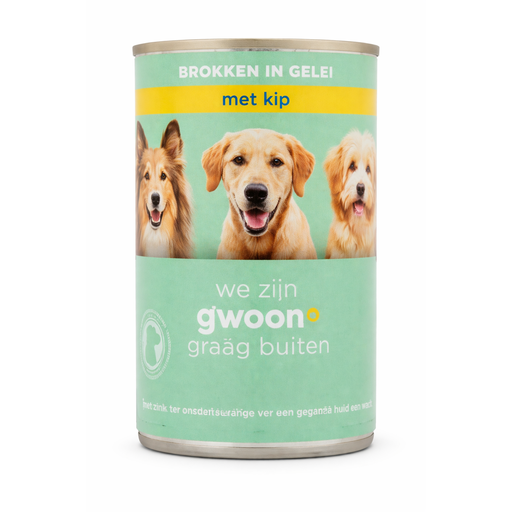
Why it suits this profile: A 415-gram tin is easy to portion and intended as complete wet food for adult dogs.
The product information makes it clear that this is adult food, not puppy food.
Chicken in jelly, 415 g per tin and easy storage; refrigerate after opening and use within two days.
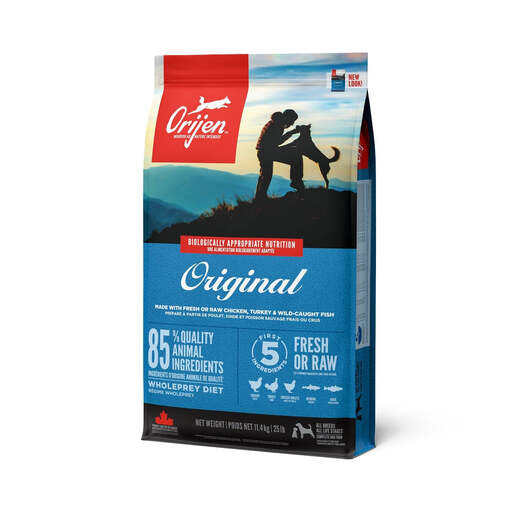
Why it suits this profile: The detailed ingredients list and stated analytical values make it easier to compare the product in detail.
The packaging states that this is complete food; however, check the life stage and feeding guidelines for your dog.
11.4 kg, 38% crude protein and a recipe with chicken, turkey, fish and egg; grain-free according to the product information.
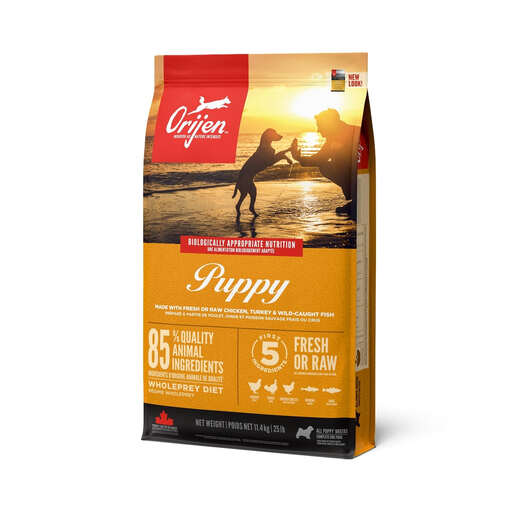
Why it suits this profile: Designed for puppies of different breeds, with a feeding schedule that takes age and weight into account.
The product information explicitly mentions puppies and recommends a gradual transition over seven to ten days.
11.4 kg of dry food, 38% crude protein and a grain-free composition with chicken, turkey, egg and fish.

Why it suits this profile: A simple complementary treat for medium-sized dogs, with clear usage instructions.
This variety is specifically labelled for medium-sized dogs and gives one stick per day as a guideline.
180 g pack, 1% crude fat and a composition with cereals, vegetable protein extracts and minerals.
We have put together a complete, up-to-date list of products that fully meet these strict selection criteria and the applicable European safety regulations.
Dry food contains little moisture and is easy to weigh and store. Wet food contains a lot of moisture and is often sold in portions. Compare products based on whether they are complete, their ingredients, energy content and the total daily portion. Combining the two may be possible, but adjust the quantity and introduce the change gradually.
This depends on weight, activity, age and the type of treat. Follow the guideline on the packaging and, preferably, keep complementary food below 10% of daily calorie intake. For small dogs, even a few dog biscuits can provide a relatively high number of calories.
Store dry food and treats in a sealed container in a cool, dry place. Opened wet food should be covered and kept in the fridge. The stated shelf life varies by product: some INABA products must be used within 24 hours, while g’woon wet food should be consumed within two days according to the product information. Always check the original packaging.
Check all protein sources, cereals and additives rather than just the front of the packaging. For example, a recipe with lamb may also contain chicken. If skin, stomach or intestinal problems keep recurring, consult a vet.
