
Vandaag of morgen in huis

Kwaliteit gegarandeerd

Welkomstaanbiedingen ontgrendelen: GRATIS bezorging | Tot 80% korting | Gratis 30 dagen JoyPlus-proefperiode
Download de app
Buying a bag of dog food might seem straightforward – until you start comparing labels. One pack highlights chicken, fish or vegetables, while the actual ingredients are listed in small print at the bottom. An attractive price also means little if your dog doesn’t tolerate the food well, or if a treat turns out to be a supplement rather than a complete meal.
As Joybuy’s Product Recommendation Officer, I filter the key information from product descriptions so you can make a more informed choice. In this guide, you’ll discover what to look for when choosing dog food, wet dog food, dry dog food, kibble and dog treats.
A pack labelled “chicken”, “beef” or “fish” on the front doesn’t automatically mean that ingredient makes up a large proportion. Always check the ingredients list. Ingredients are typically listed in descending order by weight.
For example, Farmina N&D Ocean Series Cod and Pumpkin Adult Small Dog Food lists cod as the first ingredient, with 25% cod and a further 25% dehydrated cod protein according to the product description. That’s far more specific than just a flavour claim.
Dog treats are usually intended as complementary food. The MeatyWay Chicken Tenders, according to the product information, contain just one ingredient: chicken. The packaging also states that this treat is only for intermittent or supplementary feeding. So give such treats alongside a complete meal, and keep an eye on the total daily amount.
An adult small dog doesn’t automatically need the same kibble size or nutritional requirements as a large dog. For senior dogs, a softer texture can be more comfortable, but “senior” on the packaging doesn’t replace checking the ingredients and feeding guidelines.
Also watch out for confusing product titles. A product name might say “Puppy”, for instance, while the description mentions a variant for adult small dogs. Always check the current packaging, age category and feeding instructions before you order.
Look on the label for an indication that the product is a complete pet food. This means it’s intended as a daily meal within the stated feeding guidelines. A treat, topper or snack is usually complementary food and shouldn’t simply replace the main meal.
If in doubt, check:
Don’t just look at the protein percentage. With dry dog food, the moisture content is much lower than with wet food, so the percentages aren’t directly comparable.
For example, Farmina N&D Sea Bass, Spirulina and Fennel Adult Mini states 23% crude protein, 18% crude fat, 2.9% crude fibre and 9% moisture. The product is designed for adult dogs of a mini size and comes in a 2 kg pack.
With wet dog food, the moisture content is generally higher. This affects the texture, weight and the amount you feed per day. A tin or tray can therefore appear larger than a comparable amount of dry food.
Choose dog food based on the information on the packaging:
If your dog has a sensitive stomach, it’s wise to introduce a new product gradually. Keep an eye on any changes in appetite, stools or behaviour, and consult a vet if problems persist.
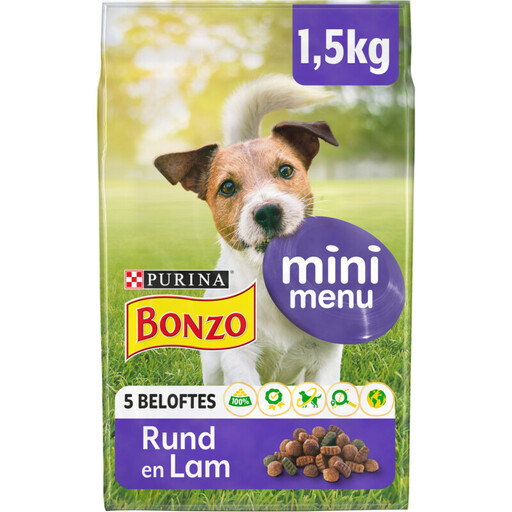
Why this fits: A practical choice for owners of small adult dogs who want a daily meal with smaller kibble.
The product description explicitly mentions adult small dogs up to 10 kg and smaller kibble. Still double-check this against the label on the packaging.
According to the product information, the beef and lamb variety contains wholegrain cereals, B vitamins and omega-3 and omega-6 fatty acids.
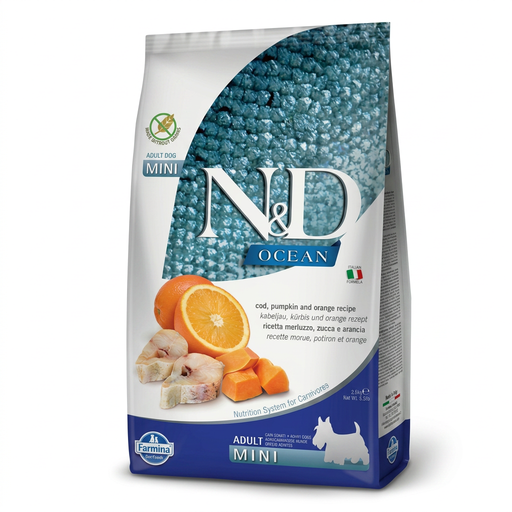
Why this fits: For those looking for fish-based dog food for an adult small dog and who want to assess the ingredients list carefully.
The product description gives concrete percentages for cod and mentions a 2.5 kg bag. This makes comparison easier than a vague flavour claim.
According to the ingredients, the product contains cod, herring fish oil, pumpkin, carrot and added vitamins and minerals.
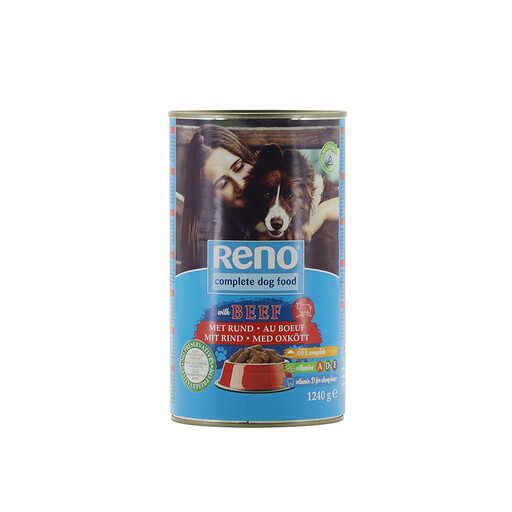
Why this fits: A large pack of wet dog food can be practical when you feed regularly or have multiple dogs at home.
The product description states it’s a complete meal for adult dogs and advises using opened portions within 48 hours when refrigerated.
The variety contains beef chunks in sauce and has a net weight of 1.24 kg. Store unopened packs in a cool, dry place.
A combination of dry dog food and wet food can be handy for variety, but adjust the total portion accordingly. Use the feeding guidelines on the packaging as a starting point, and consider your dog’s body weight, activity level and condition.
For a soft meal, you could choose a dog pâté, such as g’woon Dog Pâté Beef (300 g), or g’woon Adult Dog Pâté Lamb Chicken. For older dogs, there’s g’woon Senior 7+ Pâté with Beef and Poultry. According to the product description, this variety is intended for senior dogs and has a smooth pâté texture. Always check the full ingredients on the packaging for such claims.
For rewards, options include MeatyWay Chicken Tenders, MeatyWay Chicken and Apple, and MeatyWay Chicken and Banana. According to their descriptions, these products contain chicken, chicken with apple, and chicken with banana respectively. Give treats in small portions and supervise your dog while eating. A dog treat does not replace a complete dog food.
Browse a current selection of dry food, wet food, kibble, pâté and dog treats. Compare age, size, flavour, pack size and nutritional information before you choose.
Gradually mix the new food with the current food over several days. Increase the proportion of the new product each day, as long as your dog tolerates it well. Always follow the feeding advice on the packaging.
That depends on the brand, pack size, ingredients and daily amount. Wet food contains more moisture, so you often need a larger quantity. Compare the price per daily portion rather than just the price per tin or bag.
Store dry food in a sealed container in a cool, dry place. Opened wet food should generally be refrigerated according to the product instructions. Some product descriptions advise using it within 48 hours. Always check the label and the best-before information on the packaging.
