
Vandaag of morgen in huis

Kwaliteit gegarandeerd

Welkomstaanbiedingen ontgrendelen: GRATIS bezorging | Tot 80% korting | Gratis 30 dagen JoyPlus-proefperiode
Download de app
Buying a bag of dog food seems simple, until you compare ingredient lists, feeding guidelines and different product claims. A higher price does not automatically mean a product is better suited to your dog. Words such as “natural”, “premium” or “high in meat” also say very little without verifiable information on the label.
The most common pitfalls when choosing dog food are:
The packaging should state whether the product is complete pet food or complementary pet food. Complete food is intended as a daily meal, within the recommended portions. Complementary food can be given as a reward, snack or supplement.
A product such as INABA Fun Bites Chicken with Sweet Potato is described in the product information as complementary food. According to the description, the 40-gram pack contains 82% moisture, and the recommendation is to give one or two sachets a day as a reward. It therefore does not replace a complete meal.
The same applies to dog treats, dog snacks and chew bones for dogs. As a general guideline, snacks should provide no more than around 10% of your dog’s daily energy intake. Adjust the meal if you give rewards regularly.
A puppy has different nutritional needs from an adult dog. Look for terms such as “puppy”, “adult” and “all life stages”. The size of the kibble can also be important for small breeds.
According to the product description, Eukanuba Life Care Puppy Medium Chicken is intended for puppies of medium-sized breeds aged from 1 to 12 months. Eukanuba Life Care Adult Small/Medium Lamb & Rice, on the other hand, is aimed at adult dogs of small and medium-sized breeds aged between 1 and 7 years.
For large, active or working dogs, a higher-energy dry dog food may be more practical. For example, BUDDY Free-range Duck Dog Food states that it contains 80% animal ingredients and 20% vegetables, fruit and other ingredients. The product information describes it as suitable for large, active and working dogs. With this type of food, always check the recommended quantity and your dog’s body condition.
Do not compare only the flavour, such as chicken dog food, beef dog food, lamb dog food, duck dog food or venison dog food. Also look at:
When changing food, a gradual transition over around 7 to 10 days is often practical. Always provide fresh drinking water as well. If symptoms persist, your dog has a known allergy or requires a special diet, it is sensible to consult a vet.
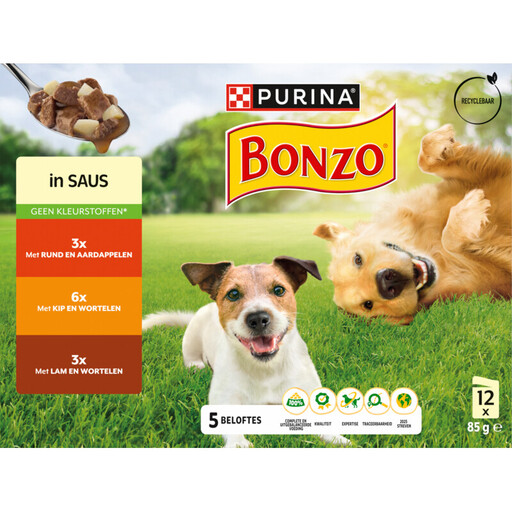
Why it suits this profile: According to the product information, the meal pouches contain complete food for adult dogs and can be served on their own or together with dry food.
The “complete and balanced” designation clearly distinguishes it from a snack. Always check the exact portion size and storage instructions on the packaging.
Wet food in portioned pouches, flavours with chicken and lamb, and suitable for adult dogs.
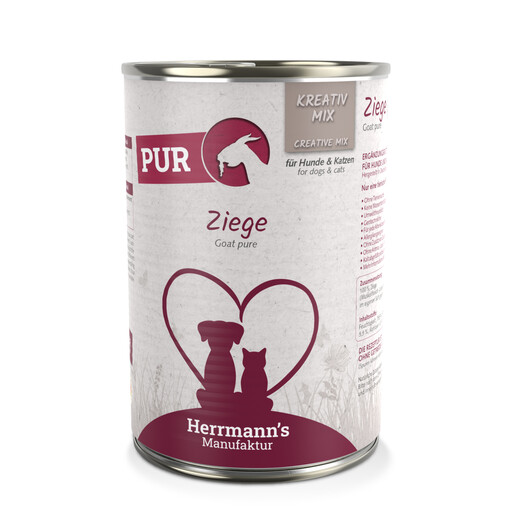
Why it suits this profile: The product description lists certified organic ingredients and a short composition of 100% goat: muscle meat, lung and heart.
The ingredient list is clear and easy to understand. The organic quality claim comes from the brand’s product information; check the certification mark and current packaging yourself.
400 grams of wet food, 79.9% moisture and analytical values of 10.4% protein and 5% fat.
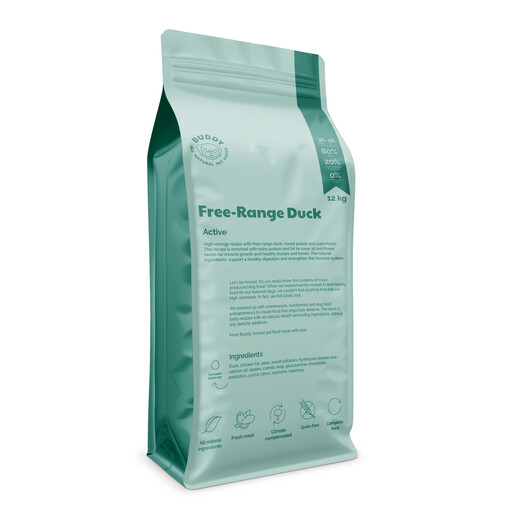
Why it suits this profile: The large bag and the stated composition with duck, sweet potato and other ingredients are suitable for households with a large or active dog.
The product information identifies the target group and states that the kibble is approximately 1.2 to 1.6 cm in size. This lets you assess suitability more specifically than relying on marketing language alone.
12 kg pack, duck as the stated animal source and, according to the description, grain- and gluten-free.
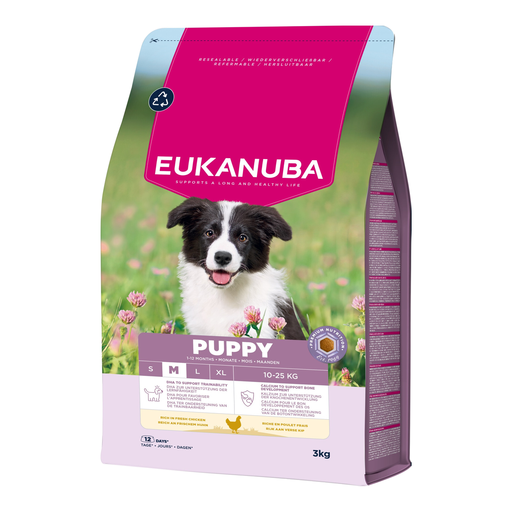
Why it suits this profile: According to the product information, this dry dog food has been developed for medium-sized puppies aged from 1 to 12 months.
The age range and breed size are clearly specified. This helps prevent you from choosing adult dog food for a puppy.
3 kg pack, chicken as the stated protein source and a recipe with DHA, calcium and a fibre blend, according to the product description.
We have put together a complete, up-to-date list of products that fully meet these strict selection criteria and the applicable European safety regulations.
Not necessarily. Wet food generally contains more moisture and can be useful for dogs that prefer soft food. Dry food is easy to portion and store. With both types, check whether they are complete food and adjust the portion according to the energy content.
That depends on your dog’s weight, daily portion and pack size. A large bag of dry food may offer better value per kilogram, but do not buy more than you can use before it has been open for too long. Store food in a dry, cool place and keep it tightly sealed.
Yes, but keep the quantity limited. Dog snacks, soft bites and chew bones for dogs are complementary food. Give them within the recommended amount and take extra care to supervise your dog with chew products. If your dog has a sensitive stomach, it is best to introduce new snacks one at a time.
