
Vandaag of morgen in huis

Kwaliteit gegarandeerd

Welkomstaanbiedingen ontgrendelen: GRATIS bezorging | Tot 80% korting | Gratis 30 dagen JoyPlus-proefperiode
Download de app
A bag of dog food featuring an appealing photograph and terms such as “premium”, “natural” or “grain-free” does not necessarily mean the food is right for your dog. The right choice depends on your dog’s age, size, activity level, portion size and which ingredients they tolerate well.
In this buying guide from the Joybuy Product Recommendation Officer, you’ll learn what to look for in dog food, which marketing claims need further explanation and which popular choices suit different situations.
“With chicken”, “with lamb” or “with fish” does not automatically mean that ingredient is the main component. Check the ingredients list and pay attention to the order and the percentages shown. Some products, for example, prominently feature a particular type of meat on the front, while the recipe also contains grains, plant-based protein sources or animal by-products.
Grain-free dog food may suit a specific dietary preference or be appropriate if your vet recommends this approach. However, grain-free does not automatically mean the food is easier to digest or suitable for every dog with a sensitive stomach. Also look at alternative carbohydrate sources, fat content and the full composition.
A large bag of dry dog food may seem better value, but an energy-dense recipe may require a smaller daily portion. Conversely, a smaller bag may be more practical if your dog eats slowly or you want to see how they respond to a new food first. Also check the best-before date and, once opened, store the food in an airtight container in a cool, dry place.
Choose dog food for the right life stage:
Small kibble may be more practical for a small dog. Larger, easy-to-handle kibble may be a better fit for medium-sized or large dogs. Suitability is indicated by the product information and feeding guidance on the packaging, not just by the breed image.
Look for a clear indication such as complete petfood or complete and balanced dog food. According to the product information, this means the food can be used as a daily diet within the stated target group. Also check that the target group is right: adult dogs, all life stages or a specific breed size.
The feeding guidelines on the packaging are a starting point. Adjust the daily amount according to your dog’s weight, activity level, age and body condition. Always provide fresh drinking water.
Don’t compare only the protein percentage. Also look at:
According to information provided by the brands themselves, such ingredients are associated with supporting areas such as digestion, coat or joints. These are manufacturer product claims and do not guarantee an individual result. If your dog has persistent symptoms, food reactions or a medical condition, consult a vet.
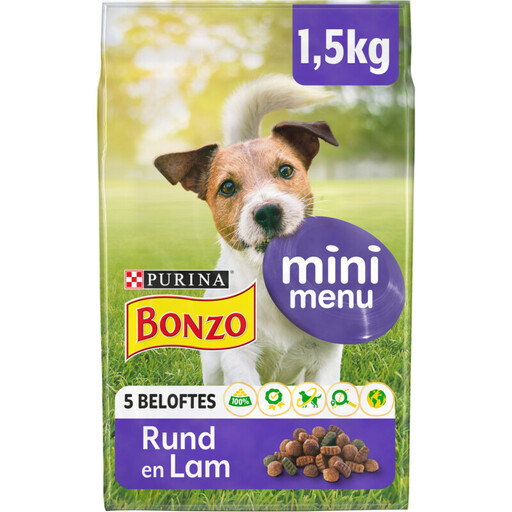
Why it suits this profile: According to the product information, this is complete food for small adult dogs weighing up to 10 kg, with smaller kibble and a beef and lamb recipe. This makes it a practical choice if you want to get started simply.
The target group, kibble size and complete nutritional status are clearly stated. You therefore don’t have to rely only on the flavour name or packaging.
Small kibble; intended for adult dogs weighing up to 10 kg; according to the product description, contains omega 3 and 6 and whole grains.
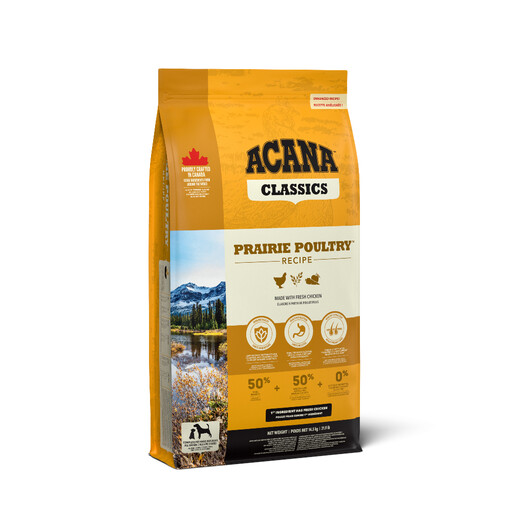
Why it suits this profile: The product specification states that it contains 50% animal ingredients, oats and vegetables, and is complete food for all life stages. This provides plenty of information for comparing the composition.
The ingredients list and analytical values are shown in detail. This allows you to compare the claim about animal ingredients with the protein, fat and fibre content.
27% crude protein; 16% crude fat; 0.50% omega 3 and 2.60% omega 6 according to the product details.
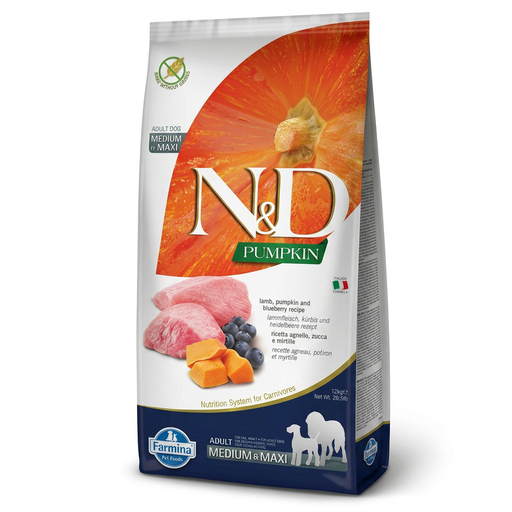
Why it suits this profile: According to the product information, this grain-free dog food is intended for medium-sized and large adult dogs. The recipe contains lamb, herring, pumpkin and fish oil.
The target group and nutritional status are specified clearly. However, check beforehand whether grain-free food suits your dog and follow the recommended transition and portion guidance.
12 kg pack; lamb and fish listed as animal ingredients; pumpkin and fish oil in the recipe.
We’ve compiled a complete, up-to-date list of products that fully meet these strict selection criteria and the applicable European safety regulations.
There is no universal choice for every sensitive dog. Check the protein sources, grains, fats and fibre on the label. A recipe with lamb, fish or a grain-free composition may suit a particular preference, but always monitor your dog’s response. If you suspect a food allergy, guidance from a vet is advisable.
Use the feeding guide on the packaging as a starting point and adjust the amount according to your dog’s weight, age, activity level and body condition. An active large dog will generally need a different portion from a calm small dog. You may wish to divide the daily portion between two meals, and always provide fresh water.
This varies by product and packaging. Check the best-before date and any instructions about use after opening. Seal the bag securely, store the food in a cool, dry place and don’t buy a larger pack than you can use within a reasonable period.
