
Vandaag of morgen in huis

Kwaliteit gegarandeerd

Welkomstaanbiedingen ontgrendelen: GRATIS bezorging | Tot 80% korting | Gratis 30 dagen JoyPlus-proefperiode
Download de app
Choosing the right option from all the dog food available in Dutch online shops is not always easy. Packaging uses terms such as “premium”, “natural”, “grain-free” and “high in animal protein”. These words sound appealing, but they only tell you something when you check the full composition and nutritional values.
Before buying dog food, focus on three main points: your dog’s life stage, size and activity level, and whether the product is complete pet food. Below, we set out the main pitfalls and specifications in a clear overview.
A recipe containing chicken, fish or lamb may sound appealing, but always check the product’s legal name. If it says “complete pet food for adult dogs” or “complete food for puppies”, it is intended to provide complete daily nutrition according to the product information. Complementary pet food has a different purpose.
This is also important when choosing wet dog food. A multipack can be convenient for portioning and variety, but check that it is suitable for dogs and labelled as complete food. Not every product containing meat or gravy is automatically suitable for daily use.
Grain-free dog food contains no grains, but that does not automatically make it suitable for every dog. Ingredients such as peas, chickpeas, potato or sweet potato may be used instead of grains. So look at the complete ingredients list, protein content, fat content and feeding guidelines.
If your dog has a sensitive stomach, it is wiser to introduce changes gradually. If problems persist or your dog is on a prescribed diet, discuss your choice with a vet. A brand’s marketing claims are no substitute for personalised nutritional advice.
A high crude protein percentage does not automatically mean that every dog will benefit from it. Also compare the fat content, crude fibre, moisture content and recommended daily portion. Dry dog food generally contains much less moisture than wet food, so the percentages cannot be compared on a like-for-like basis.
Also pay attention to the pack size. A 12 kg bag may seem good value, but only if your dog tolerates the food well and the shelf life after opening remains practical.
Puppy food is formulated for growth and has different feeding guidelines from adult dog food. Also check whether the variety is intended for small dogs, medium-sized dogs or large breeds. Kibble size, energy density and portion recommendations may vary.
Puppy food packaging often states an age or weight indication. The product information for Orijen Puppy Formula, for example, states that it is suitable for puppies of different breeds, with a transition period of 7 to 10 days. According to the product description, Farmina N&D Prime Chicken Puppy is intended for puppies of medium to large breeds.
Compare at least the following:
For example, the product information for Farmina N&D Ocean Salmon Adult Medi/Maxi states 30% crude protein, 18% crude fat and 9% moisture. Farmina N&D Pumpkin Duck Adult Medi/Maxi states 32% crude protein and 18% crude fat. These are verifiable product specifications, but they do not by themselves determine whether a recipe is suitable for your dog.
Use the feeding table on the packaging as a starting point and adjust the portion according to weight, age, exercise and body condition. It is best to weigh dry food; a measuring cup may vary depending on the kibble size.
Switch over in about a week by gradually mixing the old and new food. Some product descriptions give a schedule of 90/10, 60/40, 30/70 and then entirely new food. Make sure fresh drinking water is always available and seal opened bags securely.
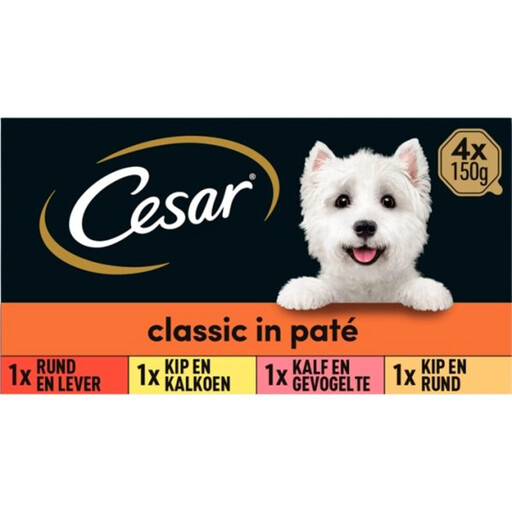
Why it suits this profile: The 150 g portions are practical for small adult dogs, travelling or owners who want to portion wet food easily.
The product information states that this is complete wet food for adult dogs. However, always check the composition of each flavour on the packaging.
Four 150 g portions, several flavours and, according to the product description, no added sugars or artificial colourings.
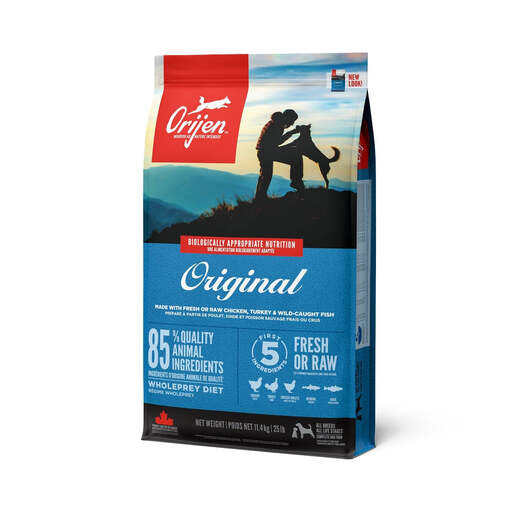
Why it suits this profile: For those looking for high-protein dry food containing chicken, turkey, fish and egg, and who are prepared to compare the ingredients list in detail.
The label lists the main animal ingredients and analytical values, including 38% crude protein and 18% crude fat. According to the product description, the recipe is grain-free.
11.4 kg contents, stated omega 3 and omega 6 values, and a recipe for dogs at all life stages, with the exception of the Great Dane puppy restriction mentioned.
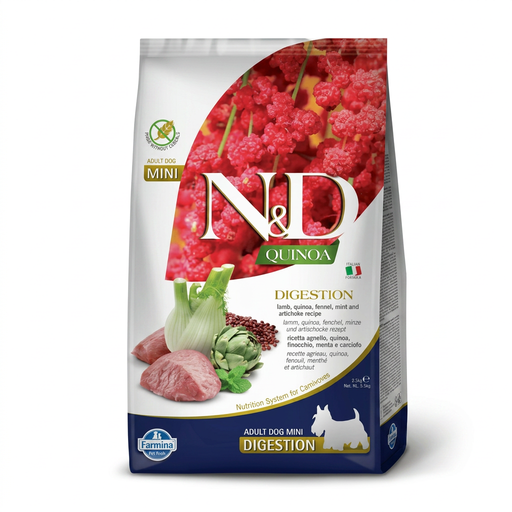
Why it suits this profile: Designed for owners of small adult dogs who want to compare a lamb recipe containing quinoa and listed prebiotic ingredients.
The product information identifies the target group as small breed adult dogs and lists ingredients such as inulin and fructo-oligosaccharides. Always check your dog’s individual tolerance yourself.
2.5 kg pack, 25% crude protein, 12% fat, and stated glucosamine and chondroitin sulphate values.
We have put together a complete, up-to-date list of products that fully meet these strict selection criteria and the applicable European safety regulations.
Choose puppy food that clearly states which life stage and breed size it is intended for. Pay attention to the feeding table, calcium and phosphorus information, and the recommended transition period. A small-breed puppy does not automatically have the same needs as a puppy that will grow into a medium-sized or large dog.
That depends on the daily portion, energy density and brand. Dry food is often easier to store and available in larger bags. Wet food contains more moisture and is often sold in portions. So compare the price per day, not just the price per bag, tin or multipack.
Always follow the best-before and storage information on the packaging. Store dry food in a cool, dry place and seal the bag securely. Opened wet food should be covered and kept in the fridge; various product descriptions state a maximum use period of two days. Before feeding, check that the packaging is intact and that the food smells and looks normal.
