
Vandaag of morgen in huis

Kwaliteit gegarandeerd

Welkomstaanbiedingen ontgrendelen: GRATIS bezorging | Tot 80% korting | Gratis 30 dagen JoyPlus-proefperiode
Download de app
A bag of dog food featuring bold claims on the front can quickly seem like the obvious choice. However, attractive packaging says little about whether it is suitable for your dog. Age, body weight, activity level, breed size and dietary sensitivities all help determine which food is the practical choice.
The difference between complete dog food, complementary food and treats is also often overlooked. Below, you’ll find what to look for in dry dog food, wet dog food and healthy dog treats. This helps you avoid paying more for a promise that does not match your dog’s everyday needs.
Words such as chicken, beef, fish or salmon on the front do not automatically mean that a product is suitable as a main food. Always check whether it states that it is complete pet food. A treat, such as a strip or dried meat, is usually complementary food and does not replace a daily meal.
Grain-free dog food contains no grains, but that does not automatically make it suitable for every dog. The recipe may still contain other protein sources that your dog reacts sensitively to. So, check the full ingredients list rather than relying only on the claim on the packaging.
When a brand mentions support for digestion, joints or weight management, treat this as a product claim. A manufacturer may mention such properties based on the brand’s own research or product information, but this is not a guarantee for every dog and is not a medical assessment.
Wet food contains a lot of moisture and therefore weighs more than dry dog food. You cannot simply compare the quantities on a one-to-one basis. Use the feeding guide on the packaging as a starting point and monitor your dog’s weight and body condition. Treats count towards their total daily energy intake.
Puppy food is formulated for growth and requires different nutritional values from adult dog food. Recommended quantities may also vary for senior dogs, active dogs and less active dogs.
Also check:
A product suitable for all life stages can be practical in a household with several dogs, but the portion must still be adjusted for each individual dog.
Compare beef dog food, chicken dog food and fish dog food based on the complete recipe. Pay attention to the order of the ingredients and check whether multiple animal protein sources have been added. For a dog with a sensitive digestive system, a simple recipe may be easier to assess, but persistent symptoms should be discussed with a vet.
Grain-free dog food may suit a specific dietary choice. However, check which alternative sources of carbohydrates have been used, such as peas, lentils, potato or chickpeas.
The label often lists crude protein, fat, fibre, ash and moisture. These figures are useful for comparing products within the same product category. So, compare dry food with dry food and wet food with wet food.
For weight-management dog food, the daily energy intake is particularly important. A product with a lower calorie content will only help if the portion size and number of treats are adjusted accordingly. For example, ACANA Weight & Wellness Dog Food has a metaboliseable energy content of 3070 kcal/kg, alongside a minimum of 33% crude protein and a minimum of 11% crude fat, according to the product information provided.
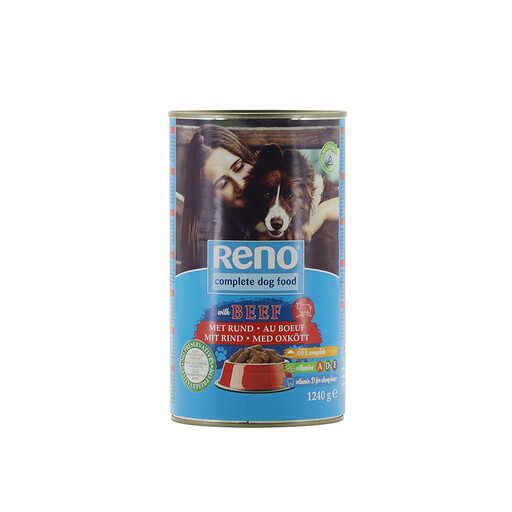
Why it suits this profile: The 1.24 kg pack is practical for everyday use and households with several dogs. According to the description, this product is complete food for adult dogs.
The product description clearly states the intended users and that it is complete food. Check the current feeding guide on the packaging before ordering.
Wet food with beef in gravy; large format; intended for adult dogs.
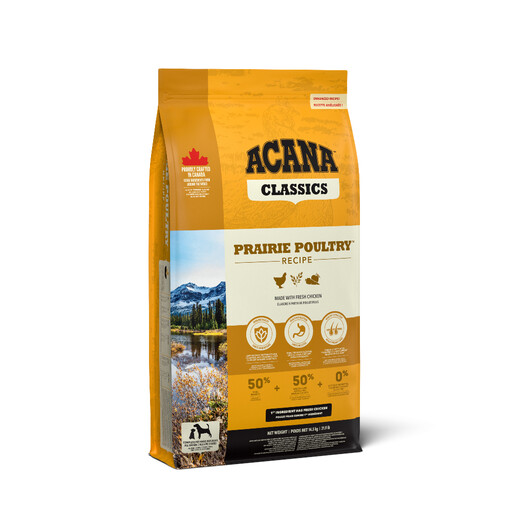
Why it suits this profile: The recipe contains chicken, turkey, oats, vegetables and fruit. According to the product information, it is complete dog food for all life stages.
The ingredients and analytical constituents are listed in detail. This means you can base your choice on verifiable information rather than just the front of the bag.
14.5 kg pack; 27% crude protein; 16% crude fat; with oats as a grain source.
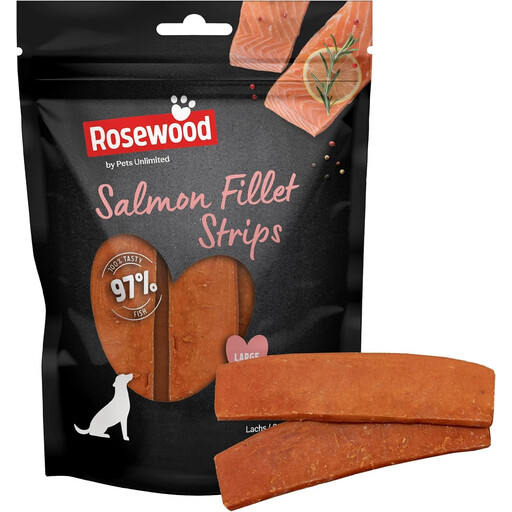
Why it suits this profile: Handy as a reward during training, after a walk or for breaking into smaller pieces. This is complementary food, not a complete meal.
The product description explicitly states that it is a treat. This prevents you from accidentally using a reward product as your dog’s main food.
97% salmon according to the product information; soft strips; low fat content as stated by the manufacturer.
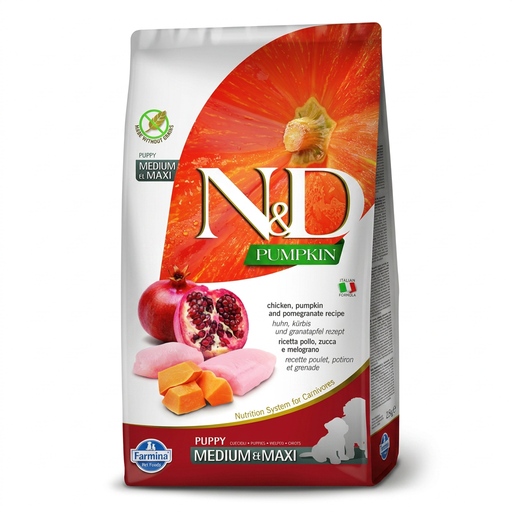
Why it suits this profile: The product name specifies a puppy formula for medium-sized and large dogs. This makes the life stage and expected size immediately clear.
You are not choosing based solely on flavour or packaging. First, you check the intended users: puppies of medium-sized and large breeds.
Specifically identified as puppy food; 2.5 kg pack, allowing you to switch gradually without ending up with a large surplus of food.
We have put together a complete, up-to-date list of products that fully meet these strict selection criteria and the applicable European safety regulations.
If you are switching to a different dog food, gradually mix the new food with the old food over approximately seven days, unless the packaging advises otherwise. Keep an eye on your dog’s stools, appetite, weight and behaviour. Always provide fresh drinking water.
For wet food, store opened packaging in the fridge according to the label. The products mentioned often advise using opened portions within 48 hours or two days. Frozen animal products are subject to different rules: defrost them in the fridge, keep them chilled and do not refreeze them once they have thawed.
Wet dog food generally contains a lot of moisture and is often sold in trays, tins or pouches. Dry food has a longer shelf life after opening and is easy to weigh out. The right choice depends on your preferences, practical circumstances and your dog’s nutritional needs. For both types, check that they are complete foods.
Unopened dog food remains suitable for use until the date on the packaging, provided you store it in a cool, dry and sealed place. Shorter time limits apply after opening. Always follow the manufacturer’s instructions, particularly for wet food and frozen products.
This depends on their size, energy content and total daily diet. Give treats as a supplement and adjust the main meal if necessary. For dogs with weight problems, it is advisable to include rewards in their daily feeding plan too.
