
Vandaag of morgen in huis

Kwaliteit gegarandeerd

Welkomstaanbiedingen ontgrendelen: GRATIS bezorging | Tot 80% korting | Gratis 30 dagen JoyPlus-proefperiode
Download de app
A bag of dog food labelled premium, grain-free or high protein can seem like an obvious choice. But an eye-catching front label tells you little about whether it’s right for your dog. A small adult dog has different needs from a fast-growing puppy, while a dog with kidney problems can’t simply eat the same food as a healthy dog.
As a Joybuy Product Recommendation Officer, I check product information against verifiable criteria. This guide shows you what to look for in dry dog food, wet dog food and specialist diets, so you can look beyond the marketing claims.
“Made with chicken”, “98% animal protein” or “grain-free dog food” may sound clear, but check the legal product description first. If it says “complete pet food” or “complete food”, it’s intended as a full meal. Complementary food shouldn’t automatically replace your dog’s main daily food.
Also check the full list of ingredients and the analytical constituents. A high protein percentage isn’t necessary for every dog and, on its own, tells you nothing about whether the food is suitable overall.
Puppy food is formulated for growth, while adult dog food is designed for maintenance. Breed size matters too. Small-breed dog food often contains smaller kibble and has a different energy content from large-breed dog food.
A large-breed puppy also needs a different feeding plan from a small adult dog. Always check the life stage, expected adult weight and feeding guidelines on the packaging.
If your dog has symptoms or a diagnosed condition, a tailored formula matters more than a general claim such as “natural” or “hypoallergenic dog food”. You should ideally use a renal diet for dogs, such as a renal formula, in consultation with your vet. The right food depends on factors including diagnosis, blood test results, weight and medication.
First, check whether the product is suitable as your dog’s main daily food. Then look for a clear indication such as:
Products with a clearly defined target group reduce the risk of buying the wrong variety. If you’re unsure, follow the feeding guidelines on the packaging.
Don’t just compare the first ingredient on the list. Also check:
Dry dog food usually contains around 8 to 12% moisture, while wet dog food often contains more than 70%. This means you can’t compare the protein and fat percentages in kibble and tinned food directly without taking the moisture content into account.
The recommended amount is a starting point. Your dog’s weight, age, activity level and body condition will determine whether you need to adjust it. You can divide the daily portion between two meals and check your dog’s weight regularly.
Switch to a new food gradually, usually over about seven days. Store opened dry food in an airtight container in a dry place. Opened wet food should be covered, kept in the fridge and used within the time stated on the label.
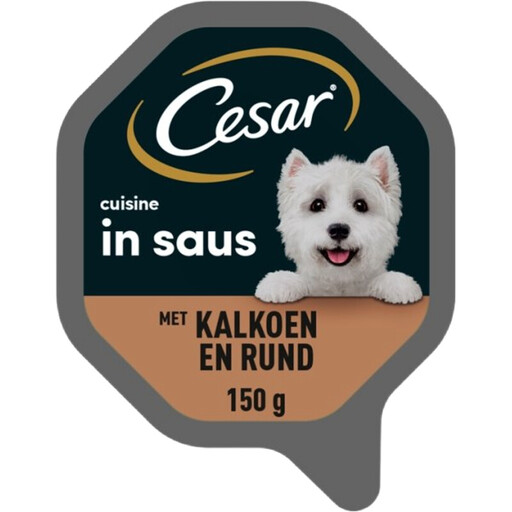
Why it suits this profile: A single-serve pack of wet food is handy for a small adult dog or as an alternative to kibble. The product information describes it as a complete food for small adult dogs.
The product description specifies the target group, portion size and storage advice. Always check the label and work out the right daily portion for your dog.
150 g per pack; according to the product information, it contains no added sugars, artificial colourings or flavourings.
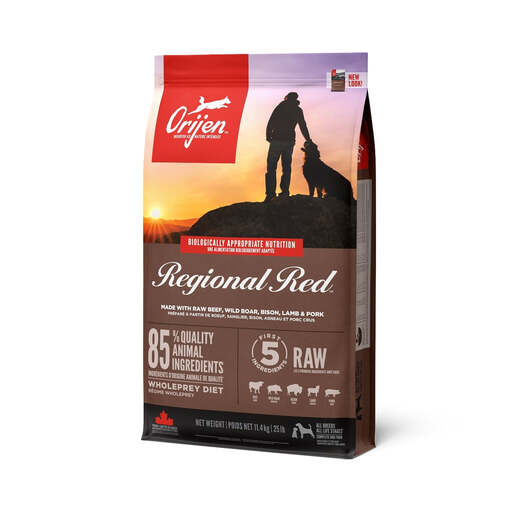
Why it suits this profile: This large bag of dry dog food is a good fit for households looking for an extensive ingredients list and a stock-up supply for an adult dog.
The ingredients list includes several animal-based ingredients, along with the analytical values. Still, check that the protein and fat levels suit your dog’s activity level.
38% crude protein and 18% crude fat according to the product information; 11.4 kg pack.
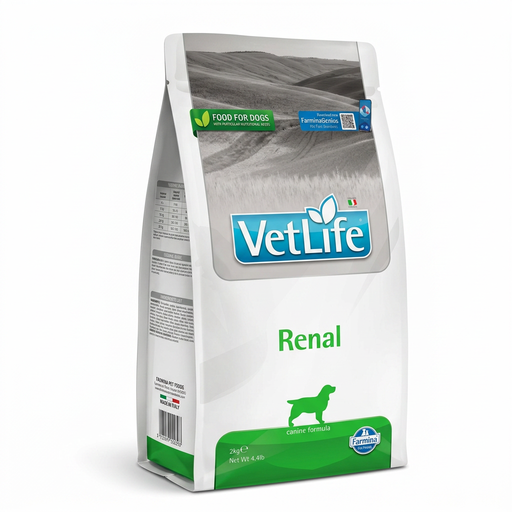
Why it suits this profile: The product information describes this food as a complete formula for dogs with temporary or chronic kidney problems. Use it only in line with your vet’s advice.
It’s clearly positioned as a veterinary formula. Don’t use it to replace a treatment plan on your own, and check the current packaging.
2 kg pack; the product description lists potato, rice, animal fat, eggs and fish oil in the formula.
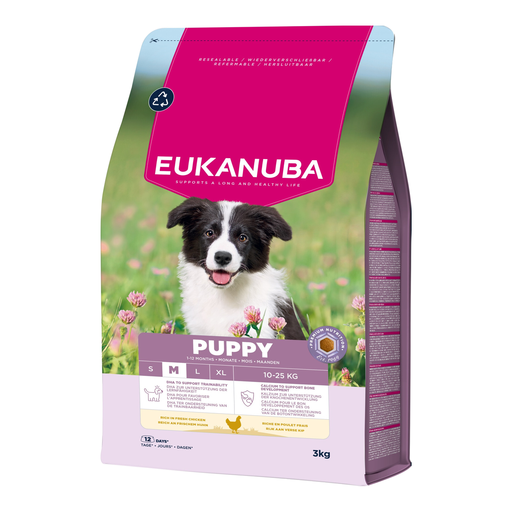
Why it suits this profile: According to the product information, this puppy food is intended for medium-sized puppies aged 1 to 12 months. The 3 kg pack lets you start with a manageable amount.
The life stage and breed size are clearly specified. This helps you avoid choosing adult dog food or a formula intended for a different-sized dog.
According to the product information, it’s a complete food containing chicken, DHA, calcium and a fibre blend with FOS, MOS and beet pulp.
We’ve put together a full, up-to-date list of products that meet these strict selection criteria and the applicable European safety regulations.
Dry dog food contains little moisture and is easy to portion and store. Wet food contains much more moisture and is often chosen for its texture or taste. Whichever type you choose, check that it’s a complete food and adjust the portion to its energy content.
Gradually mix the new food with the old food, for example over seven days. Start with a small amount of the new food and increase it step by step. Keep an eye on your dog’s stools, appetite and weight. If symptoms persist, it’s best to speak to your vet.
Store dry food in a cool, dry place in a tightly sealed container, and use it before the date on the packaging. Keep opened wet food covered in the fridge. Many product packs recommend using it within 48 hours or a maximum of two days; always follow the specific label.
