
Vandaag of morgen in huis

Kwaliteit gegarandeerd

Welkomstaanbiedingen ontgrendelen: GRATIS bezorging | Tot 80% korting | Gratis 30 dagen JoyPlus-proefperiode
Download de app
Buying the right dog food can be a challenge. The shelves, both in-store and online, are filled with bags making lofty promises. As a Product Recommendation Officer at Joybuy, I see owners struggle with these choices every day. My job is to cut through the marketing messages and offer practical guidance. Let's look at the most common pitfalls and how you can avoid them.
Before you make a choice, it's helpful to know where things often go wrong. Many marketing terms are designed to make you feel good but say little about the actual quality.
You don't need to be a nutritionist to make a good choice. By paying attention to a few key points, you can much more accurately assess the quality of kibble.
Dogs need animal proteins for strong muscles and overall health. The most important rule is simple: the first ingredient on the list must be a clearly named animal protein source.
A high-quality protein source is the foundation of good nutrition.
A dog's needs change throughout its life. Therefore, choose a food that is tailored to its specific life stage and size.
Not every dog needs a special diet, but for some, it can make a world of difference.
Based on the criteria above, we have selected a number of products that suit different dog owner profiles.
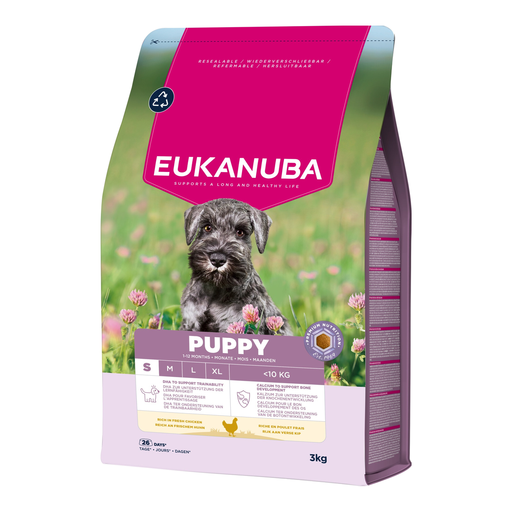
Why this fits: This food is specially formulated for the rapid growth of small-breed puppies. According to Eukanuba, it contains DHA, which contributes to learning ability, and calcium for the development of strong bones.
This is not a 'one-size-fits-all' food. The formula is precisely tailored to the nutritional needs of a growing puppy, rather than being a generic kibble for all ages.
Complete and balanced nutrition that supports development. According to the manufacturer, the hexagonal kibble helps keep teeth clean.
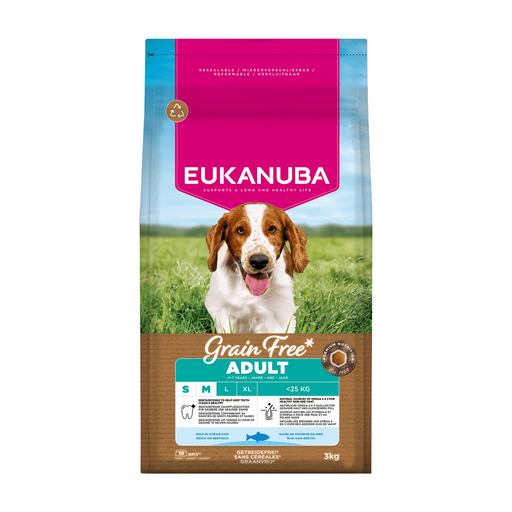
Why this fits: A great choice for dogs that don't react well to grains or common proteins like chicken. The formula is grain-free and uses ocean fish as the main protein source, which is often better tolerated.
Instead of focusing on a single 'miracle ingredient,' this food tackles the problem at its core with a low-allergen formula and alternative carbohydrate sources like sweet potato.
Contains prebiotics (FOS) and beet pulp to support healthy digestion. Rich in natural sources of omega fatty acids for a healthy skin and coat.
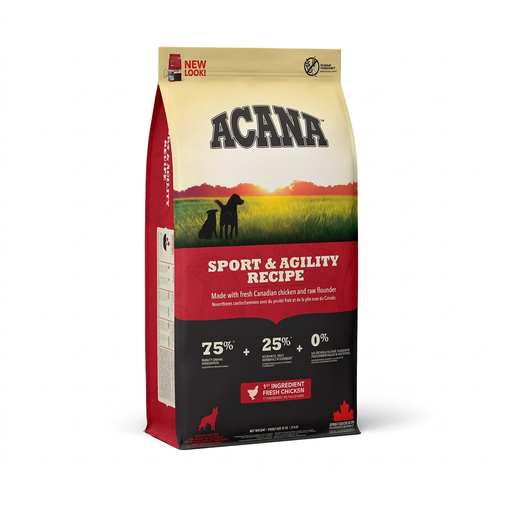
Why this fits: Perfect for dogs with high energy needs, such as sporting or working dogs. The food has a high content of animal ingredients (75%) and a higher fat and protein percentage for sustained energy.
This food isn't deceptively 'premium.' The ingredient list is transparent and shows a high concentration of quality animal sources, which justifies its higher nutritional value.
Grain-free formula with free-run chicken and wild-caught fish. According to the manufacturer, the addition of freeze-dried liver enhances the flavour.
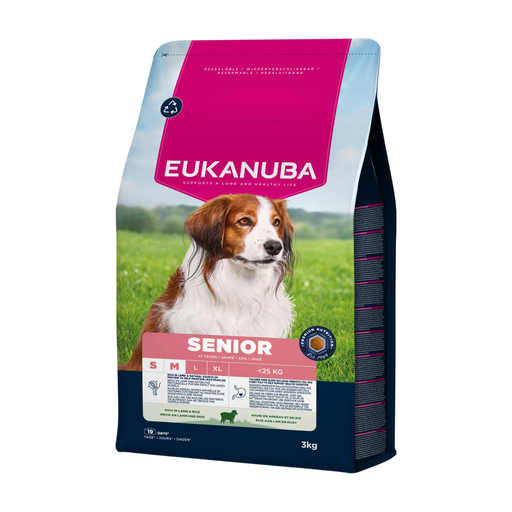
Why this fits: This food is tailored to the changing needs of older dogs. According to Eukanuba, the added glucosamine and chondroitin help maintain healthy joints and mobility.
This is not a generic 'adult' food. The composition is specifically developed for the older dog, with a focus on joints, weight management, and a strong immune system.
The combination of lamb and rice is easily digestible, which is ideal for older dogs with more sensitive digestion. Contains antioxidants to support the immune system.
We have compiled a complete, up-to-date overview of products that meet these selection criteria and current regulations.
A sudden switch can cause stomach and intestinal issues. The recommended method is to gradually mix the new food with the old food over a period of 7 to 10 days. Start with a ratio of 25% new food and 75% old food, and increase the proportion of new food every few days until you have fully transitioned.
Kibble is practical, has a long shelf life, and its hard texture can help reduce dental plaque. Wet food contains a lot of moisture, which contributes to hydration, and is considered more palatable by many dogs. A combination of both can be a good middle ground to leverage the benefits of each.
Symptoms of an allergy or intolerance often include persistent itching, skin problems (red spots, bald patches), recurring ear infections, or digestive issues like flatulence or diarrhoea. If you suspect this, it is wise to consult your veterinarian. Together, you can determine if a hypoallergenic dog food, often with a single, unique protein source, could be a solution.
