
Vandaag of morgen in huis

Kwaliteit gegarandeerd

Welkomstaanbiedingen ontgrendelen: GRATIS bezorging | Tot 80% korting | Gratis 30 dagen JoyPlus-proefperiode
Download de app
Choosing dog food seems straightforward until you compare the labels. One bag highlights a high protein content, while another uses terms such as “natural”, “grain-free” or “premium dog food”. On their own, these words say little about whether the food is suitable for your dog. Age, body weight, breed size, activity level and the full recipe are more important.
In this buying guide, you’ll learn what to look for in dry dog food, puppy food, lamb dog biscuits and dog food with fish. We’ll also discuss when dog treats or wet dog snacks can be a useful addition, but not a replacement for a complete meal.
A description such as “with lamb”, “with pumpkin” or “with fish” does not automatically mean that this ingredient makes up the largest proportion. Check the ingredients list and the percentages. For example, Farmina N&D Pumpkin Lamb Adult Small Dog Food lists fresh boneless lamb at 22% and dried lamb at 20%. That is more specific than simply calling it “lamb dog biscuits”.
Grain-free dog food contains no grains, but that does not automatically make it suitable for every dog with a sensitive digestive system. Grains may have been replaced with ingredients such as peas, chickpeas, sweet potato or pea starch. So look at the complete recipe and observe how your dog responds. If symptoms keep returning or you suspect a food sensitivity, it’s wise to consult a vet.
Dog treats, soft snacks and wet dog snacks are intended as rewards or supplementary foods. INABA Fun Bites Chicken Wraps with sweet potato, for example, states that it is complementary pet food. The packaging recommends one to two portions per day, depending on the dog. Keep rewards limited and, where necessary, deduct them from the daily food allowance.
Puppy food is formulated for growth and has different nutritional ratios from food for adult dogs. Pay attention to breed size too. Small dogs often benefit from smaller kibble, while medium-sized and large breeds may have different feeding schedules and energy requirements.
Always check the legal designation on the packaging, such as complete food for puppies or complete food for adult dogs. “Complete” means that the product is intended to provide a full daily diet. A complementary product, such as a treat, does not serve this purpose.
Don’t compare only the protein percentage; look at the source of the protein too. Farmina N&D Pumpkin Duck Adult Medi/Maxi lists fresh and dried duck as important animal ingredients. Farmina N&D Ocean Salmon Adult Medi/Maxi includes salmon, dried salmon protein, cod and herring, among other ingredients.
The analytical constituents provide practical information. For example, the salmon variety lists 30% crude protein, 18% fat and 9% moisture. Food with a higher fat content is not automatically suitable for every dog; activity level, body condition and portion size all matter.
Use the feeding table on the packaging as a starting point. Adjust the amount according to your dog’s weight, activity level and body condition. When introducing a new product, make the change gradually, usually over about seven days. One example schedule is:
Store dry food sealed in a cool, dry place. After opening, wet snacks should be refrigerated according to the packaging instructions and are often best used within 24 hours. Always provide fresh drinking water.
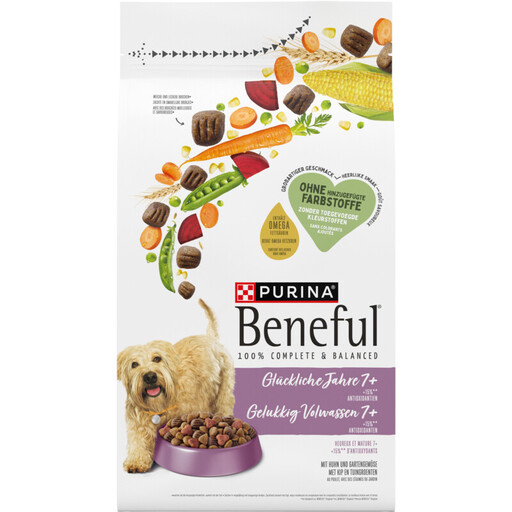
Why it suits this profile: A 1.4 kg bag is practical if you’d like to try a smaller quantity first for an older dog aged seven or over.
The product information states the age group and analytical values, including 24% protein, 8% fat and 3% crude fibre. This lets you compare products using concrete data.
Complete food for older dogs aged seven and over, in a small pack with a chicken and vegetable recipe.
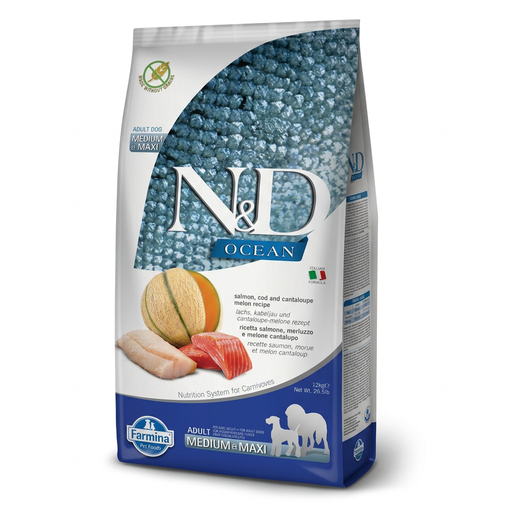
Why it suits this profile: Suitable for owners looking for a large pack and a clearly specified fish-based formula for adult medium-sized and large dogs.
The ingredients list gives percentages for salmon and cod. Protein, fat, moisture, omega-3, DHA and EPA are also specified.
30% crude protein, 18% fat and 12 kg contents; intended as complete food for adult medium-sized and large dogs.
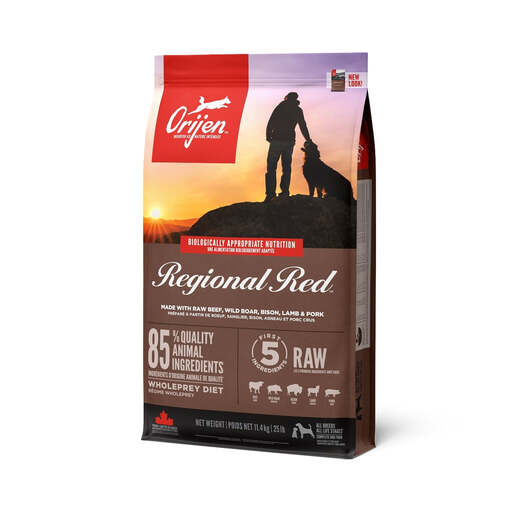
Why it suits this profile: An option for active adult dogs if you’re considering several animal protein sources and a large pack.
The product details provide separate percentages for beef, wild boar, bison, lamb, pork and sardines. This makes the protein mix easy to check.
38% crude protein, 18% fat and 11.4 kg contents; the recipe also contains pulses, vegetables and fish oil.
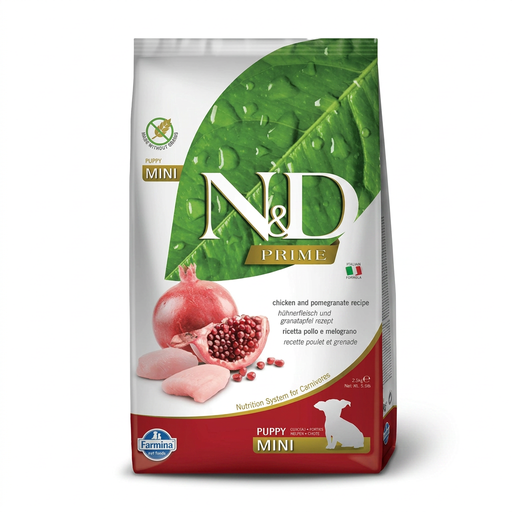
Why it suits this profile: Designed for small puppies from eight weeks to twelve months, with a smaller pack to help maintain freshness and make the transition easier to manage.
The product information states the life stage, breed size and a transition period of at least seven days. The packaging remains the definitive guide for the daily portion.
2.5 kg contents, chicken as the primary animal protein source and an analytical protein content of 36%, according to the product details.
We’ve put together a complete, up-to-date list of products that fully meet these strict selection criteria and the applicable European safety regulations.
Start by looking at the complete ingredients list, rather than choosing solely based on terms such as “hypoallergenic dog food” or grain-free. A recipe with one clearly specified protein source can make comparisons easier, but suitability varies from dog to dog. If diarrhoea, itching or other symptoms persist, a vet should help guide your choice of food.
This depends on age, size, activity level and body condition. For many adult dogs, divide the daily amount between one or two meals. Puppies often need several smaller portions. Use the feeding table on the packaging as a starting point and check your dog’s weight regularly.
They can be practical for training or as a reward, but complementary pet food does not replace a complete meal. Check the moisture, fat and calorie content, and stick to the recommended amount. INABA Churu Dog Multipack, for example, states that one to two tubes per day can be given as a treat, depending on the dog’s size.
