
Vandaag of morgen in huis

Kwaliteit gegarandeerd

Welkomstaanbiedingen ontgrendelen: GRATIS bezorging | Tot 80% korting | Gratis 30 dagen JoyPlus-proefperiode
Download de app
Buying a bag of dog food seems simple, until you have to choose between dry food, wet food, grain-free dog food, puppy food and senior varieties. Marketing terms such as “premium”, “natural” and “high in meat” do not tell you much on their own. The ingredients, intended use and nutritional value shown on the label are more important.
The most common purchasing mistakes are:
Look for the product to be described as complete pet food or complete dog food. This means that, according to the product information, it is intended to be fed as a daily diet. A complementary product, snack or meal topper serves a different purpose.
Also check the intended group:
The recommended amount on the packaging is a starting point. Adjust the portion according to weight, age, activity and body condition. Always provide fresh drinking water.
If you are looking for chicken dog food, lamb dog food or fish dog food, it is a good idea to check the ingredients list. Pay attention to the difference between:
A recipe with one clearly stated protein source may make it easier to monitor your dog’s reaction to food. If problems keep returning or you suspect a food sensitivity, it is advisable to consult a vet. Do not treat the term hypoallergenic dog food as a guarantee: suitability depends on the individual dog and the exact ingredients.
Grain-free dog food often uses alternative sources of carbohydrates, such as peas, potato or sweet potato. Grain-free therefore does not mean carbohydrate-free, nor does it automatically say anything about the overall quality.
With dry dog food, the crude protein, fat, fibre, ash and moisture percentages are among the details you can check. With wet dog food, the moisture content plays a greater role when comparing nutritional values. So do not compare only the protein percentage on the packaging; also look at the complete nutritional information.
The description premium dog food is mainly a commercial positioning term. Assess the product based on its ingredients, nutritional purpose, portion guidance and pack size.
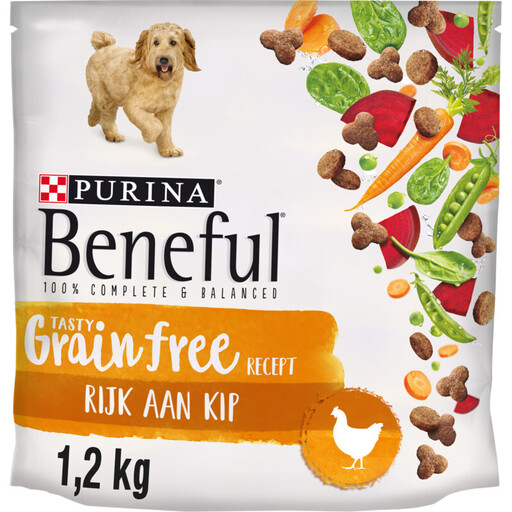
Why it suits this profile: A compact bag for trying grain-free dog food without immediately buying a large supply. According to the product information, this is complete food for adult dogs.
The product information states the ingredients, including 14% chicken, and provides portion guidelines based on body weight. Check the current label before use.
Dry food; grain-free recipe according to the product description; 25.5% crude protein; portion guidance for different weights.
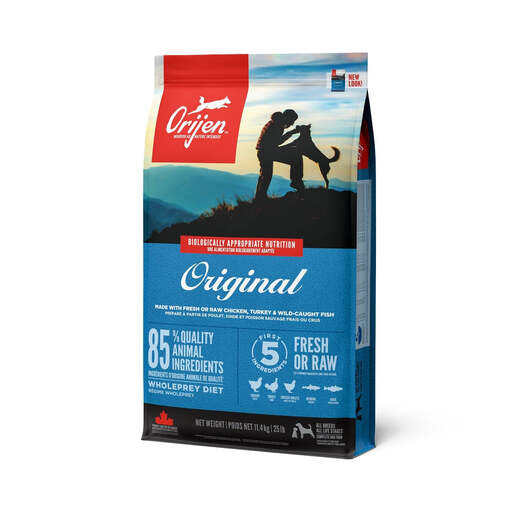
Why it suits this profile: For dog owners looking for dry food containing several animal-based ingredients and a high stated protein percentage.
The ingredients list names chicken, turkey, herring, cod and egg separately. This makes it clear that it is not a single-protein recipe.
38% crude protein according to the product information; 11.4 kg pack; omega-3 and omega-6 listed in the analysis.
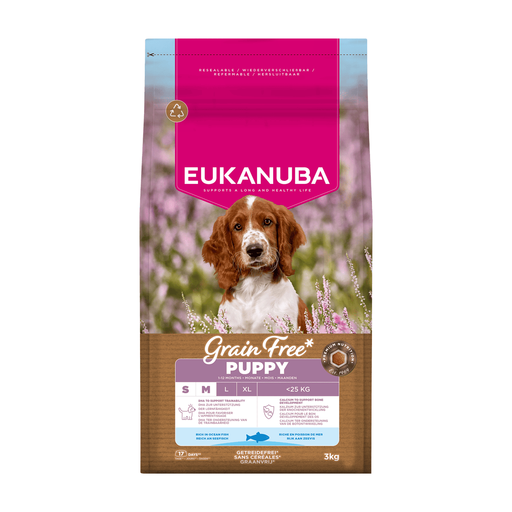
Why it suits this profile: Designed for owners of small and medium-sized puppies looking for fish-based dog food with a chicken-free recipe.
The intended group and age are clearly stated. According to the product information, the recipe uses fish as its animal protein source and sweet potato as an alternative to grains.
Puppy food for small/medium breeds; ocean fish as the stated protein source; DHA and calcium mentioned in the product information.
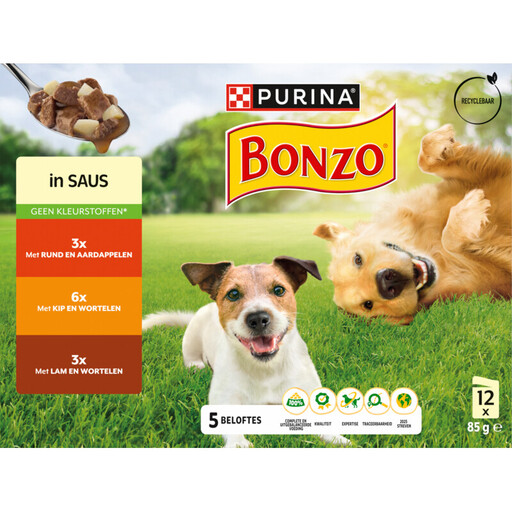
Why it suits this profile: A practical choice for owners of adult dogs who want to feed wet food on its own or combine it with dry food.
The product information states that this is complete food for adult dogs and that it can be combined with dry food. Adjust the total daily portion accordingly.
Wet food in portion packs; sauce texture; chicken and lamb named in the product title.
We have put together a complete, up-to-date list of products that fully meet these strict selection criteria and the applicable European safety regulations.
No. Grain-free simply means that the recipe contains no grains. The product may still contain chicken, beef, fish, peas or other ingredients. Check the complete ingredients list and discuss persistent problems with a vet.
Mix the new food gradually with the current food, usually over approximately seven days. Start with a small proportion of new food and increase it step by step. Keep an eye on your dog’s stools, appetite and behaviour. Where possible, follow the transition guidance on the packaging.
This depends on body weight, energy requirements, the daily portion and the type of food. Dry dog food is often easy to compare per kilogram, while wet food may require more packs per day. Calculate the monthly cost using: price per kilogram multiplied by the total amount per month. Always compare products with a similar nutritional purpose.
