
Vandaag of morgen in huis

Kwaliteit gegarandeerd

Welkomstaanbiedingen ontgrendelen: GRATIS bezorging | Tot 80% korting | Gratis 30 dagen JoyPlus-proefperiode
Download de app
A bag of dry food with bold claims such as “high protein” or “grain-free” can seem like an obvious choice. But a claim like this doesn’t tell you everything about whether the food is suitable for your dog. The right choice depends on your dog’s life stage, size, activity level and the full recipe.
There are things to look out for with wet dog food, too. A multipack might seem convenient, but check first that it’s actually dog food. For example, g’woon Adult Chunks in Jelly Multipack is described in the range as food for adult cats. That’s why the packaging and product category matter more than words such as “adult” or “chunks” alone.
“With lamb”, “with beef” or “with chicken” doesn’t automatically mean that ingredient makes up most of the recipe. Check the ingredients list, which is ordered by quantity, and also look for the legally required nutritional statement. Look for a description such as complete food for adult dogs or complete food for puppies.
A complementary product, treat or meal without a complete nutritional statement isn’t automatically suitable as an everyday staple.
Grain-free dog food may suit a household looking to avoid grains, but grain-free doesn’t automatically mean a recipe is better for every dog. Check which ingredients are used instead of grains, such as peas, chickpeas, potato or sweet potato. Also check the protein and fat content.
According to the product information, Farmina N&D Pumpkin Lamb Adult Medi/Maxi contains no grains and includes lamb, pumpkin and various sources of fibre. These are verifiable product specifications; they don’t guarantee how your individual dog will respond.
Puppy food is formulated differently from food for adult dogs. A puppy has different nutritional needs from a senior dog. Kibble size matters, too: food for small dogs is often adapted to a smaller jaw, while food for medium and large dogs may have a different kibble size and feeding guidance.
So always check:
A product labelled complete dog food is intended to be fed as a full meal, following the feeding guidelines. Check that the statement matches your dog’s needs: puppy, adult dog or all life stages.
Also look out for conflicting information in a product description. If an item is described as dog food in one place and cat food elsewhere, check the packaging before you order.
Compare at least:
A higher percentage isn’t automatically more suitable. An active dog may need a different energy density from a less active pet. Use the feeding table on the packaging as a starting point, then adjust portions to your dog’s body condition and activity level.
For dog food with lamb, dog food with beef or a recipe containing game, it’s worth checking whether it contains several animal protein sources. For example, Farmina N&D Quinoa Digestion Adult Mini lists lamb as a key protein source, but also contains pork and fish ingredients.
If you’re looking for a simpler protein choice, check the ingredients list of a single-protein product. Ziwi PEAK Dog Cans Venison lists venison as its primary protein source. The manufacturer’s information also mentions ingredients such as chickpeas and green-lipped mussel. If you suspect a food intolerance, always check the full ingredients list and speak to a vet about any persistent symptoms.
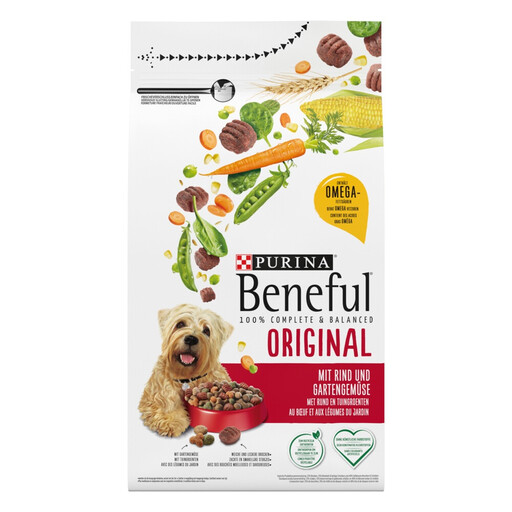
Why it suits this profile: A 1.4 kg bag is a manageable size if you’d like to try a dog food before buying a larger quantity. The product specifications list adult dogs of all weights as the intended audience.
The product information describes it as a complete and balanced food for adult dogs. The feeding table includes guidelines for dogs weighing 5 to 30 kg.
Dry food with a beef flavour, 15% crude protein, 8% fat and a 1.4 kg bag size.
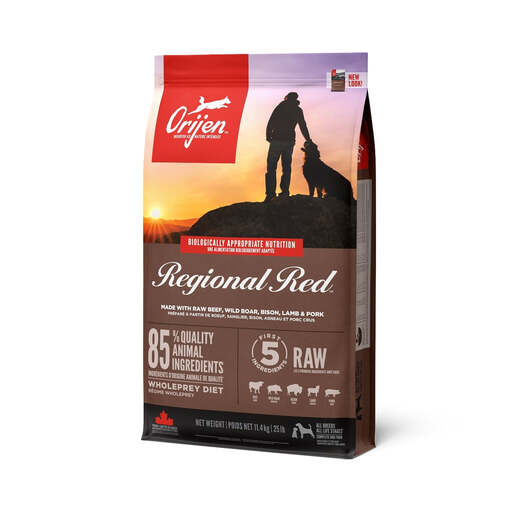
Why it suits this profile: A good option for dog owners looking for a large pack and a detailed ingredients list, with several animal protein sources such as beef, wild boar, bison and lamb.
The recipe and analytical constituents are listed in detail. This lets you compare the claims of 38% crude protein and 18% fat with the ingredients list.
11.4 kg pack, several meat and fish ingredients, and stated omega-3 and omega-6 levels.
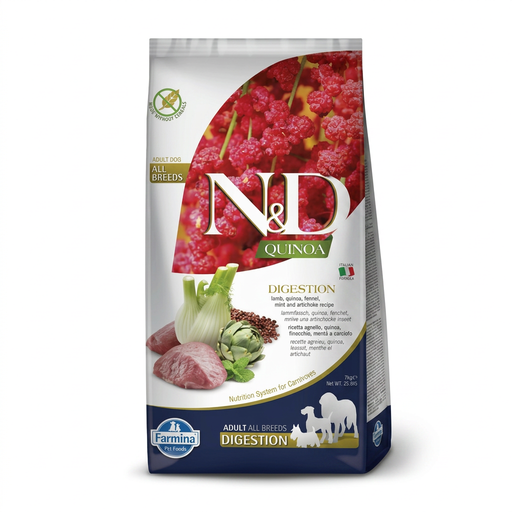
Why it suits this profile: Formulated for adult medium and large dogs whose owners are looking for a recipe with lamb, quinoa and listed prebiotic ingredients.
The recipe lists lamb, quinoa, fennel, mint, artichoke and prebiotics separately. So you don’t have to rely on the front of the packaging alone.
Complete food for adult medium and large dogs, with 25% crude protein and 12% fat according to the product information.
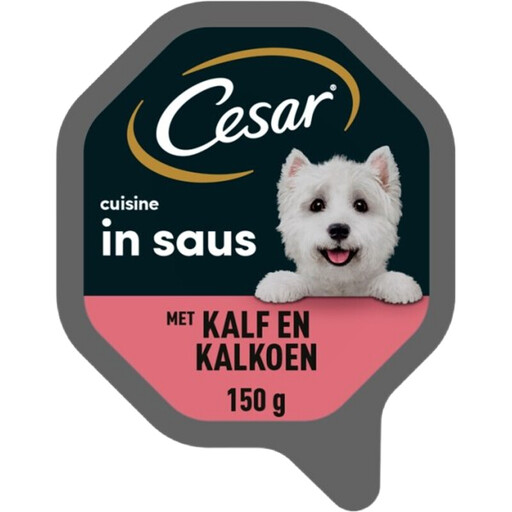
Why it suits this profile: A 150 g portion is handy for small adult dogs and households that want to serve wet dog food in smaller amounts.
The product information explicitly describes it as complete wet food for adult dogs and advises keeping it for no more than two days after opening.
83% moisture, 8% crude protein and a 150 g portion pack; suitable for serving at room temperature.
We’ve put together a complete, up-to-date list of products that meet these strict selection criteria and the applicable European safety regulations.
Mix the new product gradually with your dog’s old food. Many manufacturers recommend a transition period of around seven to ten days. Start with a small amount of the new food and increase it step by step. Don’t stop feeding a familiar recipe straight away if your dog reacts sensitively.
Store dry dog food in a sealed container in a cool, dry place. Once opened, wet dog food should be kept in the fridge and used within the period stated on the label. Always make sure fresh drinking water is available.
Not necessarily. Wet dog food usually contains more moisture and is often sold in portions. Dry dog food is easy to measure and store. Focus on the complete food statement, the ingredients and your dog’s preferences.
It depends on your dog’s weight, age and activity level, as well as the product’s energy content. Use the feeding table on the packaging as a guide and check your dog’s body condition regularly. A feeding guide is no substitute for individual nutritional advice.
Wet food often has a short storage period stated on the label. For example, the products mentioned advise refrigeration and use within a maximum of 48 hours or two days. Once opened, dry food should be sealed properly and used before the stated best-before date.
