
Vandaag of morgen in huis

Kwaliteit gegarandeerd

Welkomstaanbiedingen ontgrendelen: GRATIS bezorging | Tot 80% korting | Gratis 30 dagen JoyPlus-proefperiode
Download de app
There is a huge choice of dog food and dog treats. This can make it difficult to know which product suits your dog’s age, size, activity level and nutritional needs. Eye-catching packaging or claims about “natural” ingredients do not necessarily tell you everything about the product’s composition.
Three common pitfalls deserve extra attention:
The packaging should state whether the product is complete food or complementary food. Complete food is intended as a daily meal, while a treat, topper or supplement is an addition.
For example, according to the product information, INABA Churu Dog Multipack contains at least 90% moisture and is intended as a treat, topper or reward. It is therefore not suitable as a replacement for a daily meal. Once opened, a tube should be sealed, stored in the fridge and used within 24 hours.
With wet dog food, such as CESAR Classic Wet Dog Food Chicken, it is important to follow the storage instructions. According to the product information, leftover food should be refrigerated for no more than two days.
Adult dogs, puppies and senior dogs do not automatically have the same nutritional needs. Activity level also plays a role. Therefore, check:
A change to different dry dog food is best made gradually. Product information from various brands usually recommends a transition lasting around 7 to 10 days. Also monitor your dog’s body condition and adjust the portion when necessary.
Grain-free dog food is not automatically necessary for every dog. Some varieties use ingredients such as peas, sweet potato or potato instead of grains. Always check the full composition.
A simpler composition may be practical for dogs with sensitive stomachs, but symptoms can have various causes. If diarrhoea, itching, vomiting or changes in appetite persist, speaking to a vet is wiser than repeatedly changing your dog’s food yourself.
Also pay attention to marketing claims about specific benefits. According to a brand’s own research, certain ingredients or kibble shapes may contribute to dental care or digestion, for example. Treat such claims as product information, not as a guarantee for every animal.
Dog treats are useful during training, but remember to include them in your dog’s daily allowance. As a guideline, some products state that treats should make up no more than 10% of a dog’s daily calorie intake. Always check the packaging and adjust the main meal if necessary.
When choosing dental sticks and dog chews, these points are particularly important:
According to the product information for Pedigree Dentastix Maxi, the product may help reduce tartar. The stated claim of up to 80% is a brand claim; results may vary from dog to dog. This variety is intended for large dogs weighing 25 kg or more.
According to the product specifications, g’woon Dental sticks Medium are intended for medium-sized dogs. They contain, among other ingredients, cereals, vegetable protein extracts and 1% sodium hexametaphosphate. Here too, one stick per day is a product guideline, not a universal rule for every dog.
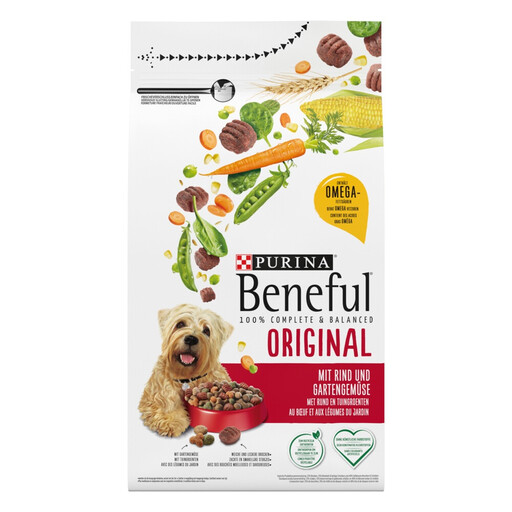
Why it suits this profile: A straightforward bag of dry food for adult dogs of all weights, with feeding guidelines for different body weights.
The product information states that this is complete and balanced food for adult dogs. Portions should still be adjusted according to activity level and body condition.
1.4 kg pack; 15% crude protein, 8% fat and 12% moisture according to the product specifications.
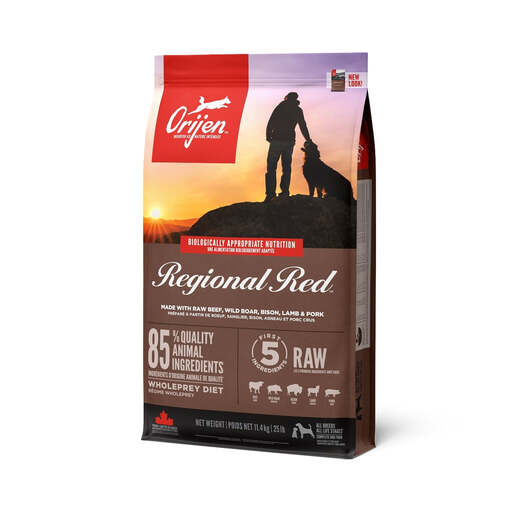
Why it suits this profile: A large pack for households looking for complete, protein-rich food and with enough dry storage space.
The ingredients list is extensive and includes beef, wild boar, bison, lamb and pork. This makes checking for individual sensitivities particularly important.
11.4 kg contents; 38% crude protein and 18% crude fat according to the analytical constituents.
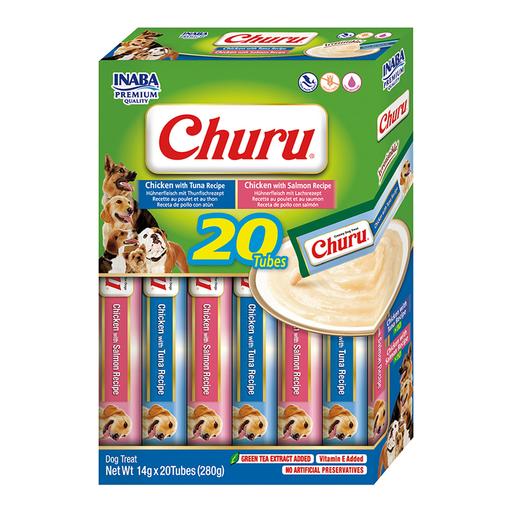
Why it suits this profile: Handy as a training reward, topper or a way to add variety to your dog’s daily meal.
The packaging clearly states that this is complementary food. Do not use it as a complete meal and remember to take it into account as part of the daily allowance.
20 tubes of 12 g; at least 90% moisture; chicken, tuna and salmon varieties.
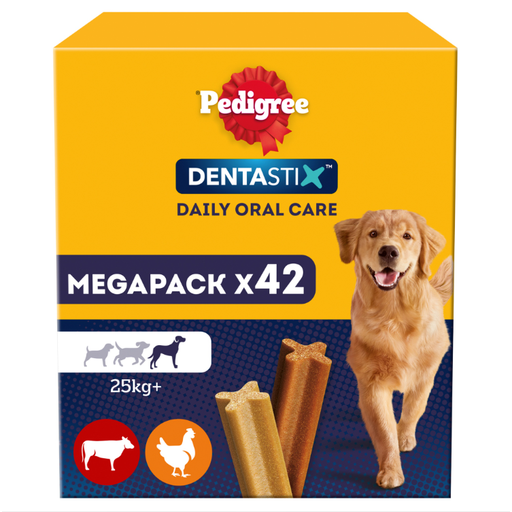
Why it suits this profile: Designed for large dogs weighing 25 kg or more that are given a suitable chew every day.
The product description clearly states the suitable weight range. Do not choose this Maxi variety without taking your dog’s size into account.
42 sticks with a total weight of 1.62 kg; intended for large dogs weighing 25 kg or more.
We have put together a complete, up-to-date list of products that fully meet these strict selection criteria and the applicable European safety regulations.
Not necessarily. Wet food generally contains more moisture, while dry food is easy to portion and store. The right choice depends on your dog’s preference, the nutritional values, your budget and any advice from a vet. You can combine both, as long as the total daily amount remains suitable.
Follow the guidance on the packaging and preferably keep treats below 10% of your dog’s daily calorie intake. For small dogs, just a few treats can provide a relatively large number of calories. Reduce the main meal if necessary and watch for changes in weight.
No. A dental stick can form part of a daily routine, but it does not automatically replace brushing or dental checks. Always supervise your dog while chewing, and ask a vet for advice if your dog has bad breath, red gums or pain when eating.
