
Vandaag of morgen in huis

Kwaliteit gegarandeerd

Welkomstaanbiedingen ontgrendelen: GRATIS bezorging | Tot 80% korting | Gratis 30 dagen JoyPlus-proefperiode
Download de app
A bag of dog biscuits, a box of dog treats or a tube of soft snacks may seem like a quick choice. However, products can vary considerably in nutritional value, use and suitability for your dog. For example, a small dog needs a different biscuit size and different portions from a large, active dog. A snack is not automatically a complete meal either.
Use these practical checks to compare dog food and treats based on the information that should appear on the label and product page.
Words such as “premium”, “natural” or “grain-free” say little on their own about whether a product is suitable for daily feeding. First, check the legally required classification:
According to the product information, the INABA Churu Dog Multipack is complementary food. The snack contains at least 90% moisture and is intended as a treat, topper or training reward. This makes it practical for adding variety, but not as a replacement for dog biscuits or complete wet food.
Grain-free dog food contains no grains, but that does not automatically mean it is necessary or suitable for every dog. In some recipes, grains are replaced with ingredients such as peas, potato or sweet potato. Therefore, compare the full ingredients list, protein and fat content, and feeding instructions.
If your dog has a confirmed food sensitivity, consulting a vet is wiser than repeatedly changing its food yourself. A marketing claim about digestibility or allergies should not be interpreted as a medical guarantee.
Dog treats, dental sticks and dog chews often provide extra energy. As a rule of thumb, several products state that snacks should account for no more than 10% of your dog’s daily calorie intake. Adjust the main meal if you reward your dog regularly.
Also consider supervision, material and size when choosing chews. A dog could swallow a piece that is too small or damaged. Check the product while it is being used and remove it as soon as it becomes heavily worn.
Look for a clearly defined target group, such as:
A product for all breeds can be convenient, but you should still check the recommended amount for your dog’s weight. According to the product description, Eukanuba Life Care Dog Adult Small/Medium Lamb & Rice is aimed at adult dogs of small and medium-sized breeds. The Eukanuba Grain Free variant is described as being suitable for adult dogs of all breeds from one year old.
The key values on a label include:
A higher protein percentage does not simply mean that a product is “stronger”. It needs to suit your dog’s age, activity level and overall energy requirements. For example, Farmina N&D Pumpkin Lamb lists 28% crude protein, 18% crude fat and 9% moisture. Orijen Whole Prey Healthy Coat lists 38% crude protein, 18% crude fat and 12% moisture. These are measurable differences, but they do not generally indicate that one recipe is suitable for every dog.
It is best to introduce new dog food gradually. Farmina and Orijen’s product information recommends a transition period of around seven to ten days. This can help limit the effects of a sudden change in your dog’s diet.
Also check how long the product can be kept after opening. Once opened, INABA Churu should be sealed, stored in the fridge and used within 24 hours. For wet dog food such as CESAR Classic Chicken, the product information states that it can be refrigerated for up to two days. Always follow the instructions on the packaging.
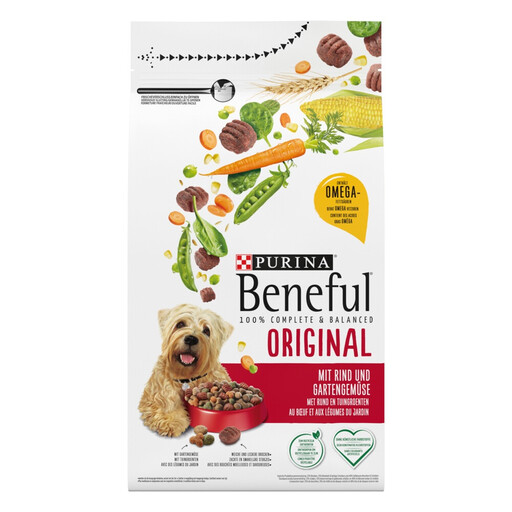
Why it suits this profile: A manageable 1.4 kg bag for anyone wanting to try dog biscuits for an adult dog without immediately buying a large pack.
The product information describes it as complete and balanced food for adult dogs of all weights. However, check the portion guide and your dog’s body condition.
According to the product specification, it contains 15% protein, 8% fat and 12% moisture. The recipe contains wholegrains and no added artificial colourings.
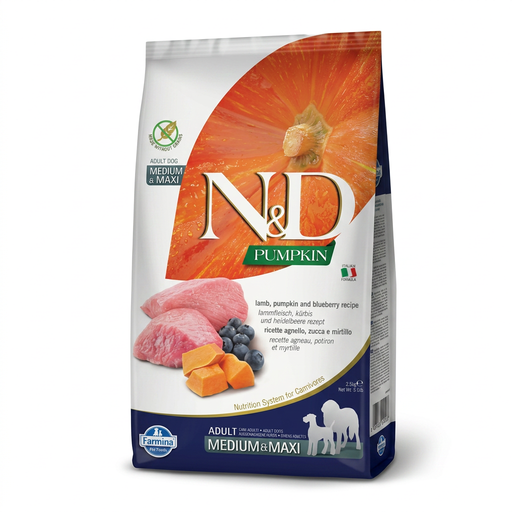
Why it suits this profile: Designed for anyone comparing a grain-free complete food with a specified ingredients list and a medium-sized pack.
The product page clearly states that this is complete food. Here, the grain-free claim is backed up by a specific ingredients list, including lamb and pumpkin.
Lists 28% crude protein, 18% crude fat, 5% dried pumpkin, and glucosamine and chondroitin sulphate as added ingredients.
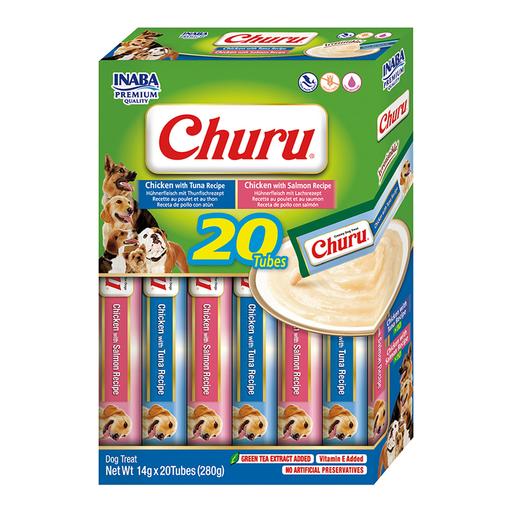
Why it suits this profile: Handy for dog training treats, mixing with regular food or giving your dog a small reward while out and about.
Its status as complementary food is clearly stated. This makes it clear that these tubes are not intended as a complete meal.
Multipack containing 20 x 12 g tubes, with two chicken and seafood flavours and, according to the product specification, at least 90% moisture.
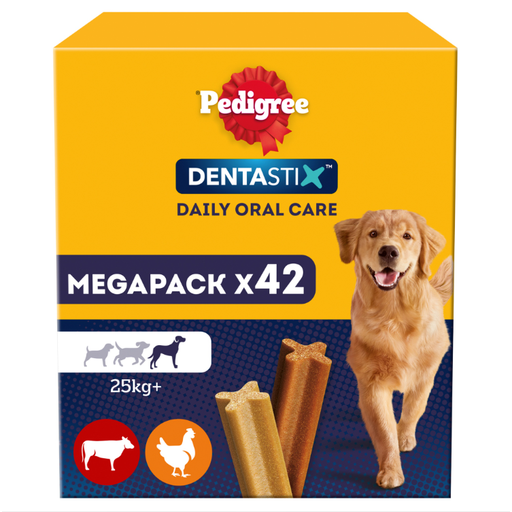
Why it suits this profile: A bulk pack for large dogs weighing 25 kg or more, for owners who regularly give their dog a dental stick.
The size and target group are clearly stated. According to Pedigree’s own research, the product may help reduce plaque; this is a brand claim and not a substitute for professional dental care.
42 sticks with a total weight of 1.62 kg, intended for large dogs. The packaging states that it contains no added sugar and no artificial colours or flavourings.
We’ve put together a complete, up-to-date list of products that fully meet these strict selection criteria and the applicable European safety regulations.
Ideally, keep treats below 10% of your dog’s daily calorie intake. The right amount depends on weight, age, activity level and body condition. If you give lots of training treats, reduce the amount of main food. Also check the specific feeding guidelines on the packaging.
Dog biscuits are generally easy to portion and last longer once opened. Wet food contains more moisture, but an opened pack must be refrigerated and often used more quickly. Compare the price per kilogram as well as the recommended daily portion. A smaller portion does not automatically mean a lower daily cost.
They can form part of your dog’s daily care routine, but they do not replace a dental check-up. Choose a size that suits your dog, supervise them while they chew and replace the product if it becomes damaged. If your dog has pain, bleeding gums or persistent build-up, seek advice from a vet.
